News

Soft Shotgun Cases: Length, Padding, Profile and the Gun Slip Question

2026-10-28 0 Leave me a message
A soft shotgun case looks like the simplest product in a hunting range: a tapered fabric tube with some foam, a zipper and a strap. Most of the complaints about them come from one number that was not checked before ordering, and that number is length. A shotgun's barrel length is printed on the box. Its overall length is not. The two differ by eighteen to twenty-two inches, depending on the action.


This guide covers how to size a soft shotgun case for the gun it actually has to carry, how much padding different hunts need, how over-unders, pumps and semi-autos differ in profile, and what the British word "slip" means on a product page. It ends with what a brand or distributor should specify when developing its own soft shotgun case.

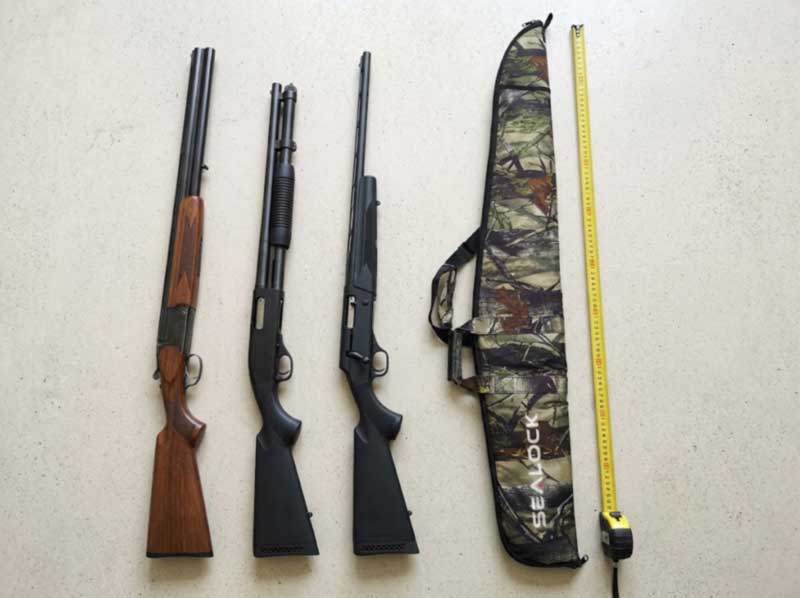
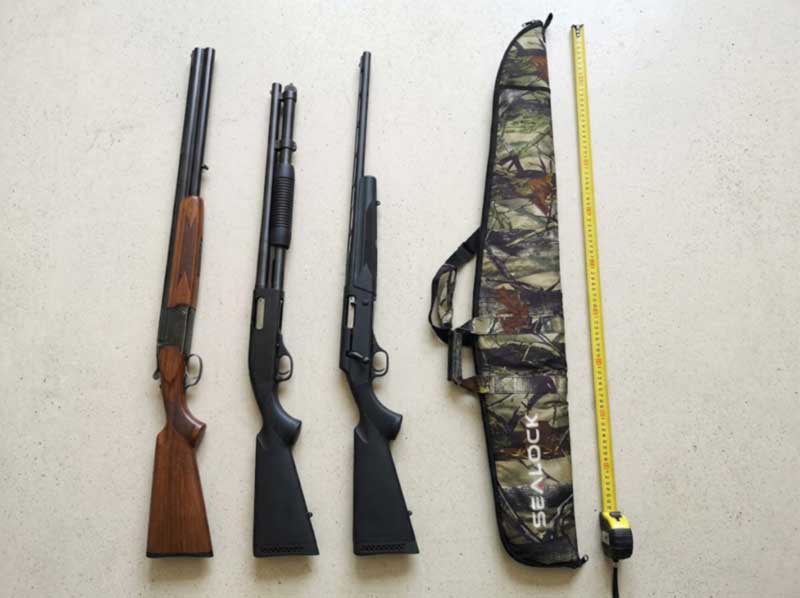
Three shotguns laid beside one padded soft shotgun case: an over-under, a pump and a semi-automatic, with a tape measure along the case
Three actions, one case. With the same barrel length, these guns can differ by more than three inches overall.

Barrel Length Is Not Gun Length

Shotguns are sold by barrel length: 26, 28, 30 or 32 inches. Cases are sold by external length: 48, 50, 52 or 54 inches. The relationship between the two depends on the action, and buyers who assume a fixed difference are the ones returning cases.

Published specifications show the spread. A Browning Citori 725 Sporting over-under in 12 gauge is 46 inches overall with 28-inch barrels, 48 inches with 30-inch barrels and 50 inches with 32-inch barrels. A break-action adds about 18 inches to the barrel length, because the action is short and there is no magazine tube. A Remington 870 Wingmaster pump with a 28-inch barrel is 48.5 inches overall, about 20.5 inches more than the barrel. A Benelli Super Black Eagle 3 semi-auto with a 28-inch barrel is 49.6 inches overall, about 21.6 inches more, because the receiver of an inertia-driven or gas-operated gun is longer.

Shotgun (12 gauge) Barrel Overall length Added by the action and stock
Over-under (Browning Citori 725 Sporting) 28 in 46 in 18 in
Over-under (Browning Citori 725 Sporting) 30 in 48 in 18 in
Over-under (Browning Citori 725 Sporting) 32 in 50 in 18 in
Pump (Remington 870 Wingmaster) 28 in 48.5 in 20.5 in
Semi-auto (Benelli Super Black Eagle 3) 28 in 49.6 in 21.6 in

Two more things add length that the published figure leaves out. Extended choke tubes, which most waterfowlers use, add between a half and one and a half inches at the muzzle. A thicker aftermarket recoil pad adds length at the butt. A gun measured on a spec sheet at 49.6 inches can easily be 51 inches as it is actually carried into a marsh.

How to Size a Soft Shotgun Case

The rule is to measure the gun as it is used, then allow for the case losing length inside.

Measure from the back of the recoil pad to the end of the choke tube, with the chokes you hunt with fitted. Then compare that with the case's internal length, not its external length. A soft case loses one to two inches of usable length to the padding at each end and to the way the end panels are shaped. A 48-inch case therefore takes a gun of about 46 to 47 inches. Pushing a longer gun in compresses the end padding and loads the zipper at the muzzle. That is where zippers split, and where the end seam wears through first.

For a range of guns, there are three sensible lengths:

About 48 inches external takes over-unders and side-by-sides with barrels up to 28 inches, and most pumps and semi-autos with 24- and 26-inch barrels. This is the upland and clay-field length.

About 52 inches external takes over-unders with 30- and 32-inch barrels, and pumps and semi-autos with 28-inch barrels and standard chokes. This is the length most waterfowl hunters actually need.

About 54 inches external takes semi-autos with 28-inch barrels and extended chokes, and guns with 30-inch barrels on longer actions.

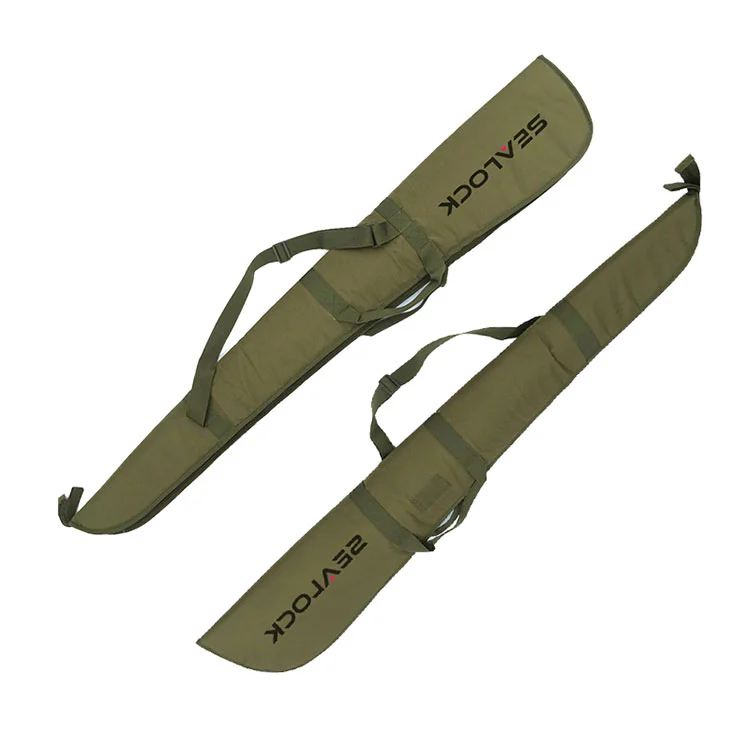
Sealock's SL-E899 padded shotgun case is 122 cm (48 inches) by 26 cm in its standard pattern. It is sized for over-unders up to 28-inch barrels and the shorter pumps and semi-autos. The body's internal length is matched to a reference gun for each programme, so a brand selling into waterfowl markets specifies the longer body rather than asking customers to force a 49-inch gun into a 48-inch case. For guns up to roughly 50 to 51 inches overall, the SL-P1076 runs 134 cm (52.8 inches) external, with an estimated internal length of 128 to 130 cm. It takes rifles and shotguns.

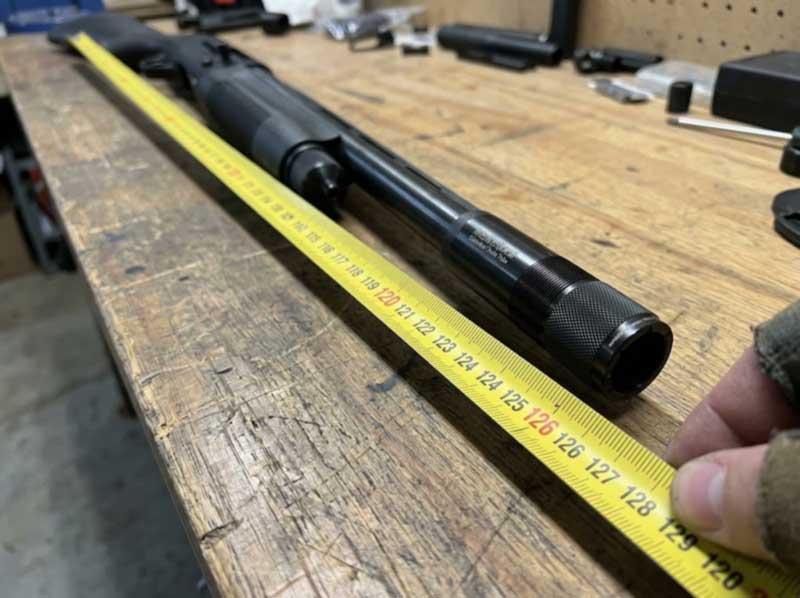
Measuring a semi-automatic shotgun from the recoil pad to the end of an extended choke tube with a steel tape
Measure from the recoil pad to the tip of the choke tube you actually hunt with, not from the spec sheet.

Profile: Over-Under, Pump and Semi-Auto

Length is the first question. Shape is the second, and it matters more than most buyers expect.

An over-under has a deep, slab-sided receiver and twin barrels stacked vertically, with no magazine tube under the barrel. It wants a case that is tall at the action and slim through the barrel section, and it is the gun most likely to be carried broken open at a shoot. Side-by-sides are similar, but wider and shallower at the barrels.

A pump or semi-auto has a magazine tube under the barrel, a fore-end that runs well forward, and a bolt handle or charging handle sticking out of the receiver. That handle is a pressure point. In a tight case, it rubs the same spot on the lining and padding every time the gun goes in, and eventually wears through.

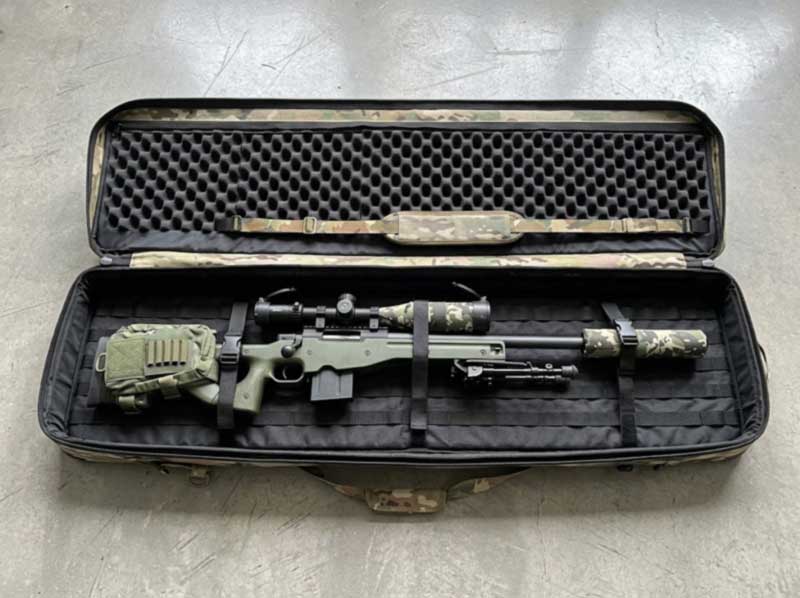
A tapered case, wide at the stock and narrowing towards the muzzle, follows all of these shapes well enough, which is why most soft shotgun cases are tapered. The SL-E899 uses a tapered cut, about 26 cm at the stock end and narrowing towards the barrel. Scoped slug guns and turkey guns with red-dot sights are the exception. They need a straight-cut body with extra height at the receiver for the optic, the same way a scoped rifle does.

Takedown Cases

Break-action guns can also travel taken down, with barrels and stock separated. A takedown case is roughly 32 to 34 inches long, with separate padded compartments so the barrels and action never touch each other. It is the standard choice for clay shooters and for travel with an over-under. It suits pumps and semi-autos less well, because the time spent reassembling them in the field makes it impractical.

Padding: How Much Does a Shotgun Case Need?

Foam in a soft case does two jobs. It spreads an impact, such as a tailgate drop or the gun falling against a truck door, so the force reaches the gun over a wider area. It also keeps the gun from shifting and wearing against the shell. Thicker foam protects better, but it adds weight and bulk, makes the case harder to fold, and holds more heat and moisture against the gun.

Around 10 mm suits walking hunts and short drives: upland birds, dove fields, and guns that spend the day in the hand rather than in the case. It weighs least and folds into a pack or vest.

Around 15 mm is the general-purpose standard for truck transport and waterfowl hunting, where the case rides in a boat or ATV and gets thrown onto a blind floor.

Around 40 mm, usually as a removable gun pad, is for expensive guns, long road trips, and hunters who want something close to hard-case protection at soft-case weight.

Sealock builds the SL-E899 at 10–15 mm of foam between a 600D polyester Oxford shell and a soft polyester lining. At about 0.85 kg, it is roughly one-fifth the weight of a typical hard shotgun case. The SL-P1076 carries a removable 40 mm multi-layer pad inside a quilted lining, and weighs 1.5 kg. The foam type matters as much as the thickness, and is covered separately: closed-cell foams shed water, while open-cell foams hold it.

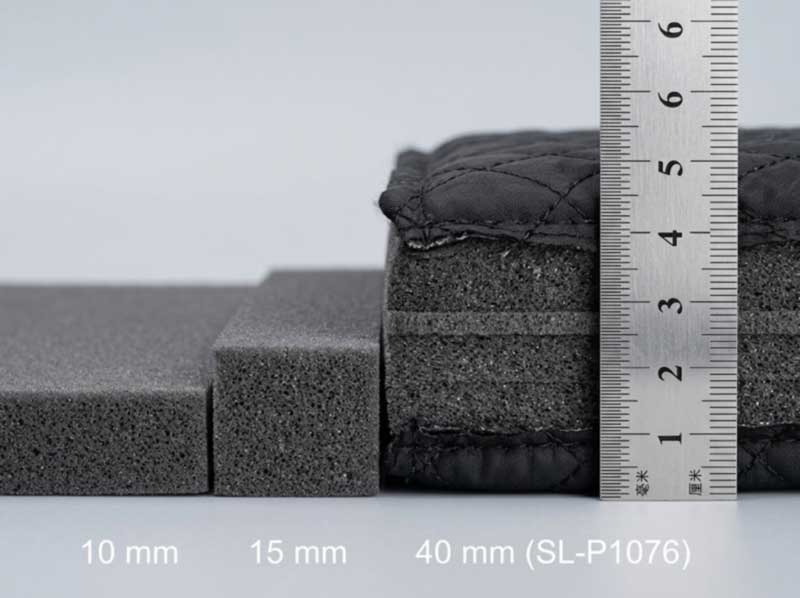
Cross-sections of three shotgun case padding thicknesses side by side: 10 mm, 15 mm and a 40 mm removable gun pad, with a ruler
Three padding levels for three kinds of use. The thickest is not always the right choice.

Upland and Waterfowl: One Pattern, Two Builds

Upland hunters and waterfowl hunters both use soft shotgun cases, but they ask different things of them. An upland hunter walks for hours and wants the lightest case that will protect the gun in the truck. A waterfowler sits in mud, works with cold hands, and carries chokes and calls.

Sealock runs the SL-E899 on one pattern and one set of tooling, in two configurations sold as the upland and waterfowl builds.

Element Upland build Waterfowl build
Weight About 0.68 kg About 0.85 kg
Padding 10 mm 15 mm
Accessory pocket Removed Retained, for chokes and licence
Zip pull Standard Enlarged for gloved hands
Lining Standard polyester Moisture-releasing polyester
Colours Sand or army green Marsh or timber camouflage
Shell and strap 600D Oxford; 50 mm padded strap on both

Because both builds share a pattern, a distributor covering both markets carries two configurations rather than two products, and the sampling and development cost is paid once.

What a Soft Shotgun Case Will Not Do

A stitched soft shotgun case is water-resistant, not waterproof. The coated Oxford shell sheds rain, dew, mud and a wet retriever. It will not keep water out if it lies in a flooded pit blind, sits in the bottom of a boat, or goes over the side, because the stitched seams and coil zipper let water through under pressure.

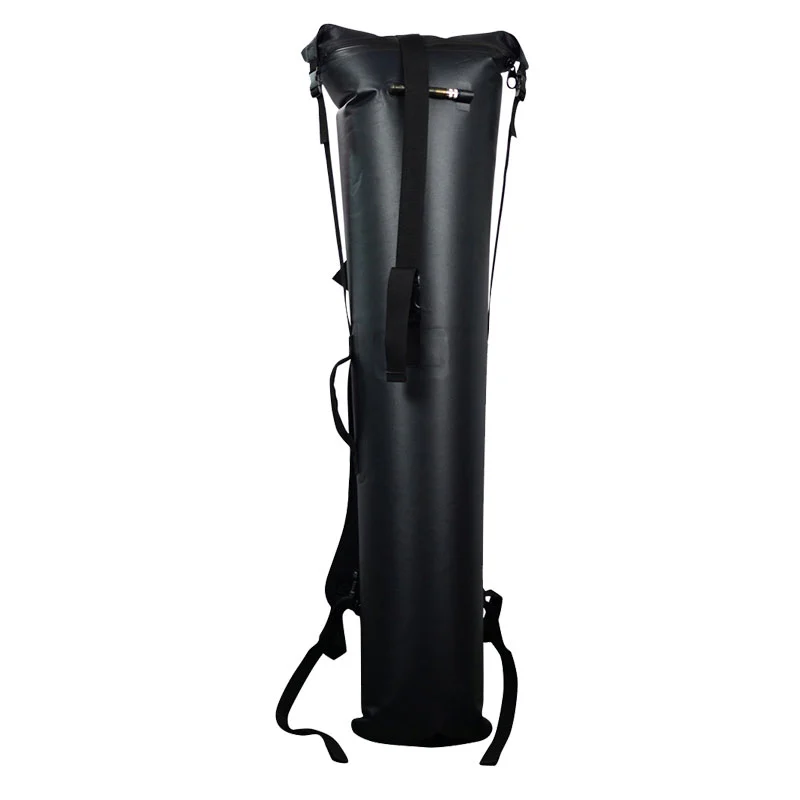
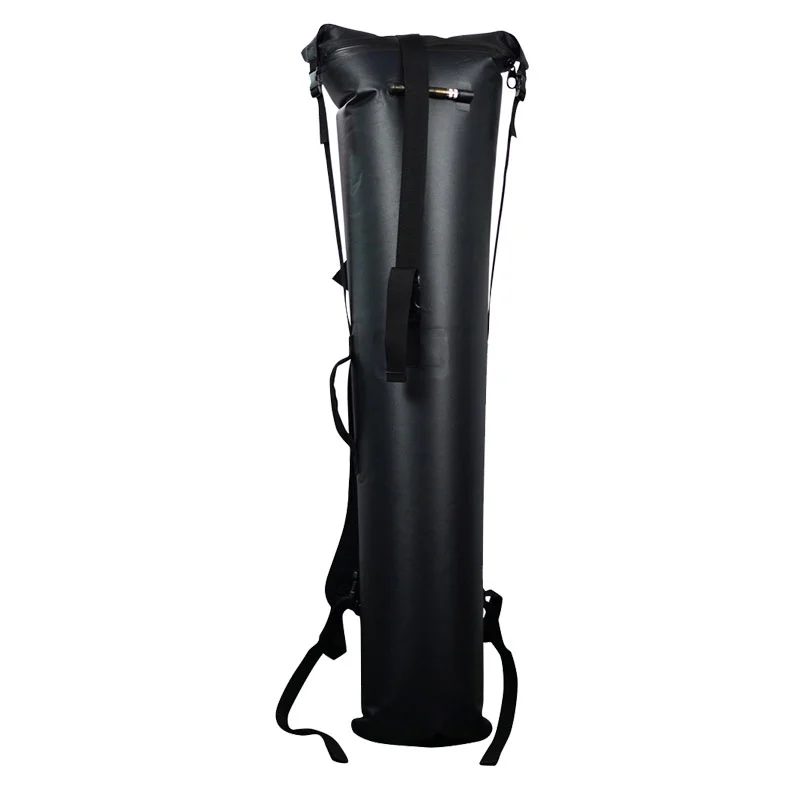
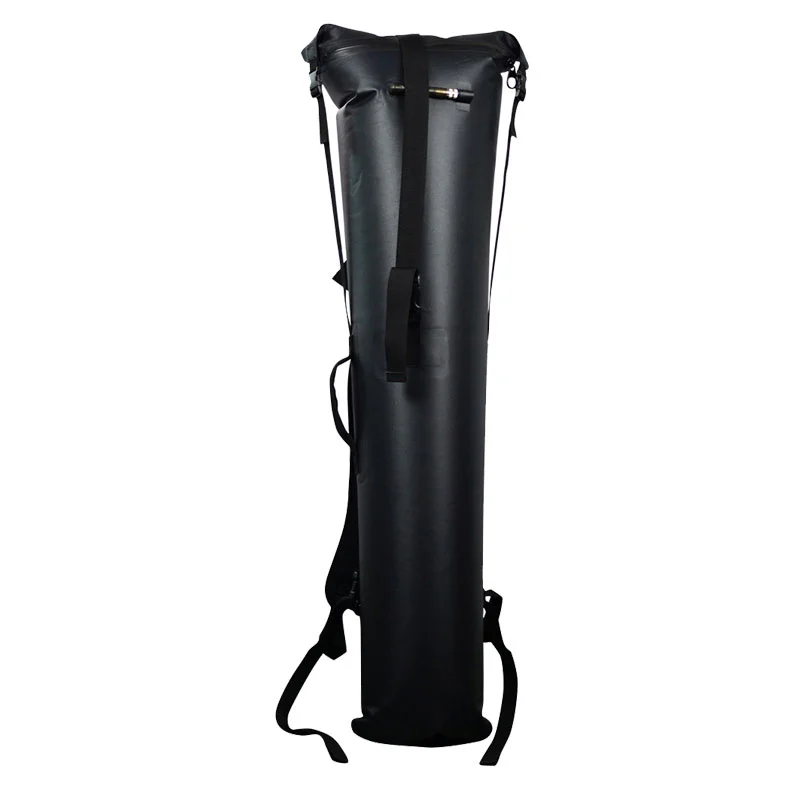
For hunters standing in flooded timber, hunting from open boats, or facing any real chance of the case going in the water, the right product is a welded waterproof case, such as the SL-E603 marsh case or the SL-P857 roll-top. Both are one-piece welded 840D TPU and rated IPX7. Selling a stitched case into that use is where most weather complaints come from. How water gets into a case, and how welded construction keeps it out, is explained in Waterproof Gun Cases: What Actually Keeps Water Out.

A soft case is also not a storage container. A shotgun that comes home damp and stays zipped into its case in a warm house or truck can show surface rust within days, wherever the lining touches the metal. Wipe the gun and let the case air out after a wet hunt, and store the gun out of the case between seasons.

A soft case also cannot be used to fly. US airlines require firearms to travel unloaded in a locked, hard-sided container as checked baggage. The soft case can go inside the hard case and come out at the other end for the hunt itself.The full comparison is in Soft vs Hard Gun Cases.

The Gun Slip Question

On British and European product pages, and on some of ours, a soft shotgun case is called a "gun slip" or "shotgun slip". In the UK, the slip is the traditional shoulder-carried sleeve used at driven shoots, often in leather or canvas with a fleece lining and a full-length zip or a flap closure. American hunters rarely use the word. In US search data, "gun slip" and "shotgun slip" together draw well under a hundred searches a month, against thousands for "soft shotgun case" and "shotgun case". It is the same product under two names.

One functional difference follows the name. A traditional fleece lining is soft on blued steel and on oil finishes, but it holds water, and a fleece-lined slip put away wet is a reliable way to rust a gun. Synthetic linings that release moisture are the better choice for waterfowl and wet-weather use.

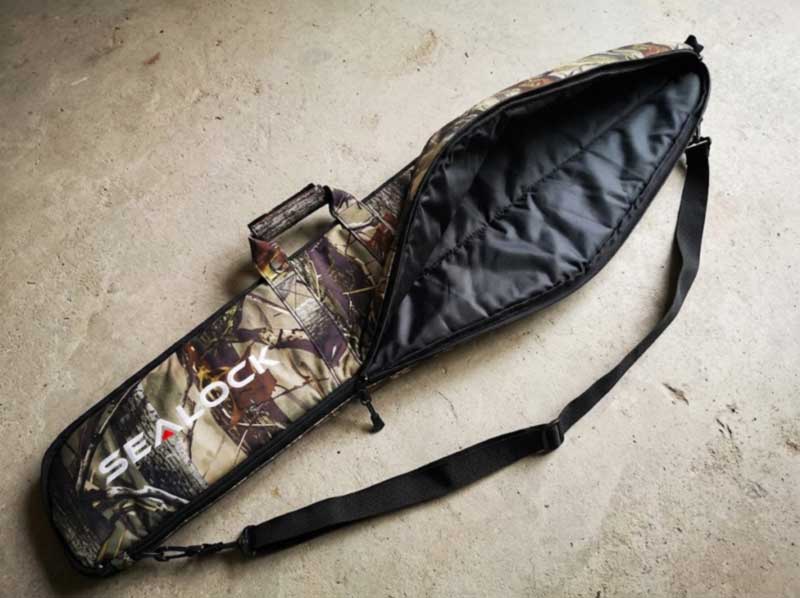
SL-E899 waterfowl build in marsh camouflage opened to show lining, enlarged zip pull and front choke pocket
The waterfowl build: 15 mm of padding, a retained choke pocket, an enlarged pull for gloved hands and a moisture-releasing lining.

What to Look for When Buying a Soft Shotgun Case

Five checks catch most problems before purchase.

Internal length against the measured gun. Use the length with chokes fitted, and leave one to two inches spare.

Where the zipper ends. A zipper that stops short of the muzzle, or ends behind a reinforced cap, takes no load from the barrel and lasts much longer.

Reinforcement at the wear points. The stock end, the muzzle end and the handle area take most of the abrasion. Look for doubled fabric or bound edges there.

Strap anchors. A strap carrying a seven-pound gun all day needs anchors that are bar-tacked or boxed-stitched into the shell, not single-row stitched.

Lining material. Fleece for dry upland use only. A synthetic, moisture-releasing lining for anything wet.

Specifying a Soft Shotgun Case for Your Brand

Brand projects start from a reference gun. Send the firearms the case must take, with overall length measured with chokes fitted, the action types in the range, and whether the case has to take an optic. Internal length, taper profile and the height at the action follow from that list. Then choose the build: padding thickness, pocket or no pocket, pull size, lining, and colour or camouflage.

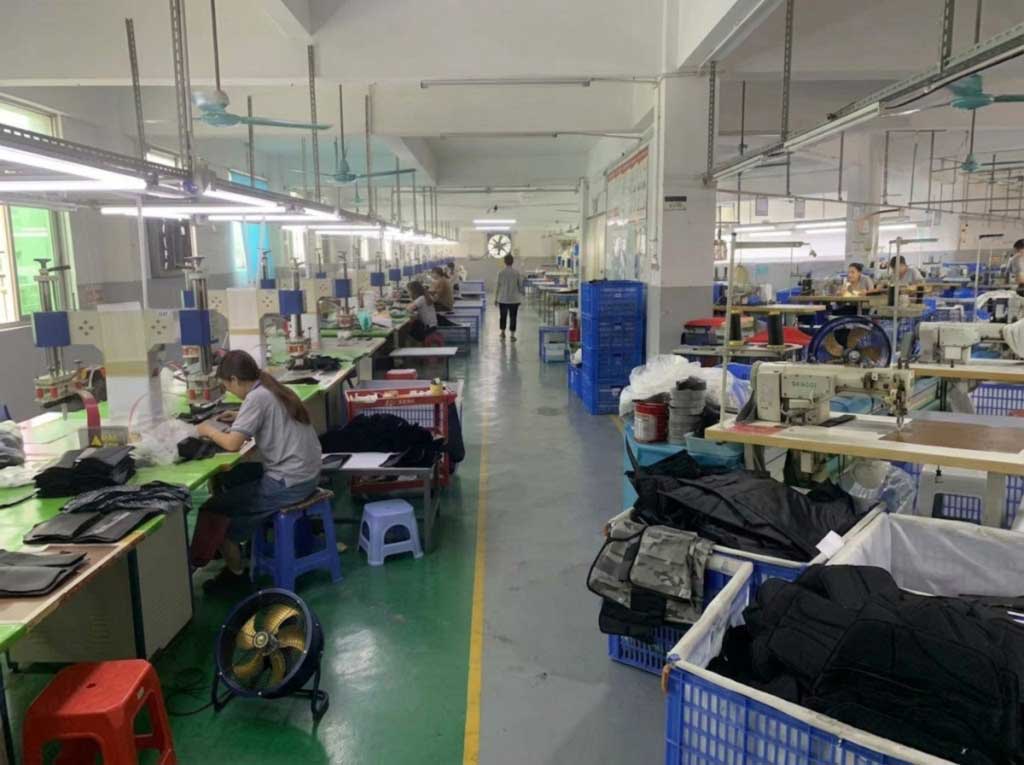
Sealock's SL-E899 programme supports a 10 mm upland build or a 15 mm waterfowl build, pocket deleted or retained, an enlarged pull for cold-weather markets, marsh, timber or customer-matched camouflage, solid sand, army green or black, and internal length matched to the reference gun. Logos can be screen-printed, heat-transferred or embroidered. Minimum orders are 300 pieces per model, samples take 7–10 days and production takes 30–45 days, with EXW, FOB and CIF terms available. The same case can be produced in Dongguan or Ho Chi Minh City, depending on tariff exposure, and stitched and welded models run in the same plants under the same quality team. Strap anchors and zippers go through load testing to more than 1,500 cycles and zipper fatigue testing to 3,000 cycles before a programme is approved.

For an overview of where soft shotgun cases sit among padded, waterproof and tactical cases, blind bags and other hunting bags, see Hunting Bags Explained.

Frequently Asked Questions

What size soft case do I need for a shotgun with a 28-inch barrel?

It depends on the action. A 28-inch over-under is about 46 inches overall and fits a 48-inch case. A 28-inch pump is around 48.5 inches and needs about 52 inches. A 28-inch semi-auto can be close to 50 inches, more with extended chokes, and is safest in a 52- to 54-inch case. Measure the gun with its chokes fitted.

Why does the zipper on my shotgun case keep breaking at the barrel end?

Usually because the case is slightly too short, or the zipper runs all the way to the muzzle, so the barrel presses on the zipper chain every time the gun goes in. A longer case, or one whose zipper stops short of the muzzle, fixes it.

Can I use the same soft case for an over-under and a semi-auto?

If the case is long enough for the semi-auto, yes. The over-under will move about a little more inside, which a strap or snug padding at the action controls. A case sized only for the over-under will not take the semi-auto.

Is a padded shotgun case waterproof?

No. A stitched padded case is water-resistant. It sheds rain and splashes, but it will let water in if it sits in water. For marsh and boat use, choose a welded waterproof case rated IPX7.

Is a gun slip different from a soft shotgun case?

Only in name. "Slip" is the British term, and "soft case" is the American one. Traditional slips often have fleece linings, which are fine for dry use but hold moisture.

What is the MOQ for a custom soft shotgun case, and can we use our own camouflage and logo?

Minimum orders are 300 pieces per model, with samples in 7–10 days. Customer camouflage patterns and logos are both supported, and colours and logos can vary within one order. Pricing depends mainly on length, padding, lining and order quantity, so send your reference guns for a quote.

Start a Soft Shotgun Case Project

Browse the soft gun cases range or the padded gun case, or send your reference guns, target market and colour requirements to info@sealock.com.hk or through the contact page. We will come back with a length and build recommendation, material options and a sample plan.

Related News
Leave me a message
X
We use cookies to offer you a better browsing experience, analyze site traffic and personalize content. By using this site, you agree to our use of cookies. Privacy Policy
RejectAccept