News

Why Is a Water-Resistant Padded Rifle Case Essential for Reliable Outdoor Protection

2026-10-27 0 Leave me a message

Article Summary: A water-resistant padded rifle case helps protect valuable equipment from light rain, moisture, surface scratches, and everyday handling impacts during outdoor transportation. For hunters, outdoor equipment brands, and professional distributors, choosing the right combination of durable fabric, protective padding, dependable closures, and reinforced carrying points is essential. Sealock develops hunting and outdoor carrying solutions designed around practical field requirements, with options for product customization and OEM manufacturing. This guide explains the main features, material considerations, selection criteria, and maintenance practices that buyers should evaluate before choosing a water-resistant padded rifle case.

Water-Resistant Padded Rifle Case

Table of Contents


What Is a Water-Resistant Padded Rifle Case?

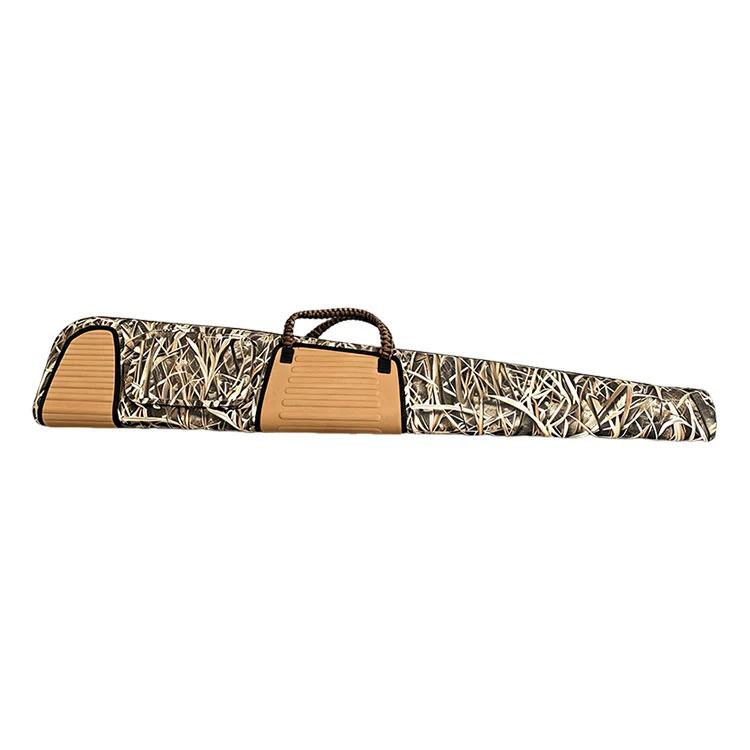
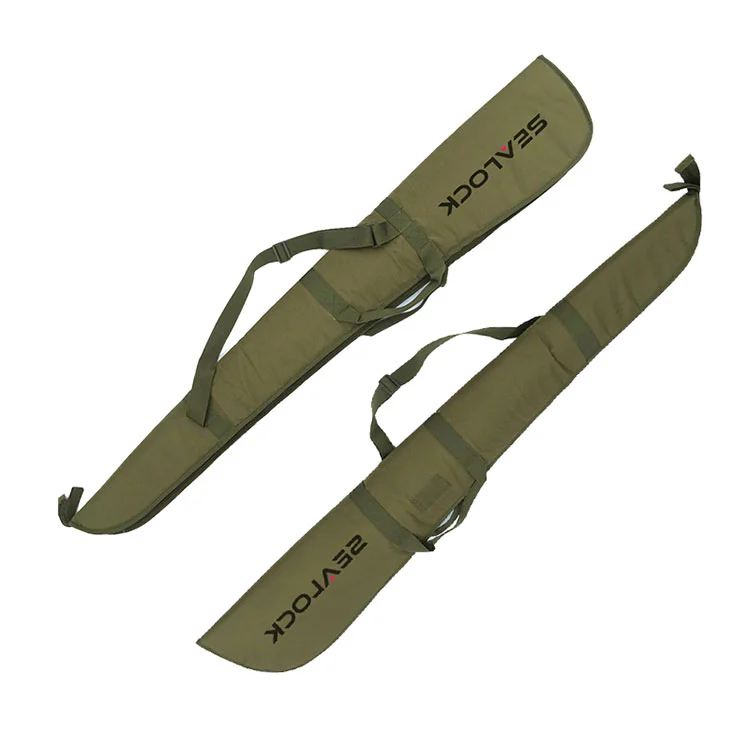
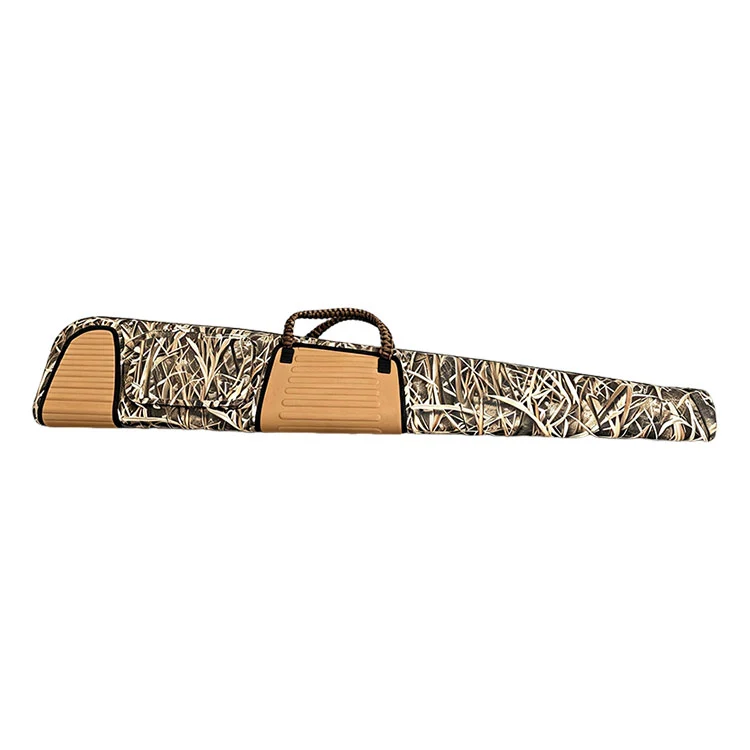
A water-resistant padded rifle case is a soft-sided carrying solution designed to reduce moisture exposure while cushioning equipment against scratches, vibration, and minor impacts. It combines a protective outer shell with an internal padding layer and a lining that helps prevent abrasion during transportation and handling.

Unlike a conventional fabric bag, this type of case considers both environmental exposure and physical protection. Its performance depends on the fabric coating, seam construction, closure system, padding structure, and overall design.

For buyers evaluating Sealock's water-resistant padded rifle case, several practical product characteristics deserve attention:

  • Water-resistant outer fabric: Helps repel rain, splashes, and incidental moisture.
  • Protective padding: Cushions the contents against minor knocks and surface contact.
  • Soft interior lining: Helps reduce rubbing and scratching during movement.
  • Reliable closure: Keeps the case securely closed during normal carrying and storage.
  • Reinforced carrying components: Support convenient handling when the case is loaded within its intended limits.

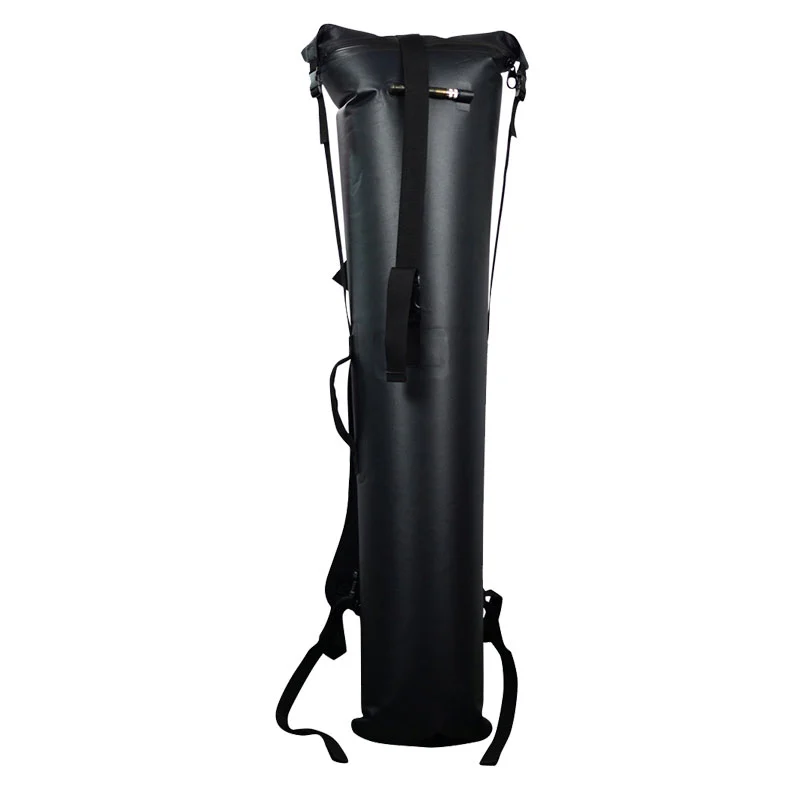
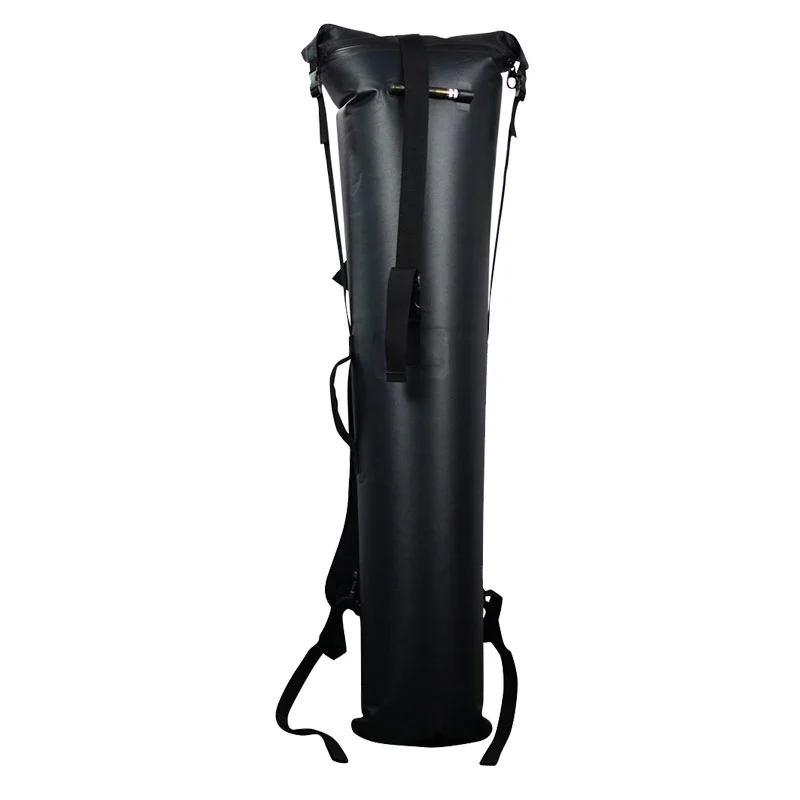
It is important to distinguish water resistance from waterproof performance. A water-resistant case may withstand ordinary outdoor moisture but is not automatically suitable for immersion or prolonged exposure to heavy rain. Buyers should verify the tested performance of the complete product rather than relying on fabric descriptions alone.


Why Does Water Resistance Matter Outdoors?

Outdoor conditions can change quickly. Morning dew, unexpected showers, damp vehicle interiors, muddy ground, and humid storage environments may expose equipment to unwanted moisture. A water-resistant padded rifle case provides an additional protective barrier against these everyday conditions.

Reducing Moisture Exposure

A suitable coated fabric can help prevent water from immediately penetrating the outer surface. When combined with appropriately designed seams and closures, it can reduce the likelihood of moisture reaching the interior during routine outdoor use.

Protecting Against Minor Impacts

Padding adds a cushioning layer between the equipment and the external environment. It can reduce the effects of ordinary handling, contact with other luggage, and small bumps encountered during transportation. Padding thickness and density should be selected according to the product's intended application.

Supporting More Convenient Transportation

A soft-sided case can offer a practical balance between protection, portability, and storage efficiency. Compared with many rigid alternatives, it may be easier to carry and store when space is limited. Reinforced handles and an adjustable shoulder strap can further improve carrying comfort.

However, no soft case should be treated as a substitute for secure storage, responsible handling, or compliance with applicable firearm transportation laws.


Which Materials and Padding Features Matter Most?

Material selection directly affects durability, weight, water resistance, comfort, and manufacturing cost. For an effective water-resistant padded rifle case, buyers should assess the complete material system instead of focusing on a single fabric specification.

Outer Fabric and Surface Treatment

Polyester Oxford fabric is commonly used in soft outdoor equipment because it offers a practical combination of abrasion resistance, flexibility, and manageable weight. A suitable water-resistant coating can improve its ability to repel surface moisture.

For applications requiring a higher level of water protection, coated fabrics, laminated materials, and welded construction may also be considered. The appropriate choice depends on the intended exposure, expected service life, budget, and maintenance requirements.

Padding and Interior Lining

Foam padding helps absorb minor impacts, while a soft polyester lining can reduce direct friction against the carried equipment. Thicker padding does not automatically guarantee better overall performance. Foam density, resilience, placement, and construction quality all influence the finished product.

Closures, Seams, and Reinforcement

Zippers, stitching, reinforcement patches, and webbing are important because they experience repeated handling and concentrated loads. A water-resistant outer fabric cannot compensate for a poorly protected closure or weak attachment point.

Component Main Function What Buyers Should Check
Outer fabric Resists abrasion and surface moisture Fabric weight, coating, and durability
Foam padding Cushions minor impacts Thickness, density, and recovery
Inner lining Reduces friction and scratching Texture, consistency, and wear resistance
Zipper and closure Keeps the case closed Operating smoothness and construction
Handles and webbing Supports carrying and handling Attachment strength and reinforcement
Seams and edge binding Connects and finishes components Stitch consistency and seam protection

Material specifications should be confirmed against the actual product configuration. Not every water-resistant padded case uses the same fabric, foam thickness, or closure technology.


How Do Different Rifle Case Designs Compare?

Different case constructions serve different priorities. Some focus on cushioning and easy carrying, while others emphasize stronger moisture barriers or more comprehensive environmental protection.

Case Type Primary Advantage Typical Consideration Best-Suited Requirement
Standard padded rifle case Cushioning and scratch protection Moisture resistance varies Routine transportation
Water-resistant padded rifle case Combines cushioning with moisture resistance Performance depends on seams and closures General outdoor use
Waterproof rifle case Designed for more demanding water protection Requires verification of complete-case sealing Wet environments, according to its tested rating
Rigid protective case Structural protection against external pressure Can be heavier and less flexible Applications requiring a rigid enclosure

The key distinction is the intended protection level. A padded case prioritizes cushioning, a water-resistant case adds protection against moisture, and a waterproof design may incorporate specialized closures or sealed construction. These characteristics are not interchangeable.

Buyers comparing product options should review the manufacturer's stated water-resistance performance, padding specifications, dimensions, and test conditions before making a decision.


How Can Buyers Choose the Right Rifle Case?

Selecting a suitable water-resistant padded rifle case requires a clear understanding of the intended use, product dimensions, transportation conditions, and required protection level.

1. Confirm the Required Dimensions

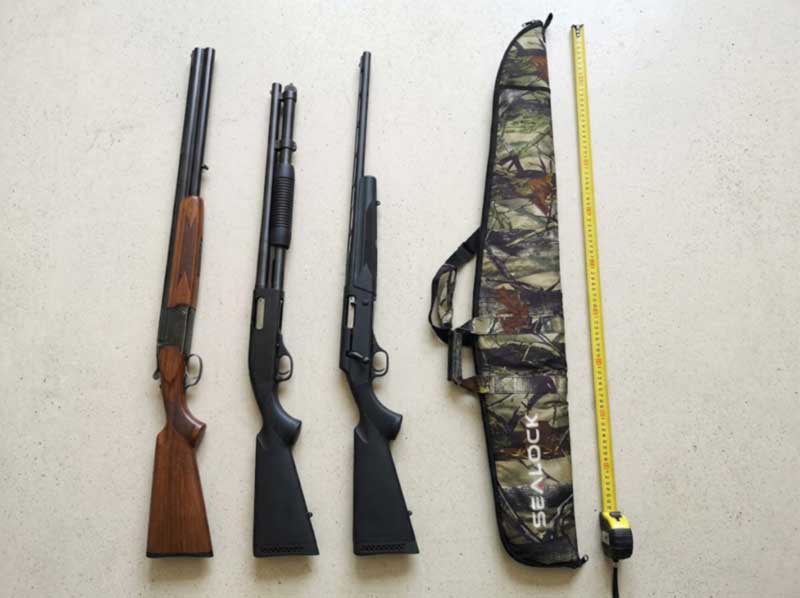
Check the intended equipment's overall dimensions and the internal dimensions of the case. Allow sufficient clearance for the actual configuration, including any protruding components that must be accommodated. Do not assume that two cases with the same external length provide identical internal space.

2. Define the Expected Moisture Exposure

Consider whether the case will encounter occasional drizzle, frequent splashes, damp ground, or more demanding wet conditions. Specify the required performance clearly and request test information when a defined water-resistance level is important.

3. Evaluate Padding Requirements

Choose padding based on the expected handling conditions rather than thickness alone. Consider the foam's resilience, coverage, and ability to retain its shape after repeated use.

4. Check Carrying Comfort and Hardware

Handles, shoulder straps, zipper pulls, and reinforcement points affect day-to-day usability. For products expected to be carried frequently, examine strap adjustability, stitching consistency, and how the loaded case distributes weight.

5. Consider Customization and Total Cost

For distributors and private-label brands, customization may include color, fabric selection, logo placement, dimensions, lining, and packaging. Compare the complete specification, sample quality, minimum order quantity, and production lead time rather than choosing solely on unit price.

  • Confirm the intended product application and operating environment.
  • Request a detailed material and component specification.
  • Review a physical sample before approving bulk production.
  • Clarify inspection criteria and acceptable quality limits.
  • Verify packaging, labeling, and delivery requirements.

Where Can a Water-Resistant Padded Rifle Case Be Used?

A water-resistant padded rifle case can be suitable for several outdoor transportation scenarios when its specifications match the actual conditions.

  • Outdoor trips: Helps reduce exposure to light rain and incidental moisture while moving between locations.
  • Vehicle transportation: Provides a protective fabric barrier against routine contact with luggage and other stored items.
  • Hunting-related travel: Offers cushioning and practical carrying features for equipment transportation, subject to local laws and safe handling requirements.
  • Equipment storage: Helps reduce scratches and surface contact when stored in an appropriate dry environment.
  • Retail and private-label programs: Provides a configurable product category for outdoor equipment brands, distributors, and wholesalers.

For boating, prolonged heavy rain, or any situation involving possible submersion, a standard water-resistant case may not provide sufficient protection. Buyers should select a product with independently verified or clearly documented performance appropriate to the expected exposure.


How Should a Padded Rifle Case Be Maintained?

Routine maintenance helps preserve the fabric, padding, closures, and carrying components. Even a well-made case can deteriorate if it remains wet, is overloaded, or is stored improperly.

  1. Remove surface dirt: Follow the manufacturer's cleaning instructions and use a suitable cloth or soft brush.
  2. Dry the case thoroughly: After exposure to moisture, open the case in a well-ventilated area and allow the lining and padding to dry completely.
  3. Inspect the seams: Look for loose stitching, worn edge binding, damaged reinforcement patches, and fabric abrasion.
  4. Check the closure: Remove debris from the zipper area and inspect the closure for damage or irregular operation.
  5. Examine the padding: Check for compressed, torn, or uneven foam that may reduce cushioning performance.
  6. Store appropriately: Keep the case in a clean, dry location away from prolonged direct sunlight and excessive heat.

A water-resistant finish may lose effectiveness through abrasion, aging, or repeated use. Reapply treatments only when recommended by the material or product manufacturer, and never assume that maintenance restores a damaged seam or failed closure.


What Should Buyers Expect from a Reliable Manufacturer?

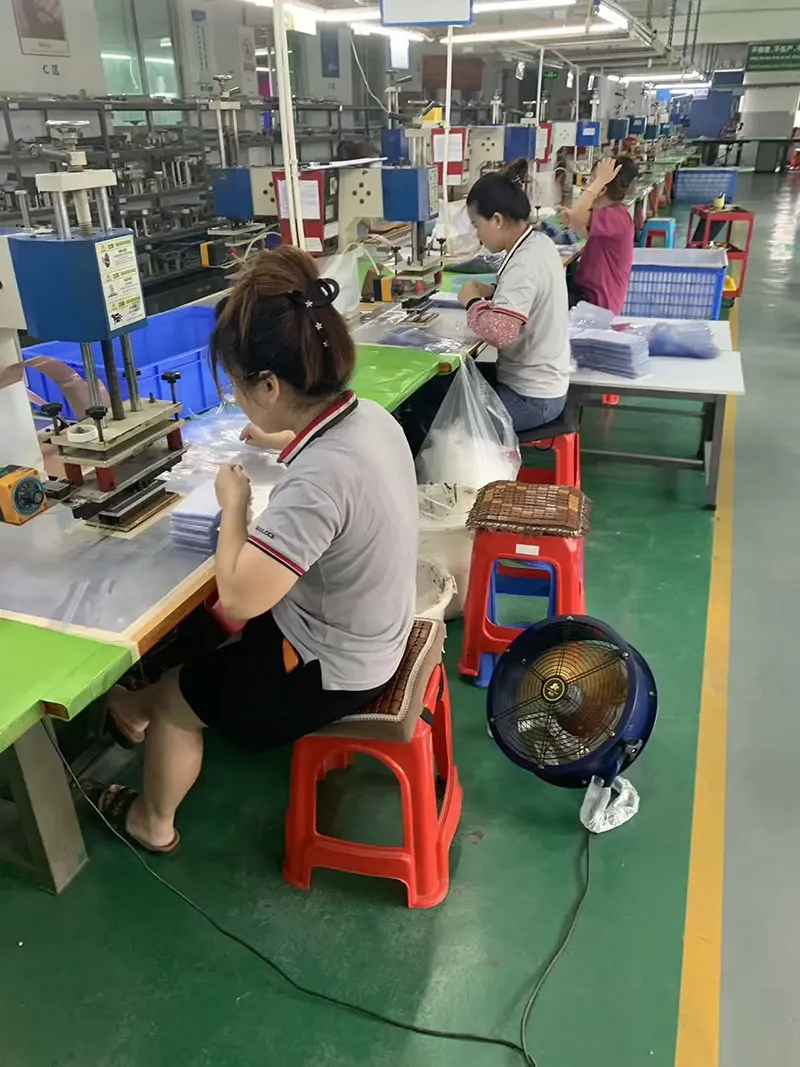
For businesses sourcing a water-resistant padded rifle case, supplier evaluation should cover more than appearance and initial pricing. Manufacturing consistency, material traceability, quality inspection, and customization capabilities all influence the finished product.

Sealock, the registered brand of YiFuLong Outdoor Gear Co., Ltd., focuses on hunting equipment, rifle carrying systems, waterproof bags, and outdoor gear manufacturing. Its product development capabilities support OEM and private-label projects for brands and distributors seeking tailored product specifications.

When evaluating a manufacturer, buyers should ask about the following areas:

  • Material control: How are fabric, foam, zippers, webbing, and other components checked before production?
  • Construction consistency: Are stitching, reinforcement, panel alignment, and finishing checked against approved specifications?
  • Product testing: Are moisture resistance, closure function, and carrying performance assessed using suitable methods?
  • Customization support: Can dimensions, colors, logos, lining, and packaging be adjusted to meet the project requirements?
  • Sample approval: Can the buyer evaluate and approve a representative sample before mass production?
  • Quality documentation: Are inspection records and relevant test reports available when required?

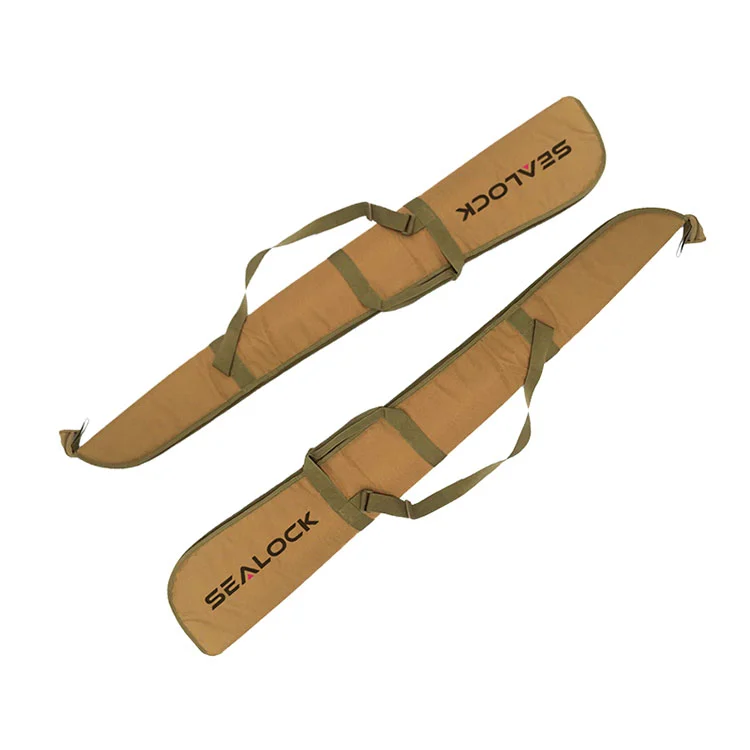
Sealock offers a range of hunting and outdoor carrying products, including padded cases and water-resistant designs. Buyers can review the water-resistant padded rifle case product page to discuss the available configuration and determine whether it meets their intended requirements.

For OEM and ODM projects, clearly documented specifications are particularly important. Confirm the materials, dimensions, closure type, water-resistance expectations, branding method, packaging, and inspection criteria before authorizing production.


Frequently Asked Questions

1. Is a water-resistant padded rifle case completely waterproof?

No. Water resistance generally means the case helps repel or limit moisture under specified conditions. It does not automatically mean the product can withstand prolonged heavy rain, immersion, or water pressure. Buyers should verify the complete case's tested performance.

2. Does thicker padding always provide better protection?

No. Padding performance also depends on foam density, resilience, coverage, and construction. The best configuration balances cushioning, portability, durability, and the intended application.

3. Which fabric is suitable for a water-resistant padded rifle case?

Coated polyester Oxford fabric is one option for soft-sided cases. Other coated or laminated materials may be appropriate for different requirements. The final selection should consider abrasion resistance, moisture exposure, weight, cost, and manufacturing compatibility.

4. Can Sealock customize a water-resistant padded rifle case?

Customization options depend on the selected model and project requirements. Buyers can discuss dimensions, fabric, padding, colors, logos, carrying components, and packaging with Sealock to establish a suitable specification.

5. What should wholesalers check before placing a bulk order?

Wholesalers should confirm sample quality, material specifications, dimensions, minimum order quantity, production lead time, quality-control procedures, packaging, and shipping terms. Any required water-resistance claims should be supported by appropriate product-level evidence.

6. How can a buyer verify a case's water-resistance performance?

Request the applicable test method, test conditions, results, and documentation for the actual product configuration. Check the fabric, seams, and closures together because a water-resistant fabric alone does not establish the performance of the complete case.

7. How should a padded rifle case be stored after getting wet?

Remove surface moisture, open the case, and let the fabric, lining, and padding dry completely in a ventilated area. Store it only after it is dry, following the manufacturer's care instructions.


Conclusion

A well-designed water-resistant padded rifle case combines moisture protection, cushioning, durable materials, dependable closures, and comfortable carrying features in one practical solution. Choosing the right model requires careful consideration of dimensions, expected weather exposure, padding construction, maintenance needs, and verified performance claims. For outdoor brands, wholesalers, and distributors, working with an experienced manufacturer can also make it easier to align product specifications with target-market requirements. Explore Sealock's water-resistant padded rifle case and discuss your material, design, and OEM requirements with the team. If you are planning a new product or sourcing project, contact us to discuss your requirements and identify a suitable solution for your business.

Related News
Leave me a message
X
We use cookies to offer you a better browsing experience, analyze site traffic and personalize content. By using this site, you agree to our use of cookies. Privacy Policy
RejectAccept