News

How Can a Water-Resistant Gun Case Protect Your Firearm in Changing Outdoor Conditions

2026-10-14 0 Leave me a message

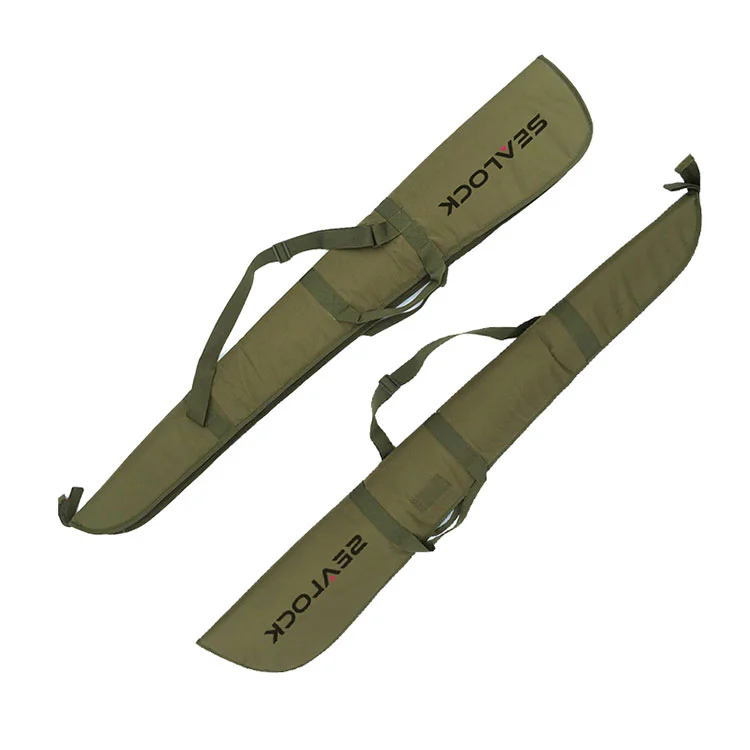
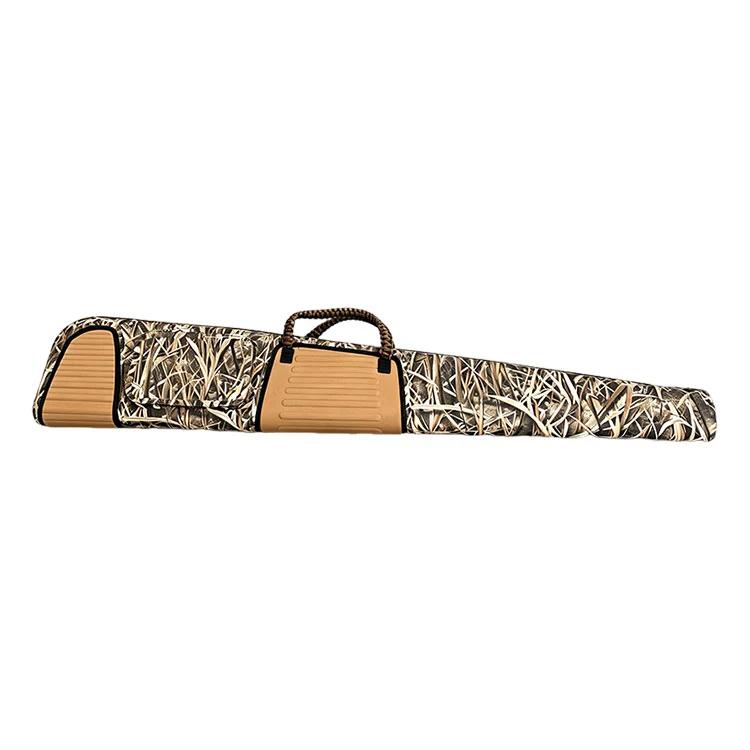
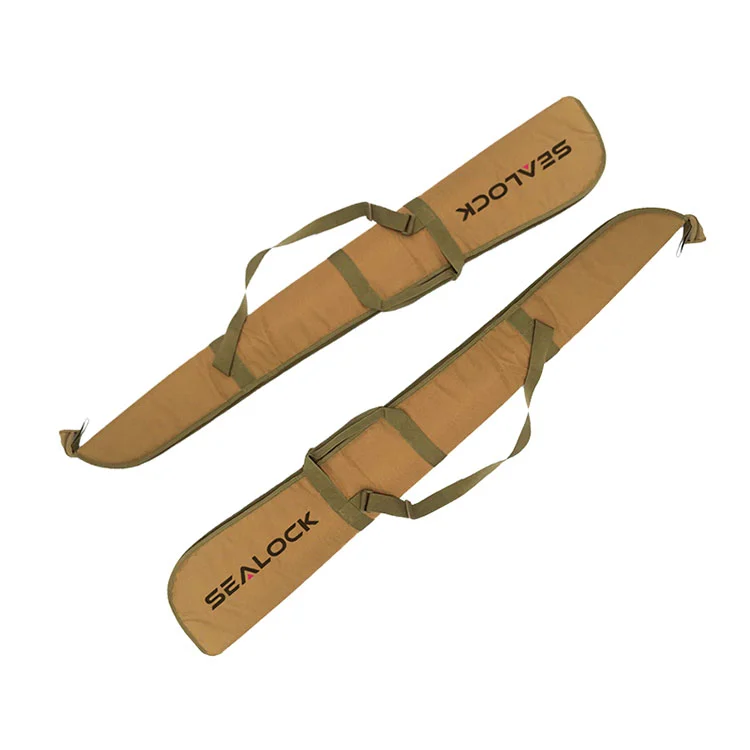
Sealock offers the Water-Resistant Gun Case SL-E899 for outdoor retailers, hunting brands, and equipment distributors seeking practical protection against everyday moisture, dust, and handling wear. Designed with coated 600D Oxford fabric, foam padding, and convenient carrying features, this soft case balances weather resistance, portability, and customization potential.

A water-resistant gun case helps protect a firearm from rain, water spray, morning dew, and dust during ordinary outdoor transportation. However, water resistance should not be confused with complete waterproofing. Material selection, seam construction, zipper design, interior padding, and maintenance all influence how a case performs in the field. This guide explains the essential features buyers should evaluate, compares water-resistant and waterproof designs, and outlines practical purchasing considerations for retailers and private-label brands. It also introduces the Sealock SL-E899, a lightweight soft gun case designed for everyday field and shooting-range use.

Water-Resistant Gun Case

Table of Contents

  1. What Is a Water-Resistant Gun Case?
  2. Which Features Matter Most?
  3. How Do Materials and Construction Affect Protection?
  4. What Are the Specifications of Sealock SL-E899?
  5. Water-Resistant vs. Waterproof: What Is the Difference?
  6. Where Can a Water-Resistant Gun Case Be Used?
  7. How Should Buyers Evaluate a Supplier?
  8. How Can You Maintain a Gun Case?
  9. Frequently Asked Questions
  10. Conclusion

What Is a Water-Resistant Gun Case?

A water-resistant gun case is designed to reduce water penetration during routine exposure to moisture. Depending on its materials and construction, it can help protect a firearm from light rain, splashes, dew, and damp outdoor conditions.

For hunters and outdoor equipment users, this protection is valuable when moving between vehicles, storage areas, and outdoor locations. Dust-resistant surfaces and padded interiors can also help reduce everyday contamination, scratches, and minor impacts during transport.

However, a water-resistant case is not automatically suitable for heavy, prolonged rainfall or submersion. Conventional stitched seams contain needle holes, and standard coil zippers are not watertight seals. Buyers who require protection against immersion should select a product specifically designed and tested for that purpose.

The key is to match the case to its intended environment rather than relying on a broad marketing claim.


Which Features Matter Most?

When selecting a gun case, buyers should consider the relationship between weather protection, interior cushioning, portability, and long-term usability.

1. Water-Resistant Outer Fabric

Coated polyester Oxford fabric is a practical choice for soft gun cases. Its woven structure supports everyday durability, while an appropriate surface treatment helps water bead and run off rather than immediately soaking into the material. Actual performance depends on the coating, fabric quality, wear, and exposure conditions.

2. Protective Interior Padding

Foam padding helps cushion the firearm against ordinary bumps and contact with surrounding equipment. Padding thickness, density, and placement should be considered alongside the case's overall dimensions. More foam does not necessarily mean better protection if the firearm can still move excessively inside.

3. Reliable Zipper and Seams

The zipper should open smoothly and close securely along the case. Reinforced stitching and bound edges can improve durability at frequently handled areas. Nevertheless, conventional stitching and zippers should not be presented as equivalent to welded seams and sealed closures.

4. Convenient Carrying Options

An adjustable shoulder strap and reinforced handle make carrying more comfortable. Buyers should also inspect attachment points and stitching because these components experience repeated pulling during everyday use.

5. Practical Storage and Customization

An external accessory pocket can provide space for small, non-hazardous essentials. For retailers and brands, color selection, printed logos, packaging, and product labeling can help create a consistent product range.

  • Choose materials suited to the expected weather conditions.
  • Check padding coverage and interior dimensions.
  • Inspect zipper operation, seams, handles, and strap attachments.
  • Confirm the intended level of water protection before purchasing.
  • Request samples when evaluating a new product specification.

How Do Materials and Construction Affect Protection?

Water resistance depends on the complete construction rather than one material alone. A coated outer fabric can shed surface water, but seams and closures may remain potential entry points. Understanding these differences helps buyers select an appropriate case without paying for features they do not need.

Component Primary Function What Buyers Should Check
600D Oxford fabric Provides a durable woven outer shell Fabric consistency, coating, and abrasion resistance
Water-resistant finish Helps shed rain and splashes Performance after repeated use and surface wear
Foam padding Cushions against minor impacts Thickness, coverage, and fit
Coil zipper Provides convenient opening and closure Smooth operation and resistance to wear
Reinforced handle and strap Supports practical transportation Attachment strength and stitching quality
Bound edges Protects fabric edges from fraying Consistent finishing and seam integrity

For buyers comparing multiple manufacturers, a sample inspection should include the fabric, coating, padding, closures, and carrying components. Claims about water resistance should be supported by testing appropriate to the intended use.


What Are the Specifications of Sealock SL-E899?

The Sealock SL-E899 is a soft gun case intended for everyday outdoor transportation and shooting-range applications. Its lightweight construction and customizable options make it relevant to retailers and brands developing a practical weather-resistant case for their product catalogs.

Specification Product Details
Model SL-E899
Product type Water-resistant soft gun case
Outer material 600D polyester Oxford fabric with water-resistant finish
Dimensions 122 × 26 cm (approximately 48 × 10–11 inches)
Weight Approximately 0.85 kg
Padding 10–15 mm foam
Inner lining Soft polyester
Closure Full-length coil zipper
Storage One front zippered pocket
Carrying system Adjustable, removable shoulder strap and reinforced handle
Color options Sand, army green, camouflage, and black
Minimum order quantity 300 pieces
Sample lead time Approximately 7–10 days
Production lead time Approximately 30–45 days
Customization OEM and ODM options available

Specifications should be confirmed with the supplier before placing an order, especially when a particular firearm profile, size, coating level, or packaging configuration is required.

To explore the product directly, visit the Sealock Water-Resistant Gun Case product page.


Water-Resistant vs. Waterproof: What Is the Difference?

The distinction between water-resistant and waterproof construction is essential when choosing outdoor equipment. Although the terms are sometimes used interchangeably in product listings, they describe different levels of protection.

Comparison Water-Resistant Soft Case Welded Waterproof Case
Typical outer construction Coated woven fabric Compatible waterproof material with welded seams
Seam construction Stitched Welded or otherwise sealed
Closure Usually a conventional zipper Designed with a suitable sealed closure
Light rain and splashes Suitable within its stated rating Suitable within its tested rating
Prolonged soaking Not assumed to be suitable Depends on the product's tested performance
Submersion Not suitable unless specifically rated Only suitable when explicitly tested and rated for immersion
Common advantage Lightweight, flexible, and convenient access Greater moisture protection when properly engineered

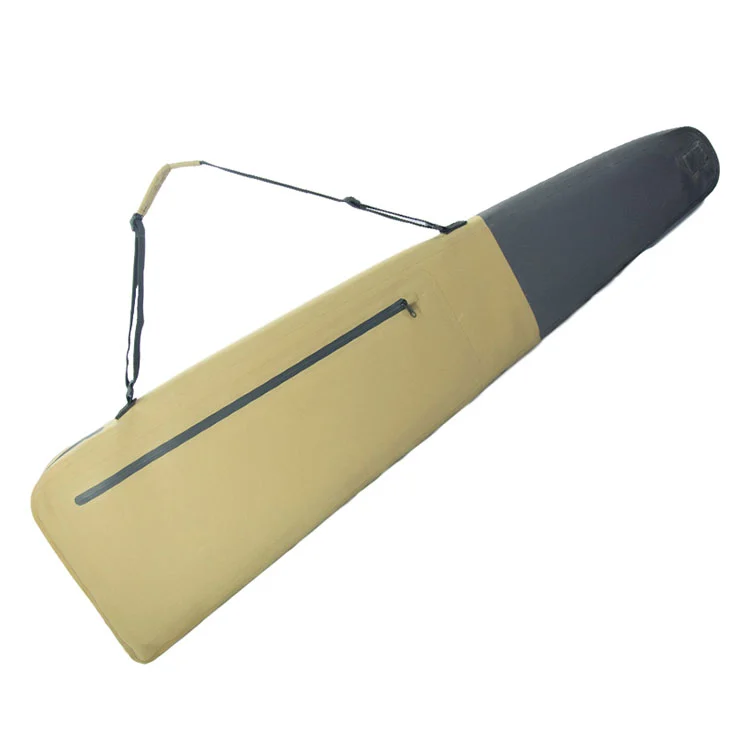
A water-resistant case is a practical choice for routine outdoor handling. A waterproof case is more appropriate when the application involves substantial water exposure, but the complete product must be evaluated, including its seams, closure, and any stated immersion rating.

Buyers with different customer groups may benefit from offering both categories rather than expecting one design to meet every environmental requirement.


Where Can a Water-Resistant Gun Case Be Used?

A water-resistant case is most useful in situations where ordinary moisture protection, lightweight construction, and convenient carrying matter more than complete isolation from water.

  • Outdoor transportation: Helps shield a case's contents from light rain, road spray, and dust during movement between locations.
  • Shooting-range visits: Provides a practical carrying solution when weather conditions may change during travel.
  • Hunting trips: Helps manage exposure to morning dew, damp vegetation, and occasional light showers within the product's stated limits.
  • Retail product assortments: Offers an everyday-use option for customers who do not require immersion-rated protection.
  • Private-label collections: Provides opportunities to coordinate colors, branding, packaging, and product presentation.

Regardless of the application, a firearm should be unloaded and handled in accordance with applicable laws and safety procedures before it is placed in a case. A carrying case should never be treated as a substitute for safe firearm handling or secure storage.


How Should Buyers Evaluate a Supplier?

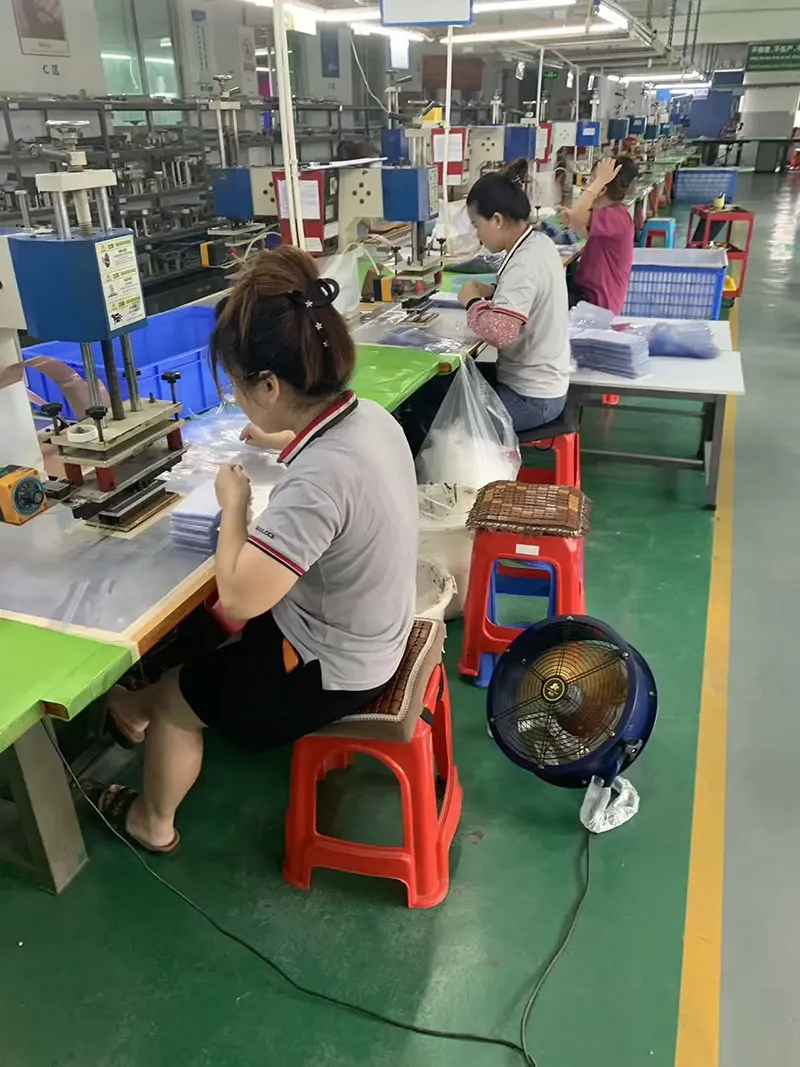
For importers, distributors, and outdoor brands, product selection involves more than comparing unit prices. A dependable purchasing process should verify specifications, customization requirements, production arrangements, and the supplier's ability to communicate product limitations accurately.

Confirm Product Requirements

Before requesting a quotation, establish the target dimensions, preferred colors, padding requirements, carrying configuration, and expected weather exposure. If customers need immersion protection, specify that requirement from the beginning rather than attempting to adapt a conventional stitched case.

Review Samples and Quality Checks

Evaluate representative samples for fabric consistency, zipper performance, stitching, padding placement, and handle attachment. Where water resistance is important, ask the supplier to explain its test method, exposure conditions, and acceptance criteria.

Discuss OEM and ODM Options

Private-label projects may require logo printing, customized colors, packaging, care instructions, or a different case profile. Confirm which modifications are available, whether they affect the minimum order quantity, and whether revised samples are necessary before mass production.

Check Commercial Details

Ask for written confirmation of the minimum order quantity, sample charges, production schedule, payment terms, shipping arrangements, and inspection requirements. A clear agreement helps reduce misunderstandings between the supplier and the purchasing team.

For reference, Sealock lists a 300-piece minimum order quantity for the SL-E899, with samples typically available in 7–10 days and production generally taking 30–45 days. Final schedules should be confirmed against the specific order and customization scope.


How Can You Maintain a Gun Case?

Proper maintenance helps preserve fabric condition, closure performance, and interior cleanliness. Even a well-made water-resistant case benefits from routine inspection and appropriate drying.

  1. Wipe the exterior: Remove mud, dust, and surface moisture with a suitable cloth.
  2. Air-dry after use: Open the case and allow the interior to dry fully before storage.
  3. Avoid prolonged wet contact: Do not leave a conventional water-resistant case sitting in standing water or on saturated ground.
  4. Inspect the zipper: Check for dirt, damaged teeth, or resistance during opening and closing.
  5. Check seams and straps: Look for fraying, loose stitching, or worn attachment points.
  6. Store in a dry location: Avoid sealing the case while damp, as trapped moisture may cause unpleasant odors or mildew.

Follow the manufacturer's care guidance and avoid cleaning agents that could damage the coating or fabric. A water-resistant finish may gradually lose effectiveness through abrasion and repeated use, so periodic inspection is important.


Frequently Asked Questions

1. Is a water-resistant gun case completely waterproof?

No. Water resistance generally means protection against ordinary exposure such as light rain, splashes, and dew. It does not automatically provide protection against prolonged soaking or immersion. Check the specific product rating before use.

2. What material is used in the Sealock SL-E899?

The SL-E899 uses 600D polyester Oxford fabric with a water-resistant finish, a soft polyester lining, and 10–15 mm foam padding. These features support everyday weather resistance, cushioning, and portability.

3. Can a water-resistant gun case be used in heavy rain?

Its suitability depends on the duration and intensity of exposure and the product's tested performance. The SL-E899 is intended for normal outdoor exposure, not sustained soaking. Choose a properly rated waterproof design when heavier or prolonged water exposure is expected.

4. Does thicker padding improve water resistance?

Not necessarily. Padding primarily provides cushioning and helps limit movement inside the case. Water protection depends more directly on the outer material, coating, seams, and closure system.

5. Can Sealock customize the SL-E899 for private-label projects?

Yes. Listed customization options include color selection, branding, packaging, care cards, padding specifications, and product-profile adjustments. Buyers should confirm the available options, costs, and minimum order requirements with Sealock.

6. What is the minimum order quantity for the SL-E899?

The listed minimum order quantity is 300 pieces. Sample lead time is approximately 7–10 days, while production typically takes 30–45 days. Actual timing depends on order details and confirmation from the supplier.

7. How should a gun case be dried after a wet outing?

Wipe the exterior, open the case fully, and allow it to air-dry in a suitable ventilated area. Ensure the lining and padding are dry before closing and storing the case.

8. How can buyers choose between a water-resistant and waterproof model?

Start with the expected exposure. For ordinary rain and splashes during transportation, a water-resistant case may be sufficient. For sustained wet conditions or immersion risks, choose a model specifically designed and tested for the required level of waterproof protection.


Conclusion: Choosing the Right Water-Resistant Gun Case

A well-designed water-resistant gun case combines suitable outer fabric, reliable stitching, practical padding, and convenient carrying features to support everyday outdoor transportation. The most important purchasing decision is to match the construction to the expected environment and communicate the product's limitations clearly.

Sealock's SL-E899 provides a lightweight soft-case option with coated 600D Oxford fabric, 10–15 mm foam padding, multiple color choices, and OEM/ODM customization support. For outdoor brands and distributors planning a new product range, reviewing the specifications, assessing samples, and confirming testing requirements are sensible steps toward making an informed decision.

Looking for a customizable water-resistant gun case for your outdoor equipment range? Visit the Sealock product page to review the SL-E899 specifications and available customization options. Contact Sealock to discuss your target market, order quantity, branding, packaging, and required weather-protection level. Please contact us to request a quotation and explore a solution that matches your product requirements.

Related News
Leave me a message
X
We use cookies to offer you a better browsing experience, analyze site traffic and personalize content. By using this site, you agree to our use of cookies. Privacy Policy
RejectAccept