News

How Can a Kayak Canoe Waterproof Rifle Case Protect Your Gear on Every Water Adventure

2026-10-10 0 Leave me a message

Sealock provides practical waterproof outdoor gear solutions for demanding environments. A Kayak Canoe Waterproof Rifle Case is designed for users who need dependable protection against splashes, rain, and moisture while transporting compatible equipment during outdoor activities. Choosing the right case helps improve storage organization, transport convenience, and equipment protection around water.

A Kayak Canoe Waterproof Rifle Case is a specialized storage solution for outdoor environments where water exposure and limited storage space create practical challenges. For kayak and canoe users, important considerations include waterproof construction, closure reliability, material durability, portability, internal dimensions, and secure attachment points. This guide explains how to evaluate these features, compare potential designs, maintain a waterproof case, and select a solution suited to your intended application. It also outlines purchasing considerations for outdoor equipment distributors, hunting gear retailers, and businesses seeking customized waterproof storage products from Sealock.

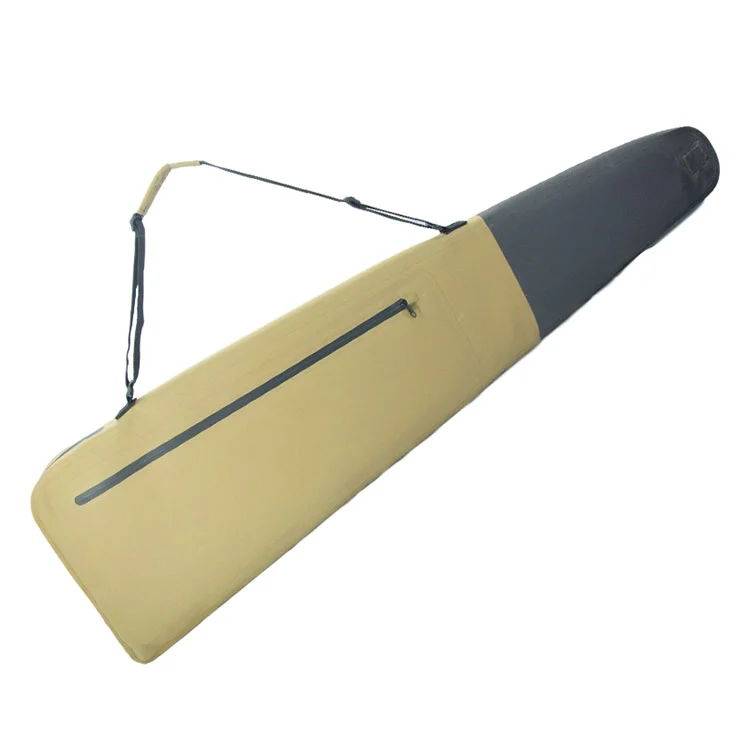
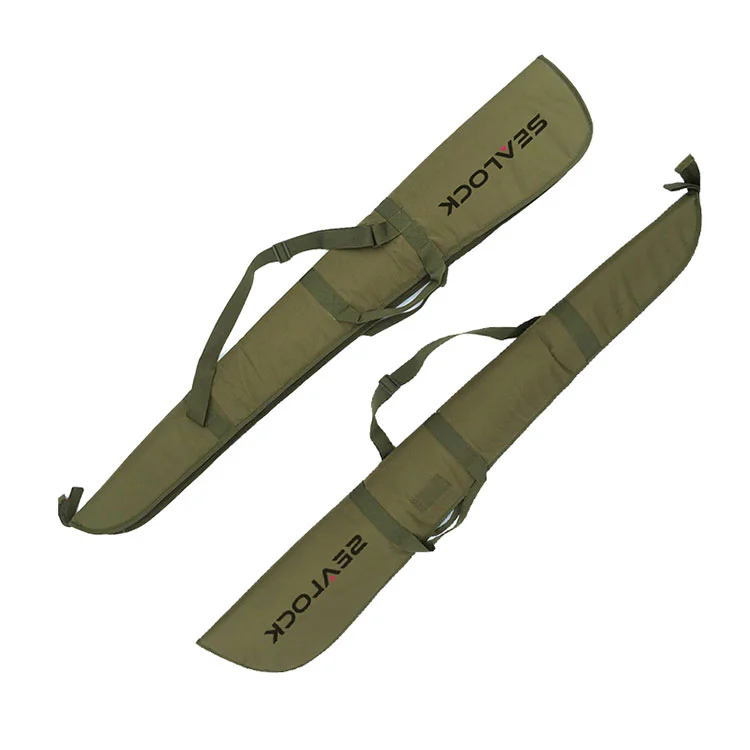
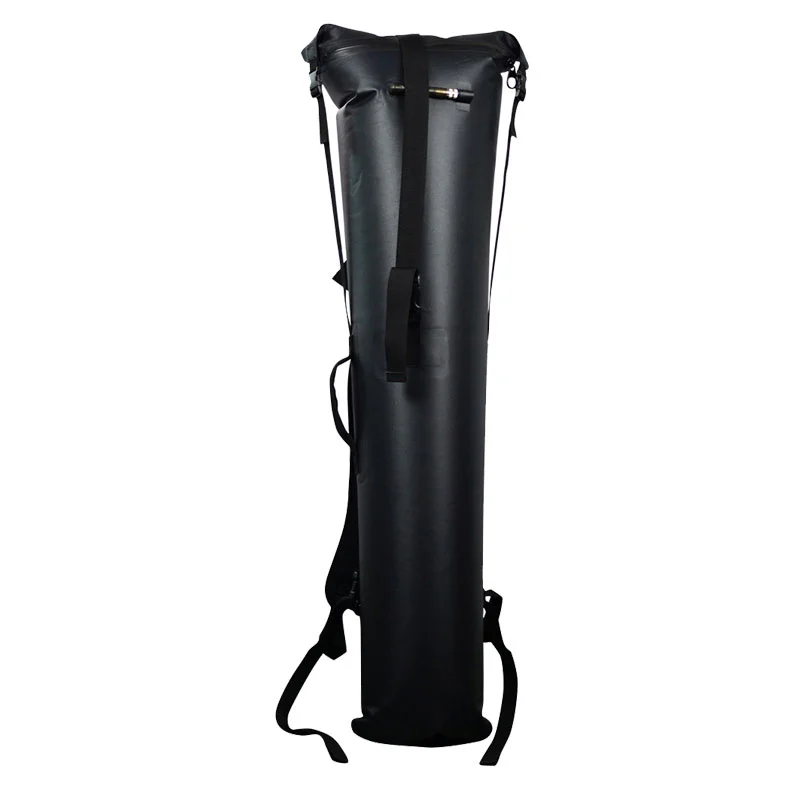
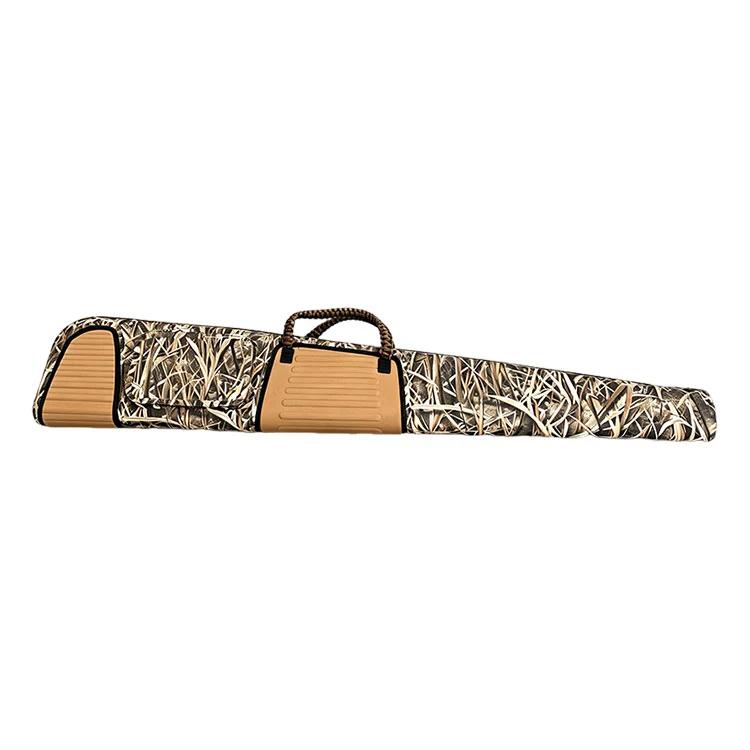
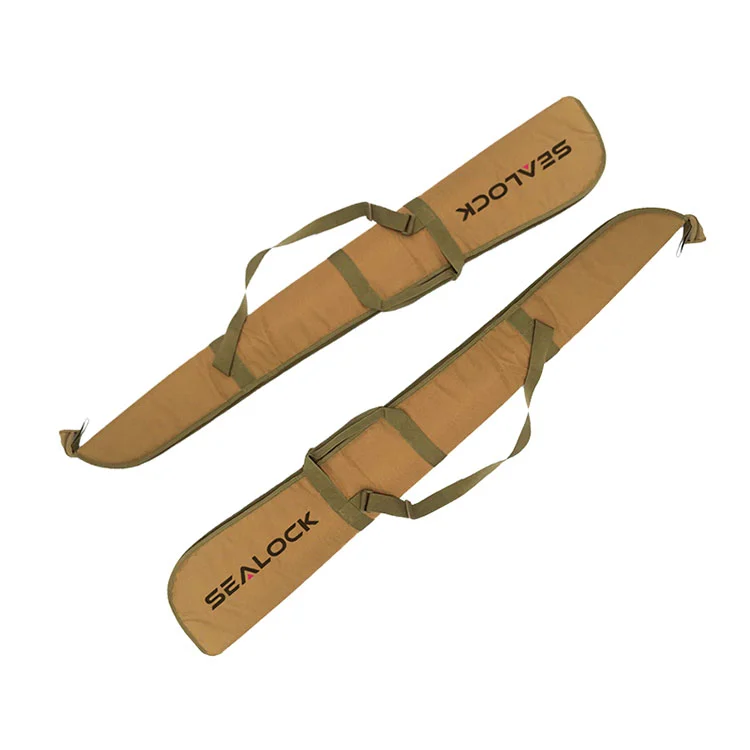
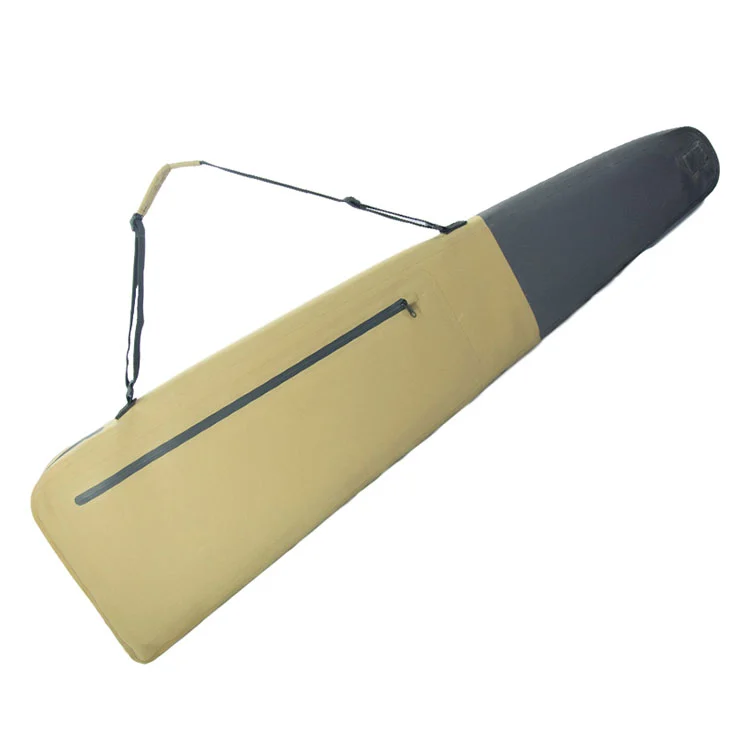
Kayak Canoe Waterproof Rifle Case

Table of Contents

1. Why Is Waterproof Protection Important?

2. What Features Should You Look For?

3. How Do Materials and Construction Affect Performance?

4. How Does a Waterproof Rifle Case Compare with Other Storage Options?

5. How Can You Choose a Case for Kayak and Canoe Trips?

6. How Should You Maintain a Waterproof Case?

7. What Should Buyers Check Before Ordering?

8. Frequently Asked Questions

9. Final Thoughts


1. Why Is Waterproof Protection Important?

Kayaking and canoeing expose outdoor equipment to conditions that are different from those encountered during ordinary land-based transportation. Paddle splashes, unexpected rain, wet storage compartments, and accidental contact with water can all introduce moisture into inadequately protected gear.

A properly selected waterproof rifle case can help reduce these risks when its materials, closures, and construction are suitable for the expected conditions. For outdoor enthusiasts and professional equipment users, the principal benefits include:

  • Moisture protection: A suitable waterproof barrier helps prevent rain and splashing water from reaching stored equipment.
  • Improved organization: A dedicated compartment keeps compatible equipment together instead of mixing it with loose outdoor supplies.
  • Reduced environmental exposure: Durable outer materials can help resist abrasion, dirt, and routine handling.
  • Convenient transportation: Appropriate dimensions and carrying features make equipment easier to move between vehicles, shorelines, and storage areas.

However, waterproof performance depends on the complete product design rather than the outer material alone. Seams, zippers, roll-top closures, and attachment points must all be considered. A water-resistant product should not automatically be treated as suitable for prolonged immersion.


2. What Features Should You Look For?

When evaluating a Kayak Canoe Waterproof Rifle Case, start with the actual conditions in which it will be used. A short recreational trip on calm water may require different features from an extended expedition in exposed coastal conditions.

Reliable Waterproof Closure

The closure is one of the most important parts of any waterproof storage product. Depending on the design, it may use a waterproof zipper, a roll-top closure, or a sealed opening. Buyers should check the manufacturer's stated protection level and follow the specified closing procedure.

Durable Outer Material

Materials such as reinforced polyester, nylon, or PVC-based fabrics may be used in outdoor protective products. Their suitability depends on fabric weight, coating, seam construction, and resistance to abrasion. The best choice balances durability with manageable weight.

Suitable Interior Dimensions

Measure the intended equipment before ordering. Consider overall length, width, height, attached accessories, and the space needed for protective padding. A case that is too tight may strain its closure, while an excessively large design can allow equipment to move during transport.

Practical Carrying and Attachment Options

  • Adjustable shoulder straps for carrying between transport points.
  • Reinforced handles for convenient lifting.
  • External attachment points where supported by the design.
  • Compression or securing straps to help limit unwanted movement.
  • Low-profile construction for better use of restricted storage space.

These features should be evaluated together. A lightweight case is not necessarily waterproof, and a rugged case is not necessarily buoyant. Confirm each requirement independently rather than relying on general marketing descriptions.


3. How Do Materials and Construction Affect Performance?

The materials and manufacturing methods used in a waterproof case influence its flexibility, durability, weight, and resistance to water intrusion. Buyers should look beyond the fabric specification and assess the complete construction.

Fabric and Surface Coatings

Coated synthetic fabrics can provide a useful combination of flexibility and environmental protection. Depending on the selected material, they may offer resistance to moisture, abrasion, and everyday outdoor wear. Material selection should reflect the intended operating environment and expected service life.

Seam Construction

Stitching can create potential water-entry points if the seam design is not appropriately protected. Depending on the product, welded seams, sealed seams, or additional waterproof treatments may be used to improve water resistance. Buyers should ask how seams are constructed and whether the finished product is tested.

Padding and Internal Protection

Padding can help reduce scratches and minor impacts during normal handling. It should be appropriate for the stored equipment and should not interfere with the closure. Padding alone does not establish waterproof performance, crush resistance, or protection against severe impacts.

For further reading on outdoor storage and water protection, explore Sealock's outdoor gear website and review the available product information before selecting a solution.


4. How Does a Waterproof Rifle Case Compare with Other Storage Options?

Different storage formats suit different activities. The following comparison highlights general characteristics; actual performance depends on the individual product specification.

Storage Option Water Protection Portability Typical Consideration
Waterproof soft case Depends on fabric, seams, and closure Usually flexible and lightweight Useful where compact storage is important
Waterproof hard case Depends on seals and locking mechanisms Usually more rigid and bulky May provide greater structural protection
General-purpose dry bag Depends on material and closure design Often lightweight and packable Check dimensions, padding, and equipment compatibility
Standard fabric carrying bag May provide limited water resistance Often easy to carry Not appropriate where verified waterproof protection is essential

This comparison is intended as a general purchasing guide, not a claim that every product in a category offers the same performance. Always verify the exact model's specifications and test results.


5. How Can You Choose a Case for Kayak and Canoe Trips?

Kayaks and canoes often have limited storage capacity, so the shape and dimensions of protective equipment matter as much as its material. Before purchasing, assess where the case will be positioned and how it will be secured during transport.

Check Available Storage Space

Measure the usable compartment or deck area, taking account of hatch openings, seat positions, other equipment, and access requirements. A product may fit inside a compartment but still be difficult to insert or remove through a narrow opening.

Consider Water Exposure

Identify whether the case is expected to encounter occasional splashes, heavy rain, repeated wave exposure, or possible immersion. Select a product with documented performance appropriate to those conditions. Do not assume that a floating design is automatically fully waterproof or that a waterproof design will float.

Secure the Case Properly

Movement inside a kayak or canoe can affect balance and create a safety hazard. Use compatible attachment points and secure the case according to the watercraft manufacturer's recommendations. Do not obstruct emergency equipment, drainage, access hatches, or essential movement areas.

Follow Firearm Transportation Requirements

Where a case is intended to transport a firearm, users must follow applicable laws and transportation requirements. Keep the firearm unloaded during transport where required, use suitable locking arrangements, and observe local rules for boating, hunting, and access to restricted areas. A waterproof case is not, by itself, a guarantee of legal compliance or safe firearm handling.


6. How Should You Maintain a Waterproof Case?

Regular inspection and correct storage help preserve the performance of outdoor protective equipment. Even a well-constructed case can lose effectiveness if its closure is damaged or its seams deteriorate.

  • Clean after use: Remove mud, sand, and other debris with a method compatible with the material.
  • Inspect closures: Check zippers, buckles, roll-top surfaces, and sealing components for visible damage.
  • Examine seams: Look for abrasion, separation, punctures, or other signs of wear.
  • Dry before storage: Allow the exterior and interior to dry fully according to the manufacturer's care instructions.
  • Avoid unsuitable chemicals: Solvents and aggressive cleaning agents may damage coatings or waterproof components.
  • Store appropriately: Keep the case away from sharp objects, excessive heat, and conditions that could degrade its materials.

If the case is used around salt water, rinse it as directed by the manufacturer and pay particular attention to hardware and attachment components. Before relying on the case for another trip, inspect it carefully and conduct only the water-resistance checks recommended for that product.


7. What Should Buyers Check Before Ordering?

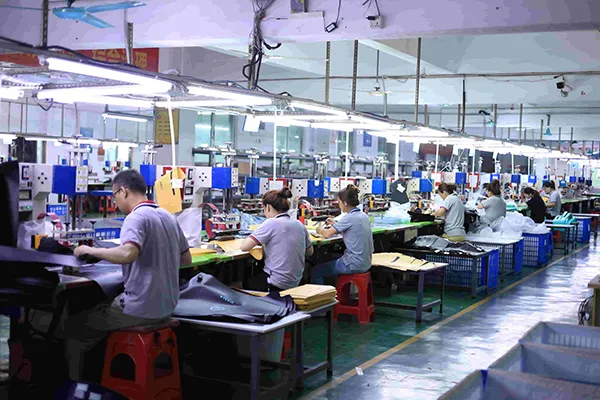
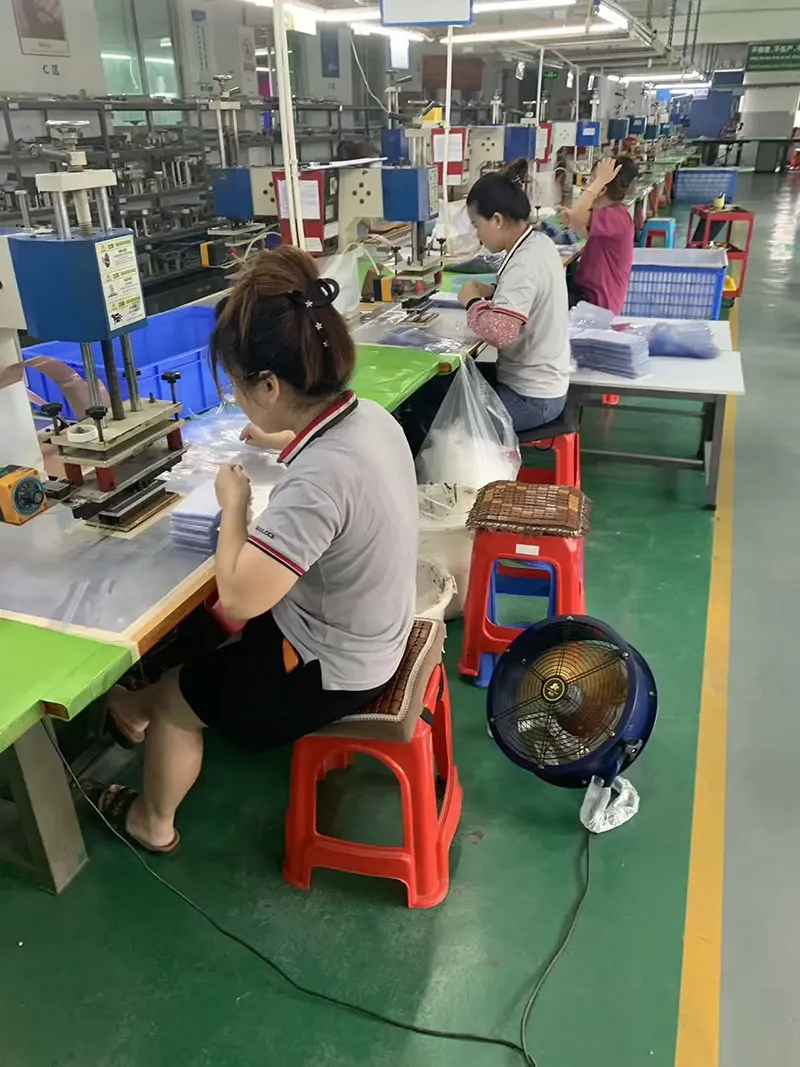
For individual buyers, the most important factors are fit, protection, usability, and suitability for the intended environment. For retailers, distributors, and outdoor equipment brands, additional considerations include consistent specifications, customization options, quality inspection, and delivery requirements.

Use the following checklist when assessing a supplier:

  • Confirm product dimensions, material composition, and available colors.
  • Request details about waterproof closure design and seam construction.
  • Ask whether the product has been tested and request applicable test documentation.
  • Clarify carrying options, attachment features, and interior padding.
  • Check whether logo printing, packaging customization, or OEM/ODM services are available.
  • Confirm minimum order quantities, sample availability, production lead times, and shipping arrangements.
  • Review inspection procedures and the supplier's process for handling quality concerns.

Sealock's outdoor gear business provides waterproof product solutions and customization services. Buyers considering a Kayak Canoe Waterproof Rifle Case should confirm the current model's specifications directly with the company rather than assume that every feature is included as standard.

For commercial purchasing, a sample evaluation is particularly useful. It allows buyers to inspect the closure, material feel, stitching or welding, dimensions, and carrying comfort before committing to a larger order.


8. Frequently Asked Questions

Q1: What is a Kayak Canoe Waterproof Rifle Case used for?

A Kayak Canoe Waterproof Rifle Case is intended to help protect compatible equipment from moisture and environmental exposure during transportation and outdoor activities. The level of protection depends on its materials, closure system, construction, and verified product specifications.

Q2: Is every waterproof rifle case safe for full submersion?

No. Waterproof claims vary by design and testing standard. Some products are intended for splashes and rain, while others may be tested for immersion under specified conditions. Check the manufacturer's documentation and never infer submersion capability from the word “waterproof” alone.

Q3: How do I select the correct case size?

Measure the equipment's total length and widest points, including any accessories that will remain attached. Compare these measurements with the usable internal dimensions of the case and allow sufficient room for padding and closure operation.

Q4: Can a waterproof case float if it falls into the water?

Not necessarily. Buoyancy depends on the case's construction, internal volume, contents, and total weight. Only rely on flotation when the manufacturer provides appropriate buoyancy specifications for the intended load.

Q5: Does Sealock offer customization for waterproof outdoor gear?

Sealock has described OEM/ODM and logo customization services for its waterproof product range. Buyers should contact the company to confirm whether their required dimensions, materials, colors, closure designs, and branding options are available for the specific product.

Q6: How can I maintain the waterproof performance of my case?

Clean the case using suitable methods, inspect closures and seams regularly, avoid damaging chemicals, and dry it thoroughly before storage. Follow the manufacturer's instructions for inspection and testing, particularly after abrasion or impact.


9. Final Thoughts

Selecting the right Kayak Canoe Waterproof Rifle Case requires more than choosing a product labeled waterproof. Material quality, closure design, seam construction, internal dimensions, portability, and documented performance all contribute to a practical storage solution. Buyers should also consider the conditions in which the case will be used and follow applicable transportation and safety requirements. Whether you are an outdoor enthusiast, retailer, or equipment brand sourcing waterproof products, careful specification checks can help you make a more informed decision. If you are looking for waterproof outdoor gear or customized product solutions, contact us at Sealock to discuss your application, required specifications, customization options, and purchasing needs.

Related News
Leave me a message
X
We use cookies to offer you a better browsing experience, analyze site traffic and personalize content. By using this site, you agree to our use of cookies. Privacy Policy
RejectAccept