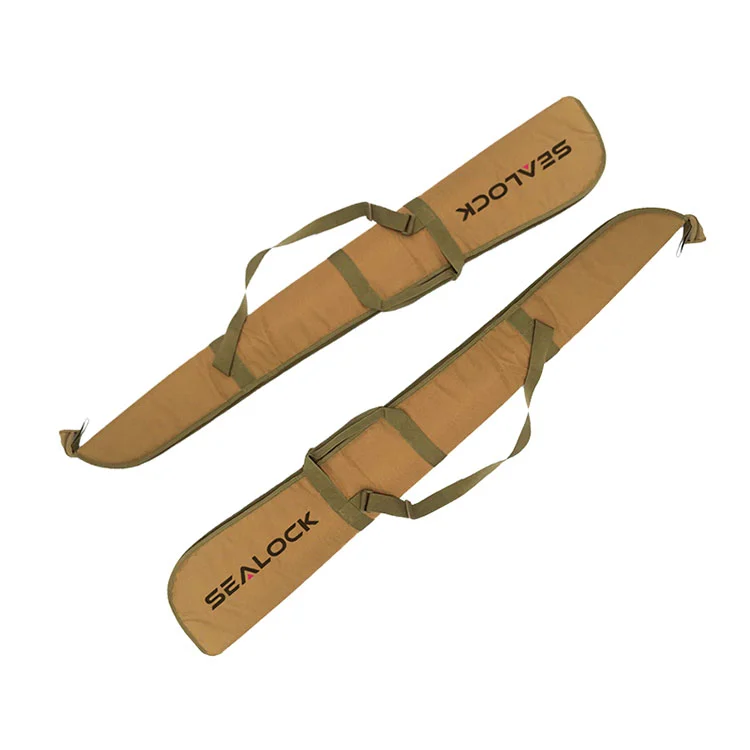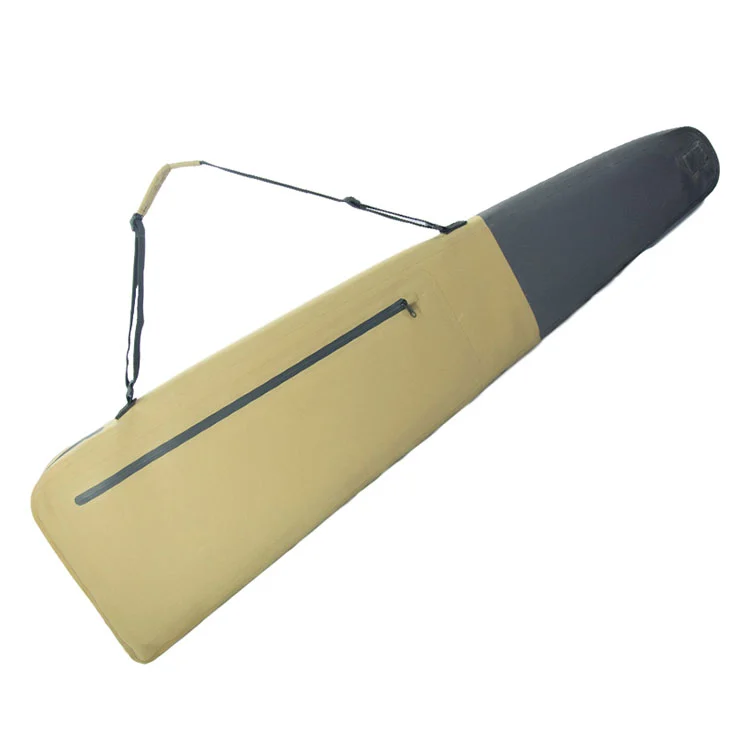

High-Frequency Welded Hunting & Gun Cases, Built in China and Vietnam
OEM development and production for hunting and outdoor brands, from first sketch to sealed, tested cases.
- Since 2003
- Dongguan & Ho Chi Minh City factories
- MOQ 500
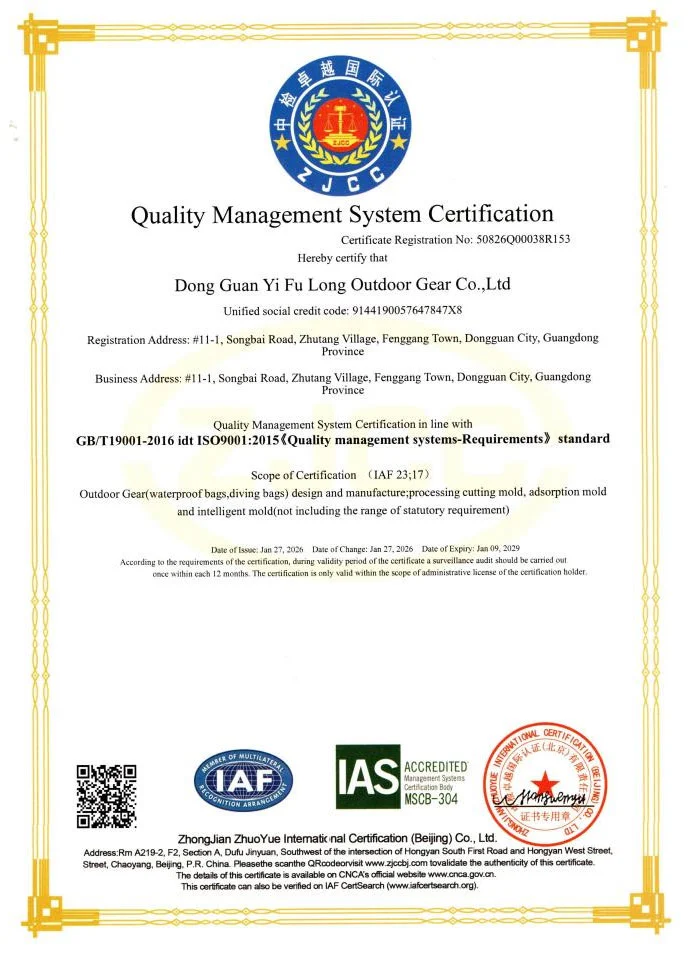
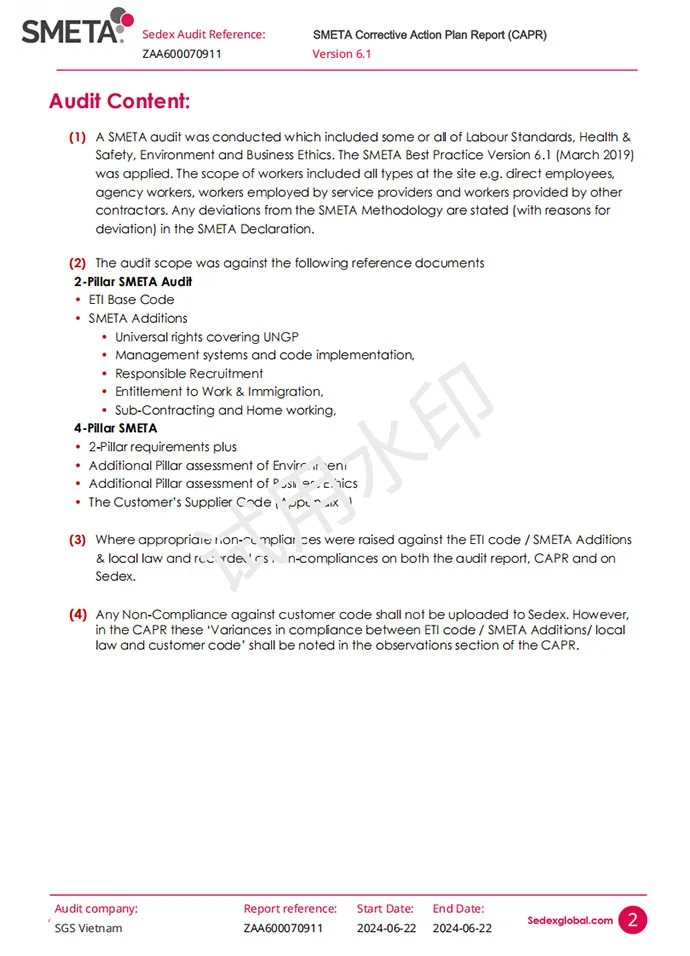
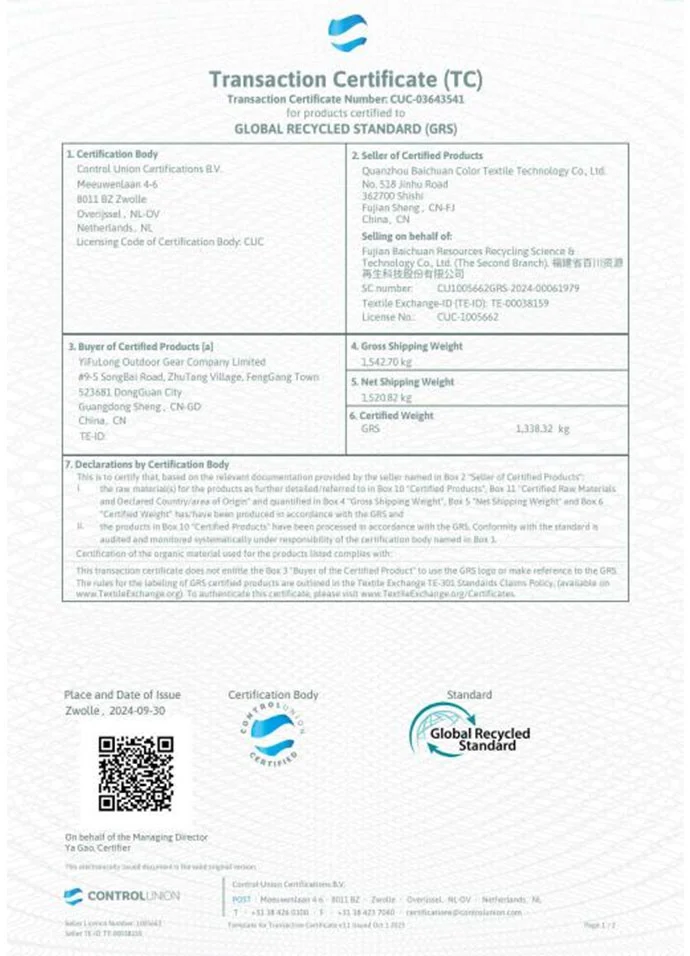
- ISO9001 / BSCI / SMETA / GRS

Waterproof & Tactical Hunting Carry Systems
Waterproof Rifle Cases · Floating Bags · Tactical Packs · RF-Welded Construction
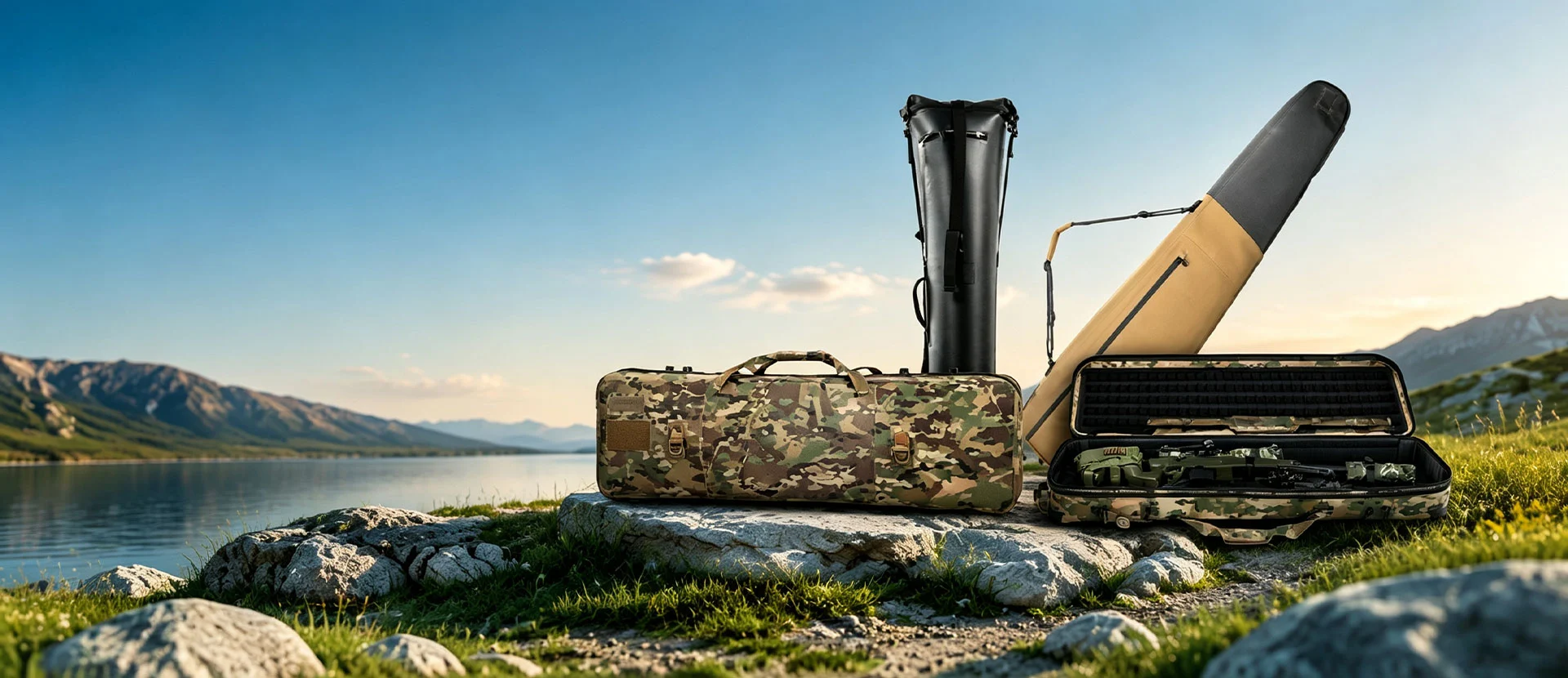
Four Core Systems — Engineered for Every Hunting Environment
Hunting Packs · Rifle Carry · Waterproof Gear · Loadout Accessories
From Mountains to Wetlands — Lightweight to Heavy Loads, Built for the Field
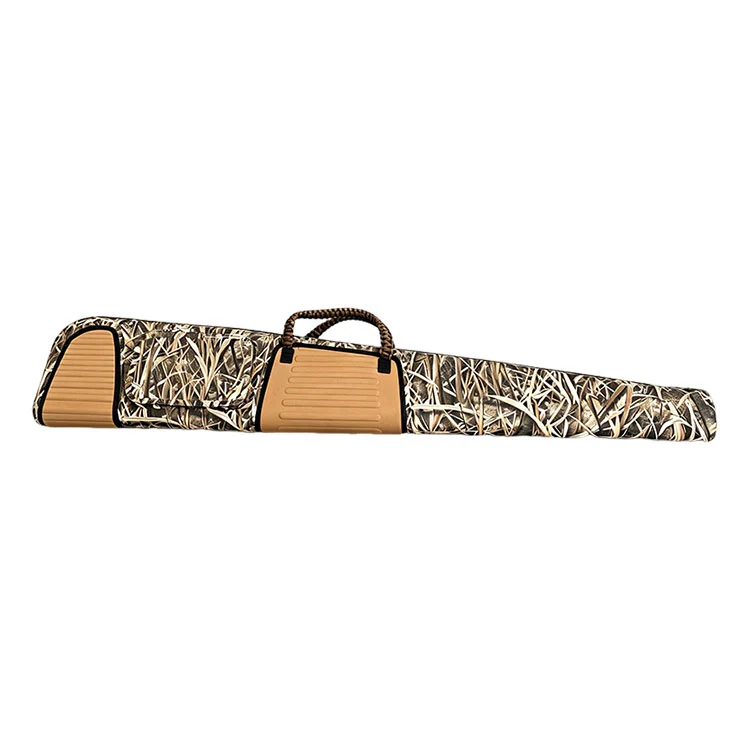
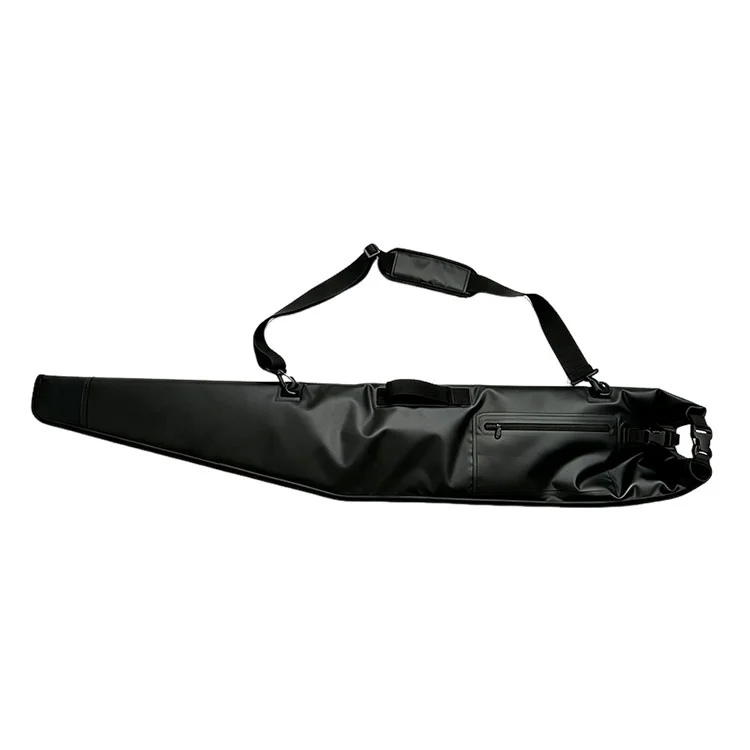
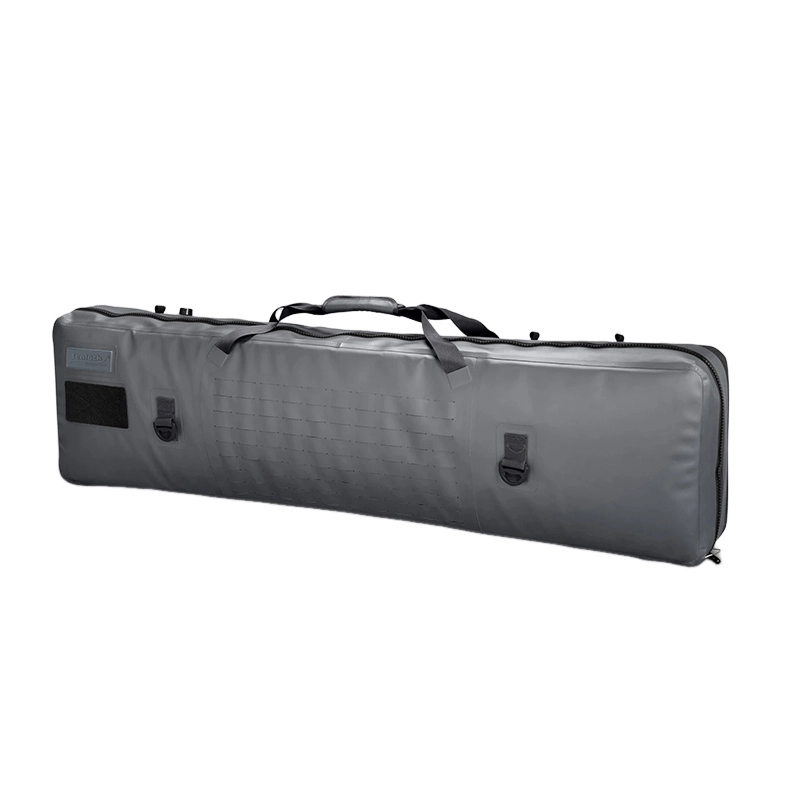


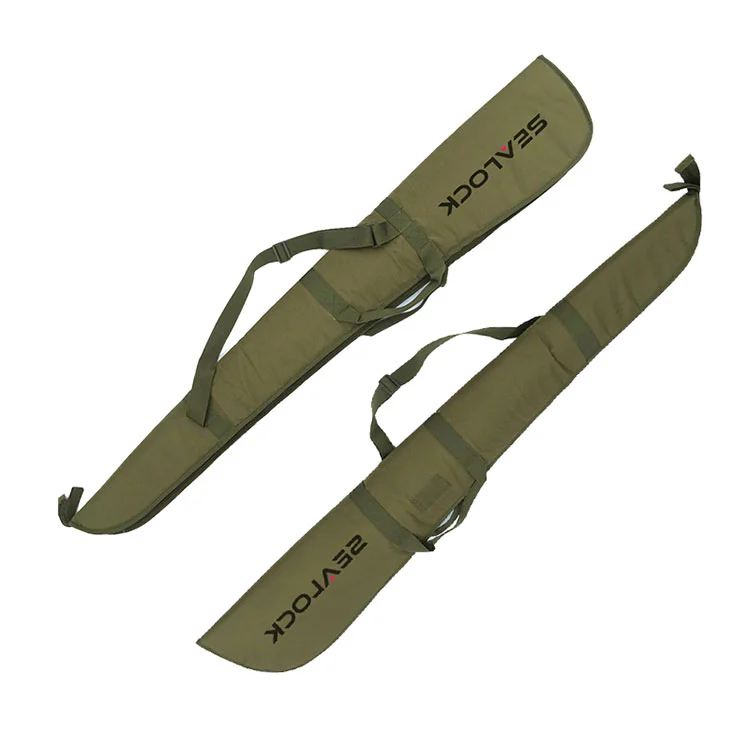

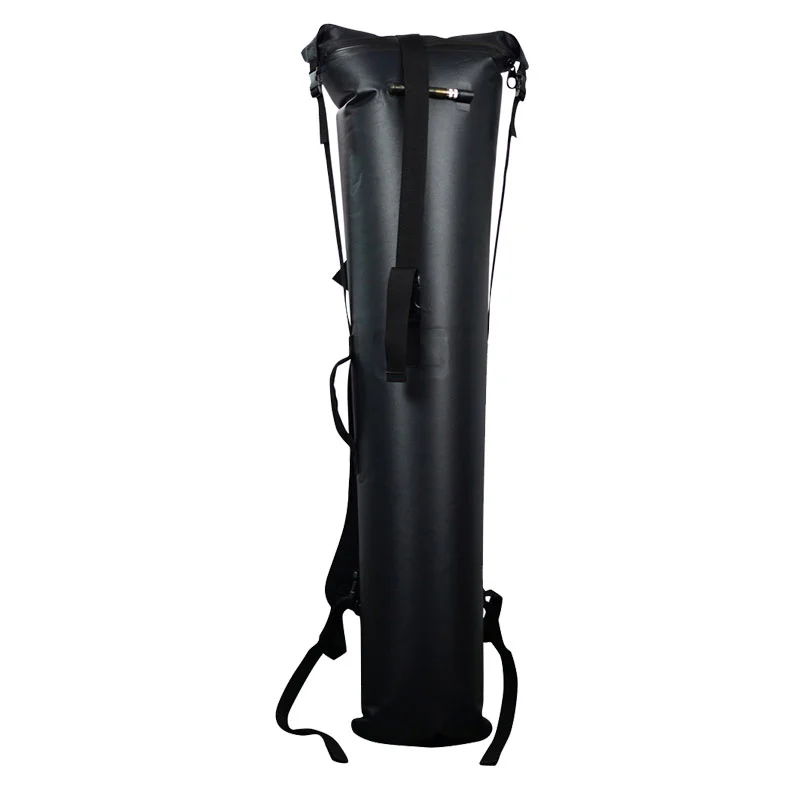

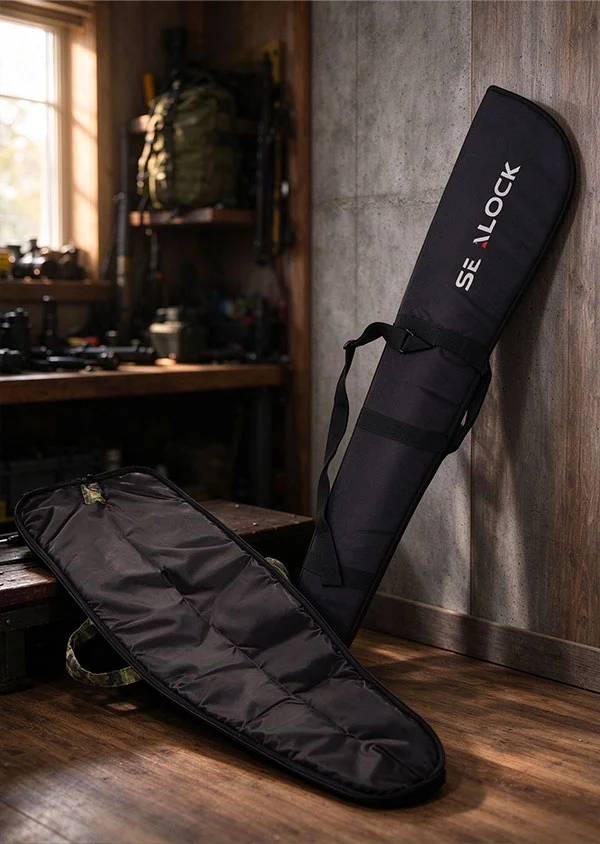

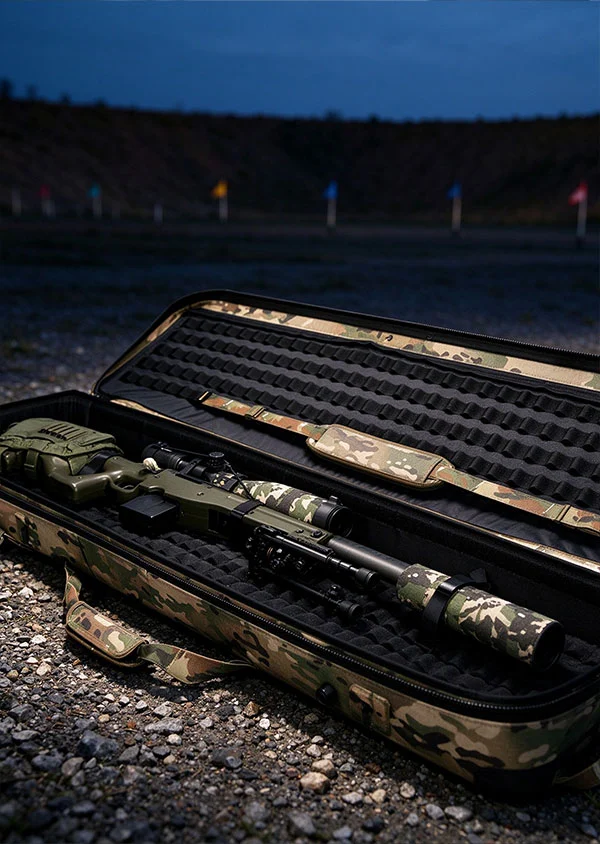
| Product | Best For | Main Protection | Carry Style |
|---|---|---|---|
| Waterproof Rifle Case | Wetland Hunting | Waterproof | Shoulder |
| Padded Shotgun Slip | Field Hunting | Foam Protection | Shoulder / Hand |
| Zippered Waterproof Gun Case | Outdoor Transport | Waterproof + Quick Access | Shoulder |
| Tactical Rifle Case | Tactical / Range | Padding + Equipment Storage | Multiple |
Why Why Hunting Brands Source From Us
For global brand owners, distributors and importers looking for a reliable hunting gear manufacturer and supplier in China, YiFuLong Outdoor Gear Co., Ltd. (Sealock) is your long-term trustworthy manufacturing partner:
-
1
Over 20 Years of Waterproof Construction
Our welding settings, seam widths and test methods come from two decades of dry bags, not from a new product line. -
2
Welded and Sewn, Both In-House
One supplier for a welded dry bag and a padded gun slip, with the same QC team checking both. -
3
China or Vietnam Origin
The same models can run in Dongguan or Ho Chi Minh City, depending on your tariff exposure and shipping plan. -
4
Custom Development From Scratch
We build new patterns, tooling and welding molds for your firearm list. Fully new designs take longer to develop than modifications, and we plan that time in from the start. -
5
Every Case Is Proven Before It Ships
Immersion testing, zipper fatigue to 3,000 cycles and load testing to 1,500+ cycles, with SGS or QIMA inspection available on request.

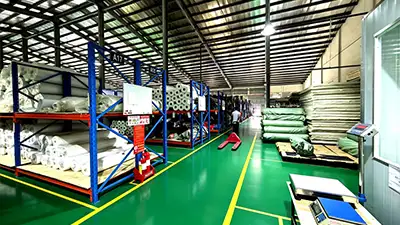
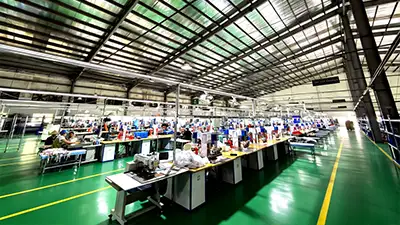
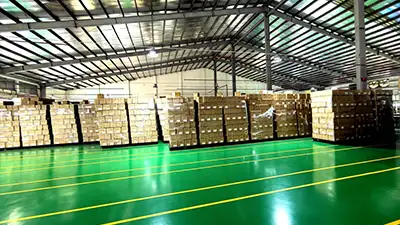
01
Material Selection
Every project begins with selecting materials based on the intended application. Waterproof rifle cases may use TPU or PVC waterproof fabrics and welded construction, while padded shotgun slips use durable woven fabrics, foam cushioning, soft lining, and reinforced webbing.
- TPU / PVC waterproof fabrics
- Oxford polyester fabrics
- High-density foam & PE / EVA cushioning
- Soft inner lining & heavy-duty webbing
- Waterproof / standard zippers & hardware
Why it matters: The material combination determines whether a bag is built for waterproof protection, impact cushioning, lightweight carrying, or abrasion resistance.
02
Cutting
Once materials and specifications are confirmed, each component is prepared according to the approved production pattern. Cutting methods may include pattern cutting, die cutting, or other methods suitable for the selected fabric.
- Outer shell & inner lining panels
- Foam padding components
- Reinforcement patches
- Webbing and strap components
- Pocket and accessory panels
Why it matters: Consistent cutting improves shape accuracy, assembly efficiency, and batch-to-batch consistency — especially for contoured rifle cases and shotgun slips.
03
Welding / Sewing
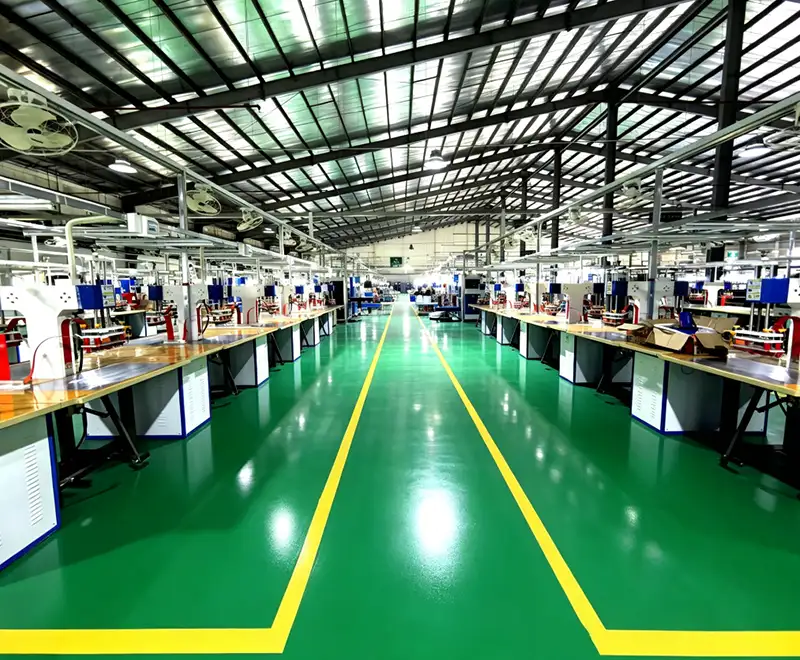
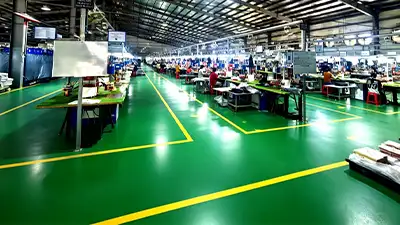
Different hunting bags require different construction methods. Waterproof products may use high-frequency welding for sealed seams, while padded and soft-sided products are assembled with industrial sewing.
- High-frequency welding for waterproof seams
- Industrial sewing
- Zipper installation & webbing attachment
- Edge binding & reinforcement stitching
- Bar-tack reinforcement at stress points
Why it matters: The construction method is selected by intended use — a welded dry bag and a padded slip have completely different structural requirements.
04
Assembly
After the main body panels are completed, individual components are combined into the finished product. Tactical or complex rifle cases may also include internal retention systems, MOLLE panels, and multiple compartments.
- Foam padding & inner lining installation
- Shoulder straps & carry handles
- Buckles, adjustment hardware & zipper pullers
- Accessory pockets & logos / labels / patches
- Custom branding and private-label packaging
Why it matters: Assembly turns materials into a complete hunting solution. Correct alignment and reinforcement are essential for comfort, appearance, and long-term use.
05
Quality Control
Quality control is integrated throughout production rather than relying only on a final visual check — from incoming materials to in-process checks and finished product inspection.
- Material inspection: fabric, foam, webbing, zippers, hardware
- In-process: cutting accuracy, seam alignment, welding, stitching
- Functional: zipper, roll-top closure, buckles, strap adjustment
- Finished: appearance, logo accuracy, loose threads, packaging
Why it matters: Every finished hunting bag should match the approved product specification before shipment.



FAQ Frequently Asked Questions
Find quick answers to the most common questions about our company, products, and services.
Q1: What types of hunting bags do you manufacture?
A: We manufacture several types of hunting and firearm carrying products, including waterproof rifle cases, waterproof gun bags, roll-top rifle dry bags, padded shotgun slips, soft gun cases, zippered waterproof gun cases, and tactical rifle cases. Our product structures are designed for different levels of protection and different outdoor environments. For example, a roll-top waterproof rifle case may be suitable for wetland or boat-based hunting, while a padded shotgun slip is designed primarily for everyday transport, scratch protection, and impact cushioning. We can also support OEM and custom development based on your target market, product concept, reference sample, or technical requirements.
Q2: Can you develop a waterproof rifle case based on our firearm dimensions?
A: Yes. We can develop or modify a waterproof rifle case based on the dimensions and overall profile of the firearm you intend to accommodate. For a more accurate evaluation, it is helpful to provide information such as: overall firearm length, maximum width, height at the scope or sight area, stock dimensions, required internal clearance, and whether additional accessories need to fit inside. Based on this information, we can evaluate the product dimensions, pattern structure, closure system, and material options. For more complex projects, a physical reference sample, technical drawing, or dimension sheet can help improve development accuracy.
Q3: What is the difference between a waterproof gun case and a padded gun case?
A: The main difference is the type of protection each product is designed to provide. A waterproof gun case focuses primarily on reducing exposure to rain, splashes, wet ground, and other moisture-related conditions. Depending on the design, it may use waterproof materials, welded seams, waterproof zippers, or a roll-top closure. A padded gun case focuses primarily on cushioning the firearm against everyday bumps, vibration, scratches, and minor impacts. It typically combines an outer fabric, foam padding, and a soft inner lining. Some projects may combine both functions, but this usually requires a more complex structure and material combination. The best choice depends on where and how the product will be used.
Q4: Can you customize foam thickness for shotgun protection?
A: Yes. Foam thickness and cushioning structure can be adjusted according to the product's intended protection level and target price range. For example, a lightweight hunting shotgun slip may use a thinner padding structure to reduce weight, while a higher-protection product may require thicker or higher-density foam. When evaluating padding options, we consider factors such as firearm weight, intended use, transportation method, required level of impact protection, overall product weight, product positioning, and target retail price. The goal is not simply to use the thickest possible foam. The padding structure should provide an appropriate balance between protection, weight, flexibility, and carrying comfort.
Q5: Which hunting bag is suitable for waterfowl or boat hunting?
A: For environments involving frequent water exposure, wetlands, marshes, boats, or kayaks, we generally recommend a waterproof construction rather than a conventional stitched fabric gun bag. Depending on the level of water exposure, suitable options may include roll-top waterproof rifle cases, waterproof gun dry bags, HF-welded gun cases, and waterproof rifle cases with sealed closures. A roll-top design is particularly suitable for products that prioritize waterproof protection and outdoor portability. The final product recommendation should depend on how the firearm will be transported, the expected level of water exposure, and whether additional features such as padding, quick access, or flotation are required.
Q6: Do you support custom camouflage patterns?
A: Yes. Custom camouflage is available for suitable product materials and production processes. Depending on the project, customers may provide existing camouflage artwork, brand-specific patterns, licensed patterns where applicable, custom color combinations, and Pantone color references. Before mass production, the pattern scale and placement should be reviewed because camouflage appearance can change depending on the product shape and cutting layout. We can also support solid colors, multi-color combinations, and other visual treatments according to the selected material.
Q7: Can you add private-label logos and retail packaging?
A: Yes. We support private-label development for hunting brands, distributors, and outdoor product companies. Branding options may include screen-printed logos, woven labels, rubber or PVC patches, embroidery, heat-transfer graphics, and branded hang tags. Packaging options may include PE protective bags, printed labels, barcode stickers, instruction cards, retail color boxes, custom cartons, and packaging inserts. The most suitable branding method depends on the material, product construction, logo design, order quantity, and target market.
Q8: Can we order a prototype before mass production?
A: Yes. Sample or prototype development can be arranged before mass production. A typical development process includes: confirming product requirements, reviewing dimensions and structure, selecting materials and components, preparing or modifying the production pattern, producing a prototype, reviewing the sample, making revisions if required, and confirming the final production specification. For customized projects, we recommend approving the sample before starting mass production, especially when the project includes custom dimensions, materials, padding, branding, or packaging. This helps reduce misunderstandings and ensures the final production version is based on an approved reference.
Q9: How do you test waterproof seams and closures?
A: The inspection method depends on the construction of the product. For welded waterproof hunting bags, we focus on the integrity and consistency of the welded seam. Visual inspection can be combined with functional testing based on the product design and customer requirements. For roll-top products, we check whether the opening can be properly rolled and secured according to the intended closure method. For waterproof zippers or sealed access systems, we inspect the installation, alignment, and operating condition of the closure. Possible verification methods may include visual seam inspection, weld consistency inspection, closure function checks, water exposure testing, and product-specific waterproof testing based on customer requirements. The exact testing standard should be agreed upon for projects requiring a specific waterproof performance level or third-party test report.
Q10: What information do you need to quote a custom hunting bag?
A: The more complete the product information is, the more accurately we can evaluate the project and prepare a quotation. Ideally, please provide: product type, reference photos, drawings, or samples, overall dimensions, intended application, preferred materials, waterproof or padding requirements, required carrying system, logo or branding requirements, packaging requirements, estimated order quantity, and target market or country. If you do not yet have a complete specification, that is not a problem. You can send us a product idea, reference image, or similar product, and we can discuss suitable materials, construction methods, and customization options based on your project.
0
Founded
Over 20 years of waterproof bag production
0
Production bases
Dongguan, China and Ho Chi Minh City, Vietnam
0
Employees
Welding, sewing, QC and development teams
0
Units per year
Combined annual capacity across both factories
0
HF welding machines
High-frequency welding lines in-house
0
Brand partners
Outdoor, fishing and hunting brands worldwide
0
Export markets
Countries our cases ship to
0
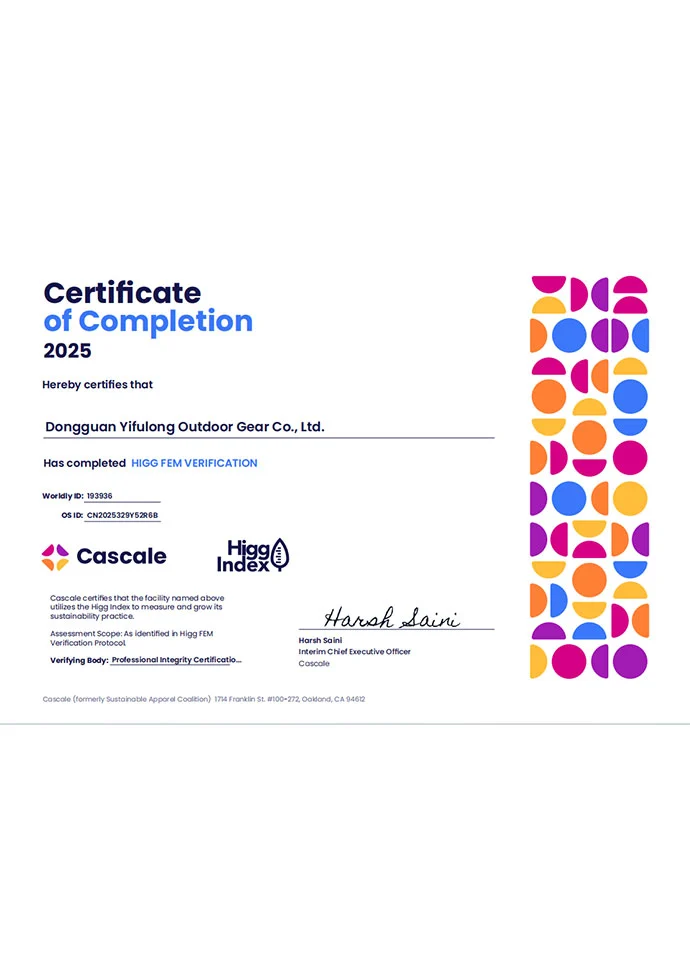
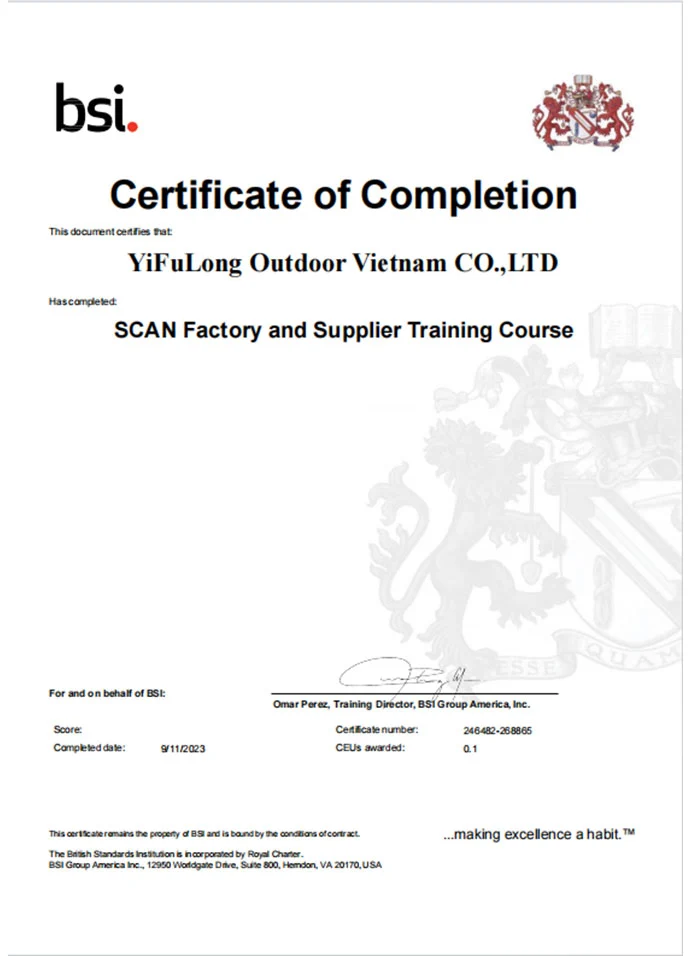
Audits and certifications
ISO 9001, BSCI, SMETA, GRS, Higg, SCAN
0
Sample lead time
From confirmed spec to production-grade sample
0
MOQ per model
Colors and logos adjustable within the order