Products
Soft Rifle Bag
  • Soft Rifle BagSoft Rifle Bag
  • Soft Rifle BagSoft Rifle Bag
  • Soft Rifle BagSoft Rifle Bag
  • Soft Rifle BagSoft Rifle Bag
  • Soft Rifle BagSoft Rifle Bag

Soft Rifle Bag

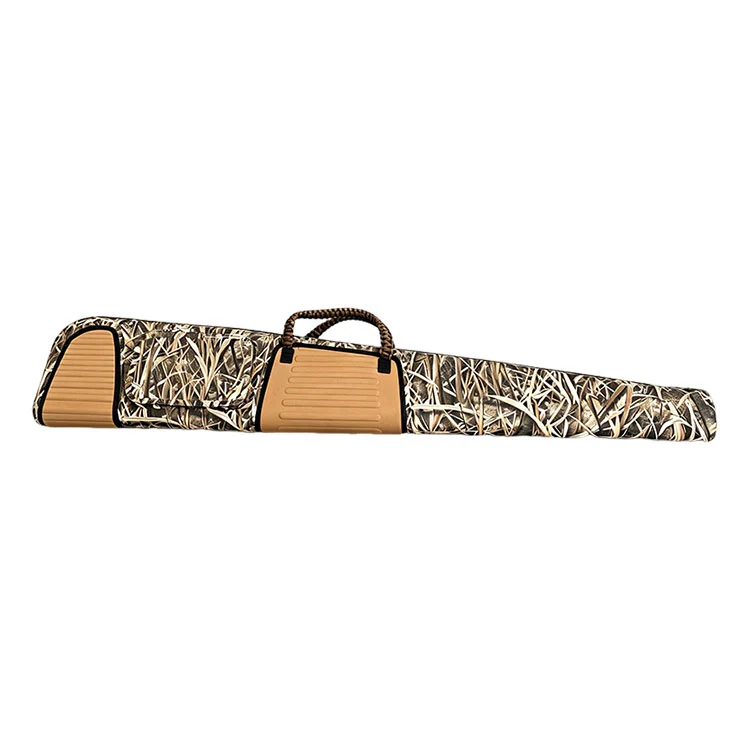
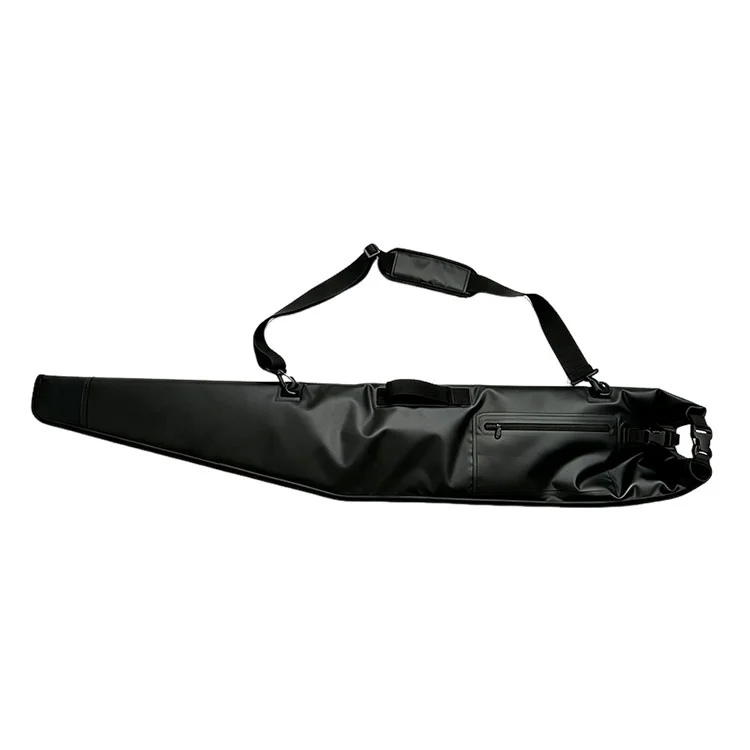
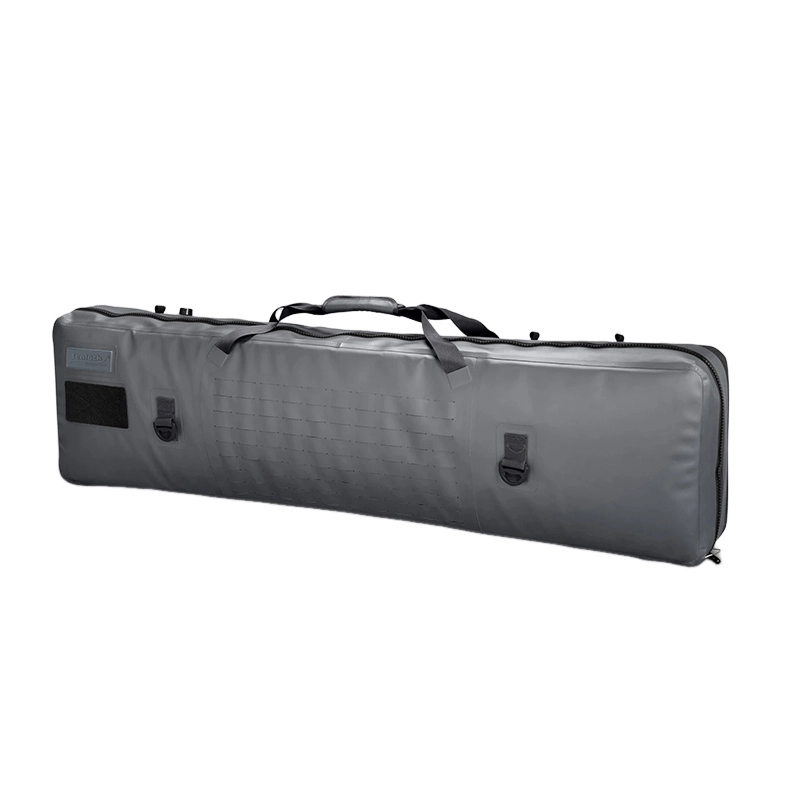
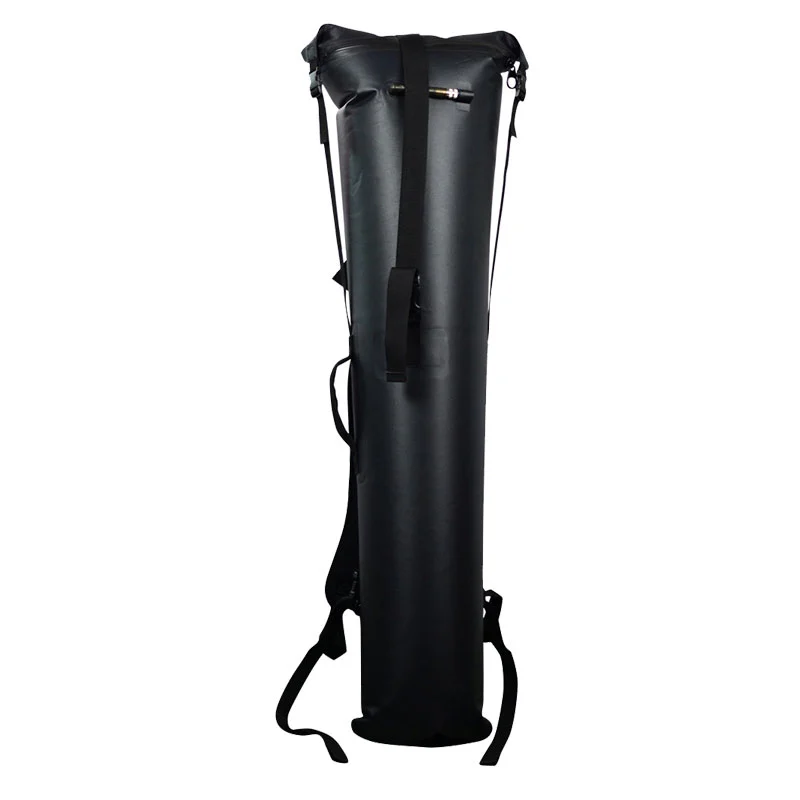
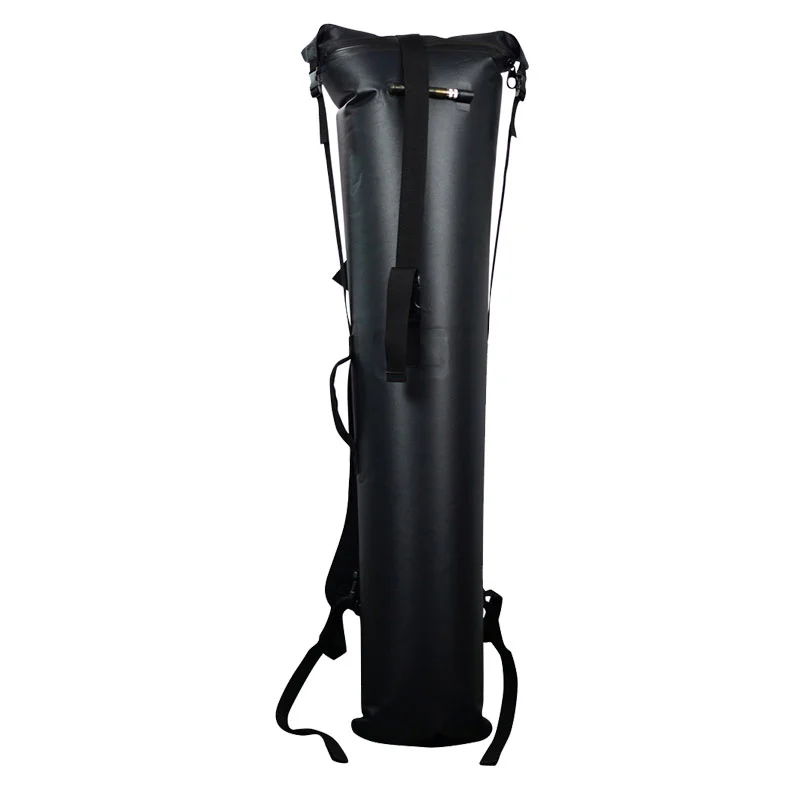
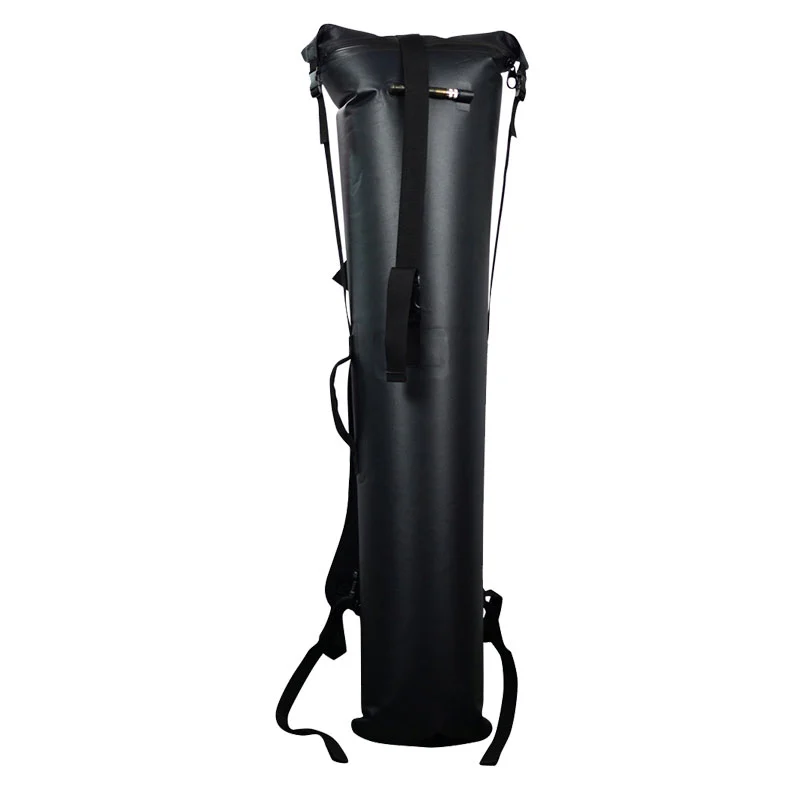
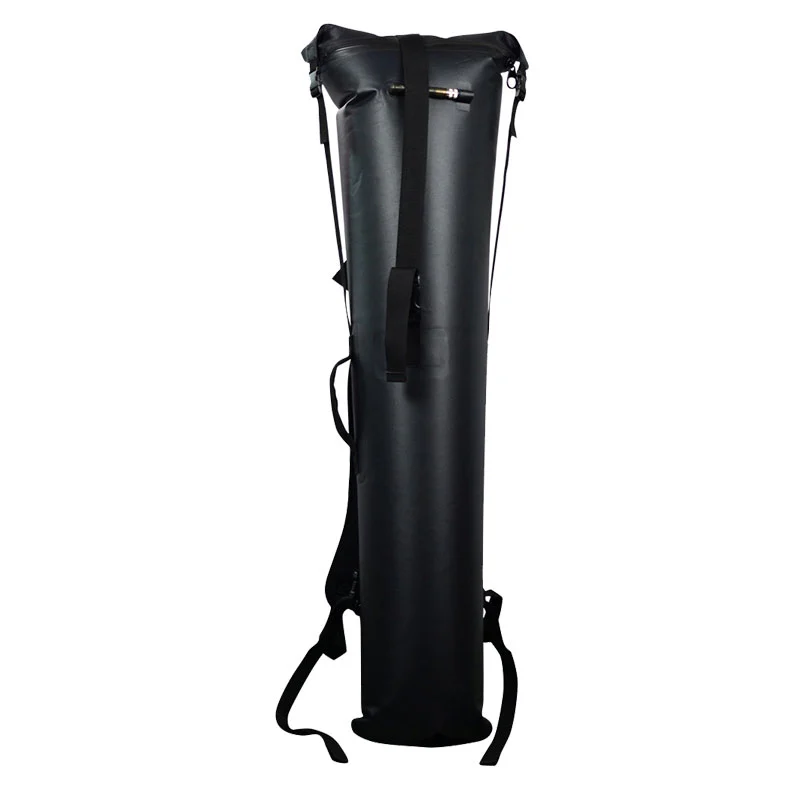
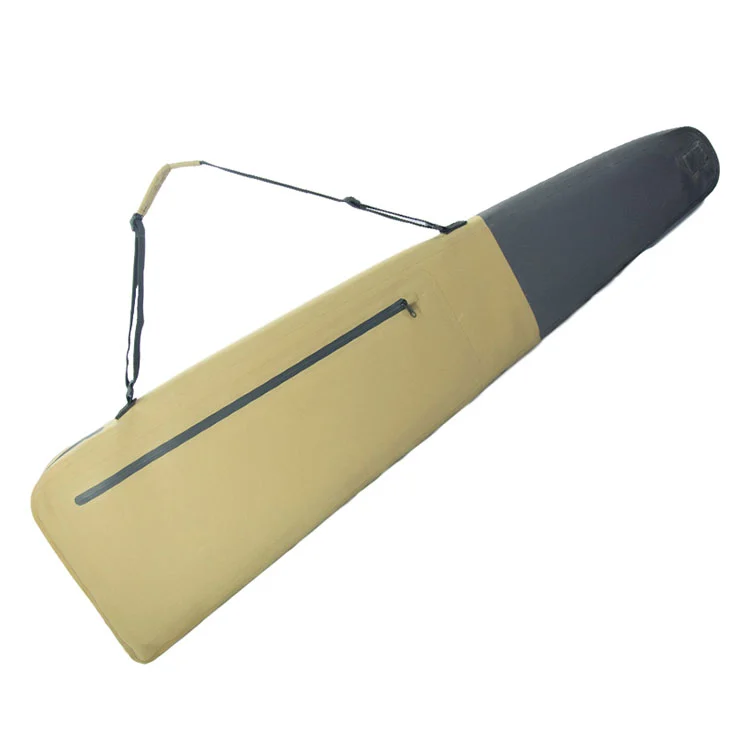
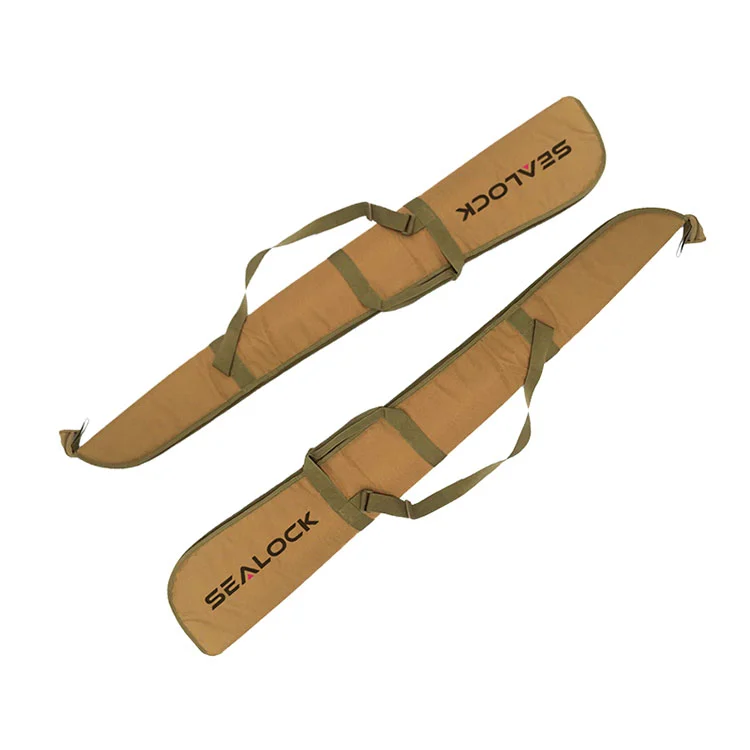
The Soft Rifle Bag from Sealock is specifically designed for rifles equipped with optical sights. It features a straight-cut design, with ample space reserved in the receiver area. The specifications are 122×26cm, and the weight is approximately 0.85kg. The outer layer is made of 600D Oxford fabric combined with 10–15mm cushioning foam. The minimum order quantity is 300 pieces, the sample period is 7–10 days, and sizes, linings, and logos can be customized.

The SL-E899 model of the Soft Rifle Bag differs from the cone-shaped shotgun bags. It features a straight-cut design combined with a raised receiver area to solve the problem of tight zippers and torn seams when storing rifles with sights. The outer material is 600D waterproof Oxford fabric, with full-length cushioning foam and a soft polyester lining inside. It can buffer vehicle jolts and vibrations, reducing the risk of aiming scope damage and gun body scratches. It comes with a full-length zipper, a front secondary pocket, and a detachable shoulder strap.

The Soft Rifle Bag offers multiple customization options. It can be adjusted based on the trial fitting of the customer's actual firearm. The depth of the receiver position, the length and width of the inner compartment, and the thickness of the foam can be modified. The fleece lining, custom color schemes, and numbered tags can be upgraded. Various brand processes such as screen printing, heat transfer printing, and embroidery are available.

Soft Rifle BagSL-E899 rifle configuration

A Rifle Is Not a Shotgun Shape

A shotgun tapers sharply from buttstock to muzzle. A rifle carries a mounted optic that adds height across the receiver and keeps a more uniform depth along its length. Using a shotgun-cut case for a scoped rifle is where zippers get strained and seams split at the receiver.

Dimension Shotgun Cut Rifle Cut
Profile Sharp taper toward the muzzle Straighter, more even along the length
Receiver area Standard depth Additional clearance for a mounted optic
Closing over an optic Often strains the zipper Closes without forcing
Suits Break-action, pump, semi-auto shotguns Bolt-action, semi-auto, precision rifles

Clearance at the Receiver

The clearance figure is the specification most worth confirming before an order. Large-objective scopes and elevated mounts sit higher than standard optics, and a case that closes over one will not necessarily close over the other.

Standard optics. The stock rifle cut closes without forcing over a conventional scope and mount.

Large objective or elevated mounts. Specify increased clearance depth at the receiver section, and send a reference rifle so we can test-fit the sample rather than working from a drawing.

Bipods attached. Folded bipods often clear, but profiles vary considerably. Flag this at sampling so internal width can be set correctly.

Vibration and the Optic

Foam protects the stock and barrel from knocks, and it also damps the vibration a rifle takes on a long drive over rough roads — one of the factors that works against a mounted optic over a season. It reduces vibration and impact; it is a soft case rather than a rigid one and does not eliminate all handling risk.

The Numbers

Item Specification
Model SL-E899
Size 122 × 26 cm (48 × 10–11 in)
Weight approx. 0.85 kg
Outer fabric 600D polyester Oxford, water-resistant finish
Padding Foam, 10–15 mm
Inner lining Soft polyester
Closure Full-length coil zipper
Accessory pocket 1 zippered front pocket
Profile Tapered rifle and shotgun cut
Carry Adjustable removable shoulder strap + reinforced handle
Construction Heavy-duty stitching, bound edges
Weather rating Water-resistant
Colourways Sand / Army Green / Camouflage / Black
MOQ 300 pcs
Sample lead time 7–10 days
Production lead time 30–45 days
OEM / ODM Supported

Rifle-Specific Options

Option Notes
Optic clearance depth Set against a reference rifle at sampling
Internal length Extended for heavy-barrel rifles; shortened for rimfire and youth
Internal width For bipod and accessory clearance
Padding thickness Positions the product across price tiers
Lining upgrade Soft fleece for finish-critical rifles
Colour and camouflage Pantone and pattern matching
Identification labelling Numbered woven labels for club and fleet use
Branding Screen print, heat transfer, or embroidery

Making It

1.    Incoming inspection of Oxford fabric, foam, lining, webbing, and zipper

2.    Precision cutting to the straight rifle pattern, with the receiver clearance area checked against the approved pattern

3.    Foam and lining assembly through the full length including the optic section

4.    Full-length zipper installation

5.    Accessory pocket, strap, and handle attachment with bar-tack reinforcement

6.    Edge binding and seam reinforcement

7.    Test fit against the approved reference profile

8.    Final inspection and export packing

Checks

Check Method Frequency
Incoming material Visual and dimensional Every batch
Optic clearance Test fit against reference profile Sampling
Foam placement Visual through the receiver section 100%
Stitch quality Alignment and density In-process
Zipper operation Full-length open and close 100%
Strap and handle Pull test Sampling
Packaging Carton verification 100%

Bench Testing

Test Method Outcome
Scoped rifle fit Cased with a scoped bolt-action and closed Optic cleared the padding; no zipper strain
Movement in transit Weighted test piece carried over uneven roads Fit held the rifle stable; no contact wear developed
Padding impact Controlled knock with a weighted mock rifle Absorbed; no damage to contents
Water-resistance Surface spray on the outer fabric Shed surface water; interior stayed dry
Zipper cycle Repeated full-length operation Ran smoothly; closed fully
Strap load Suspended load cycles No deformation or stitching failure
Abrasion Contact with benches, cargo floors, and bark Cosmetic wear only

The construction is stitched with a standard coil zipper. Water-resistance is surface spray based and the bag is not immersion tested or rated for submersion.

Who Uses It

Big game and backcountry rifle hunting where ground is covered on foot; precision and target shooting where a rifle is cased and uncased repeatedly across a session; rimfire and training programmes running fleets of club rifles; seasonal storage between hunts; and daily vehicle transport where a hard case takes more cargo space than the trip warrants.

Rifle Bag Against Plain Sleeve

Feature SL-E899 Rifle Bag Plain Rifle Sleeve
Optic clearance Specified at the receiver Not provided
Foam cushioning 10–15 mm layer Minimal or none
Vibration damping Around receiver and optic Limited
Scratch protection Soft lining over foam Fabric only
Carry Strap and reinforced handle Usually handle only
OEM options Extensive Limited

Recent Projects

United States — precision shooting retailer

Returns were coming back with split seams at the receiver because customers were forcing zippers over large-objective scopes and elevated mounts. We increased the clearance depth, specified an upgraded lining, and verified the fit against three reference rifles the customer shipped over before sample approval. 650 pcs, 42 days, zipper-related returns eliminated in the first season.

Central Europe — shooting club federation

A youth rimfire programme moved club rifles between venues and needed economical per-unit cost with clear identification. We shortened the length to suit training rifles, held padding at the standard range, and added numbered woven labels in four club colourways. 1,500 pcs, 46 days, sorting time at shared venues reduced noticeably.

New Zealand — backcountry brand

Helicopter-access hunters pay for every kilogram of charter allowance, so weight drove the specification. We reduced fabric weight and concentrated padding along the barrel and receiver, keeping protection where it mattered while trimming mass. 400 pcs, 40 days, positioned as the brand's lightweight tier.

What Buyers Told Us

“The extra clearance at the receiver was the whole fix. Our customers stopped forcing zippers, and that return line disappeared from our reports.”

— Category Manager, Precision Shooting Retailer

“Numbered labels sound like a small thing until you have sixty club rifles in one hall. Sorting went from twenty minutes to about five.”

— Programme Coordinator, Youth Training Federation

“You test-fitted against the three rifles we shipped over rather than guessing from a drawing. That is why the first sample worked.”

— Sourcing Lead, Firearms Accessories Importer

Questions From Buyers

1. Will it fit a rifle with a large-objective scope?

The rifle cut includes clearance across the receiver, and the depth is a standard OEM customization. For large objectives or elevated mounts we recommend confirming against your reference rifle at sampling — we test-fit samples against customer-supplied firearms.

2. How does this differ from the shotgun slip version?

A shotgun slip tapers sharply toward the muzzle. The rifle bag is cut straighter with extra depth across the receiver for an optic. Using a shotgun cut for a scoped rifle is a common cause of strained zippers and split seams.

3. Does the padding help protect a scope's zero?

The foam damps the vibration a rifle takes during vehicle transport, which is one factor working against a mounted optic. It reduces vibration and impact but does not eliminate all handling risk.

4. Is Soft Rifle Bag waterproof?

No. The 600D Oxford outer is water-resistant against rain and spray. It is stitched with a standard coil zipper and is not designed for immersion; our welded TPU range covers that requirement.

5. What padding thickness should we specify?

The standard 10–15 mm range covers most rifle use. Thinner suits rimfire and volume training programmes, thicker suits premium and precision positioning.

6. Can the bag be shortened or lengthened?

Yes. Rimfire and youth training rifles typically use a shortened length; heavy-barrel precision rifles often need an extended one. Specify against the longest rifle in the intended range.

7. Will it take a rifle with a bipod attached?

Often yes, depending on the bipod and specified dimensions. Because bipod profiles vary, confirm this at sampling so the internal width is set correctly.

8. Can we have numbered or identified bags for a club fleet?

Yes. Numbered woven labels, colourway coding, and custom identification are commonly specified by clubs, training programmes, and rental fleets.

9. Can weight be reduced for backcountry programmes?

Yes. Fabric weight can be reduced and padding concentrated along the barrel and receiver, trimming mass while keeping protection where it matters.

10. What branding methods suit this fabric?

Screen printing is standard for 600D Oxford, with heat transfer for fine detail and embroidery for premium positioning.

11. How should the bag be cared for?

Clean and dry the rifle before storing it inside, wipe the exterior after a muddy outing, and keep the bag dry and out of direct sunlight during extended storage.

12. What are the commercial terms?

MOQ 300 pcs, samples in 7–10 days, production in 30–45 days, quoted EXW, FOB, or CIF. Development covers optic clearance, length, padding, fabric weight, colourway, labelling, and packaging.

Send Inquiry
Contact Info
Send your inquiry to Sealock, submit your requirements here. We provide prompt response support services for hunting equipment brands worldwide.
X
We use cookies to offer you a better browsing experience, analyze site traffic and personalize content. By using this site, you agree to our use of cookies. Privacy Policy
RejectAccept