Products
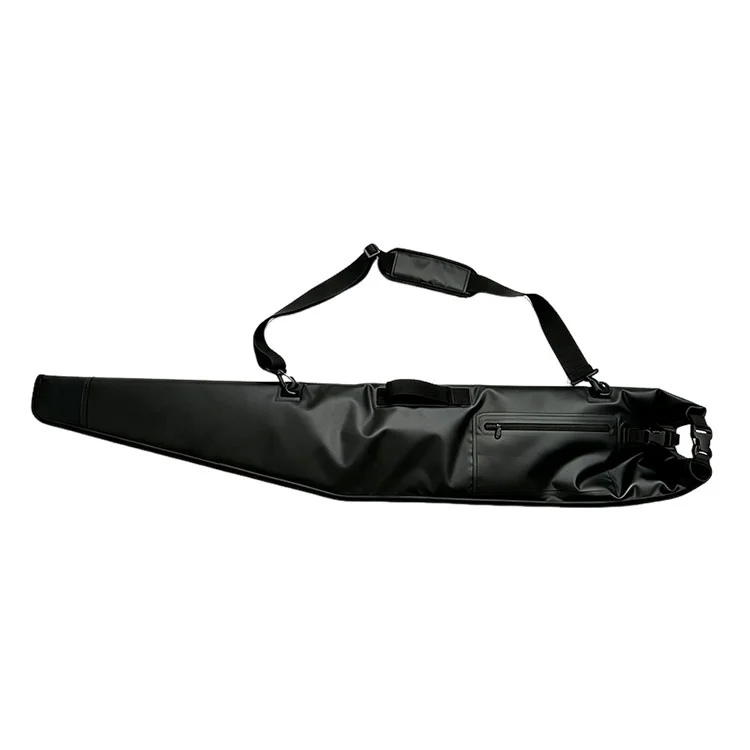
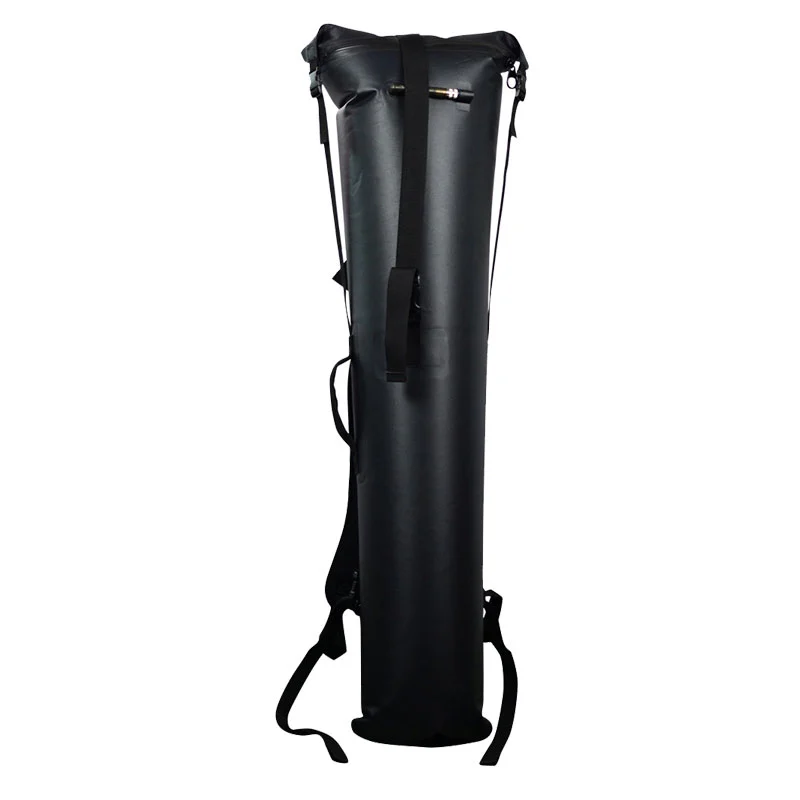
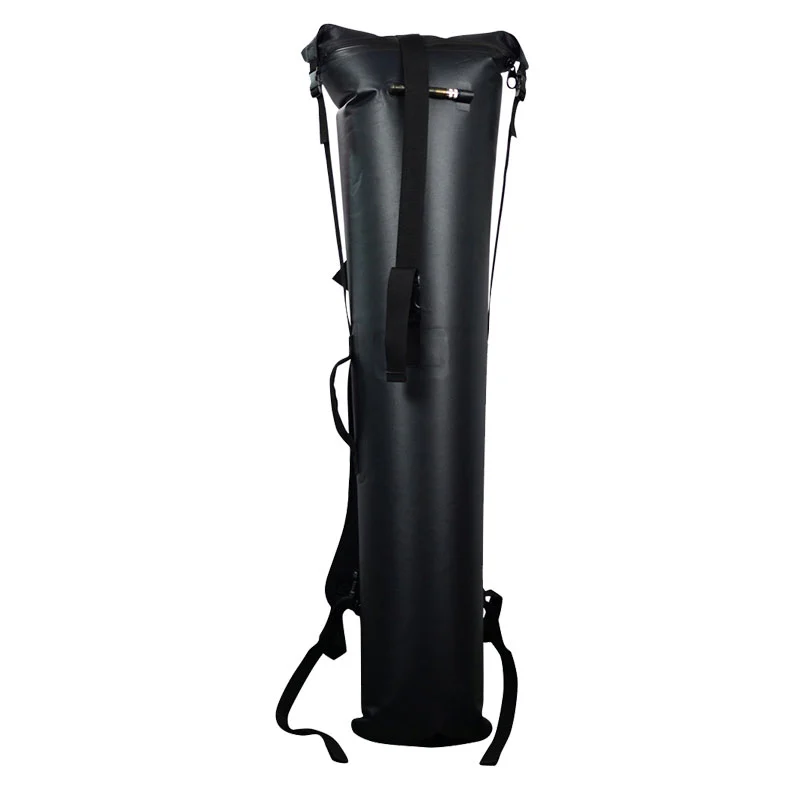
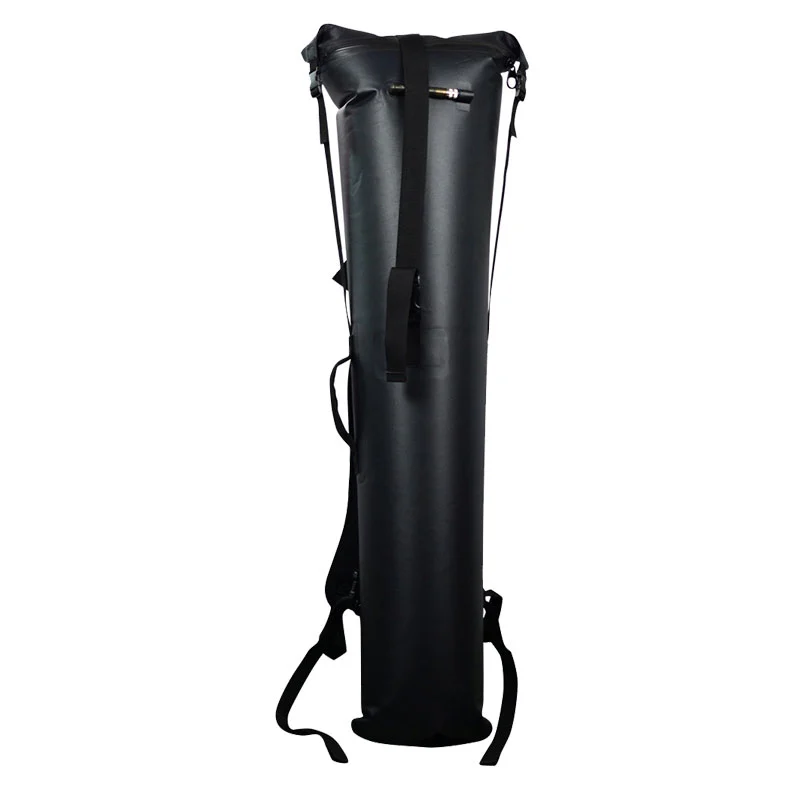
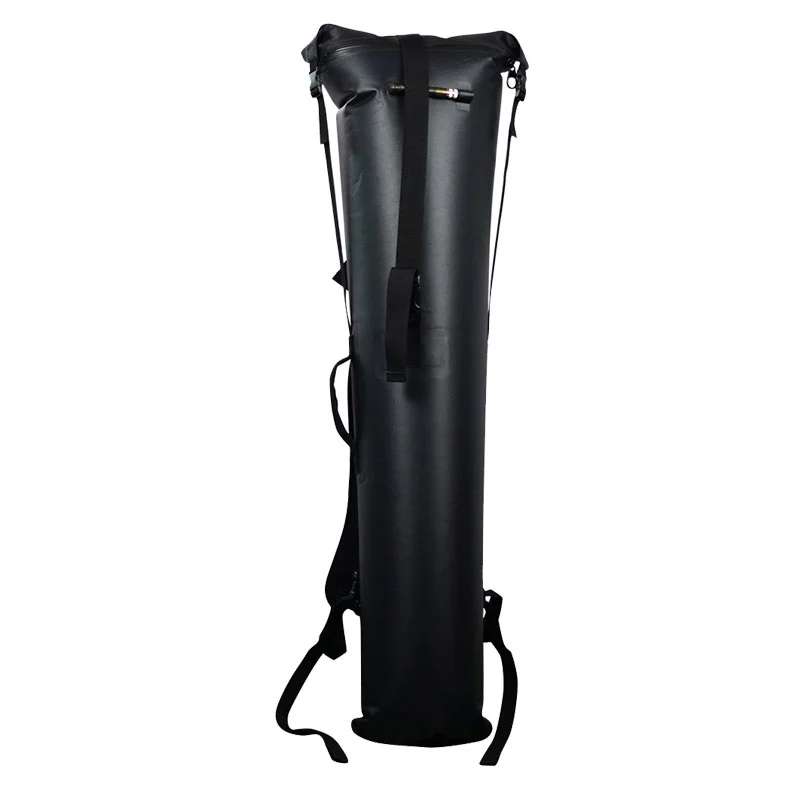
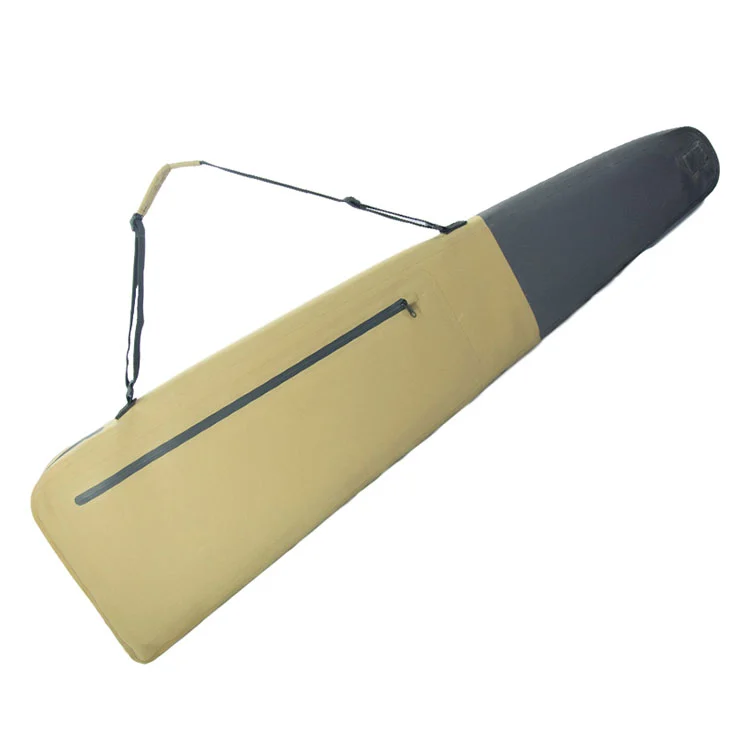
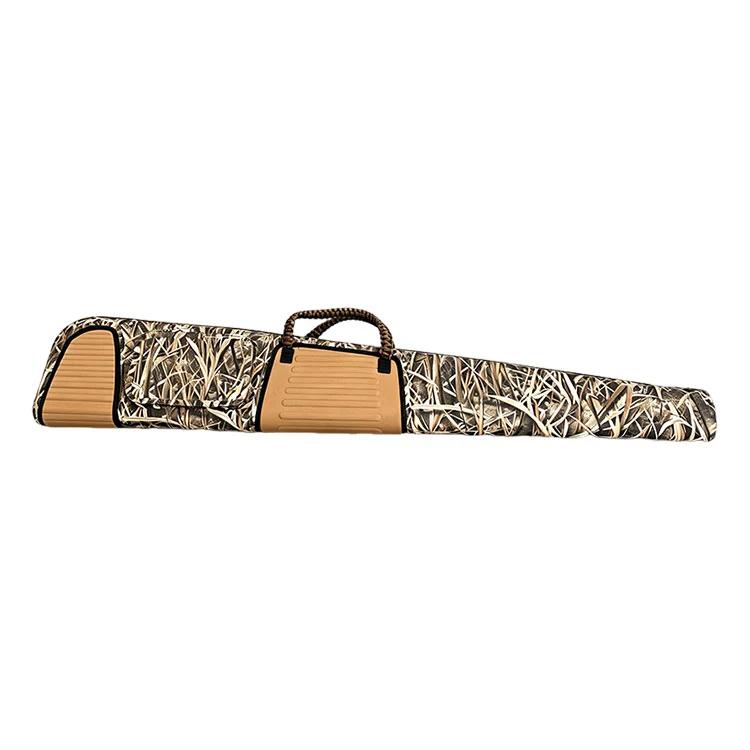
HF-Welded Rifle Dry Bag
  • HF-Welded Rifle Dry BagHF-Welded Rifle Dry Bag

HF-Welded Rifle Dry Bag

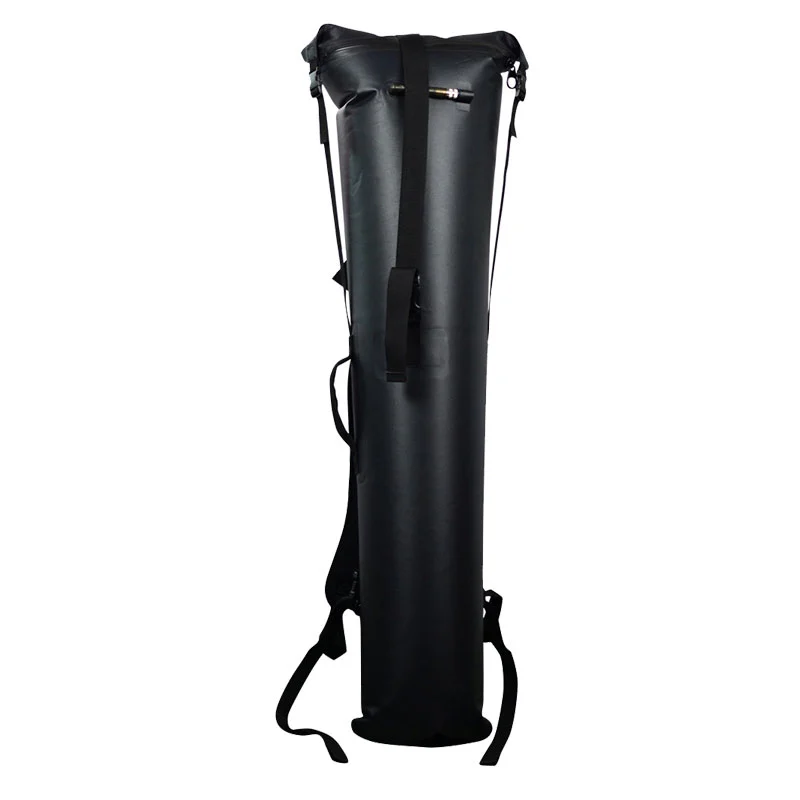
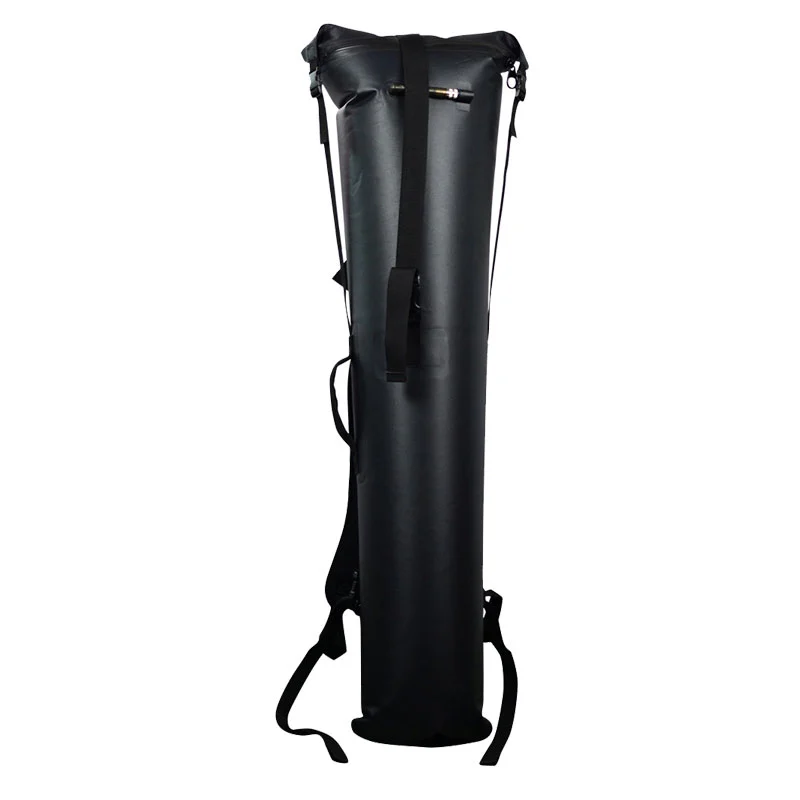
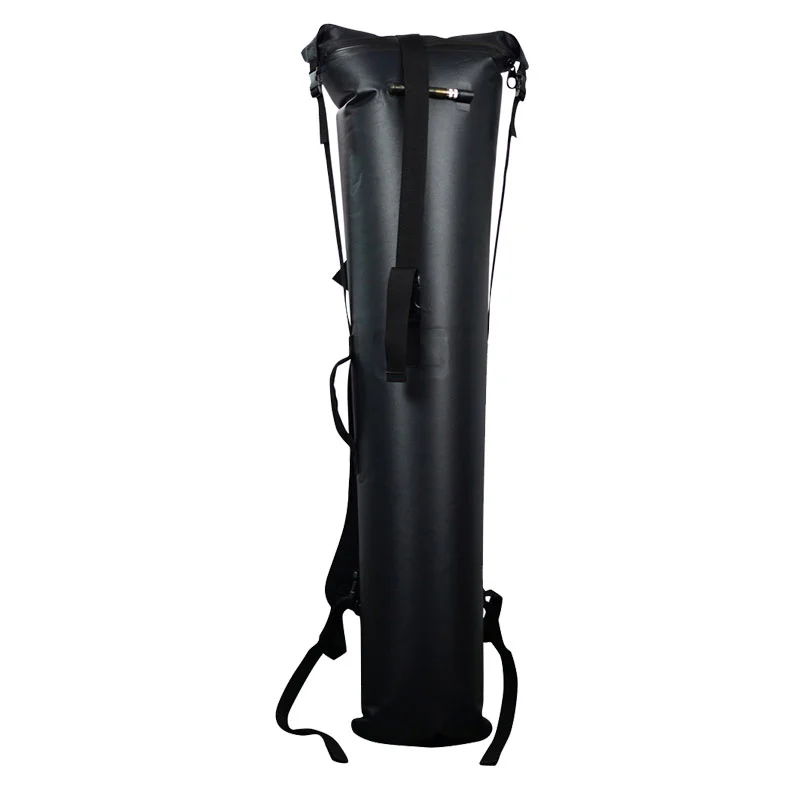
High-frequency welding at 27.12 MHz fuses TPU panels into one continuous section with zero needle perforations. Sealock runs these welding lines in-house rather than subcontracting, and trade buyers requesting a quote can audit the process at either plant. The SL-E302 HF-Welded Rifle Dry Bag is 130 × 25 cm, 60 L, 1.35 kg, IPX7. Contract manufacturing from 300 pcs.

A sewn waterproof bag carries several thousand needle perforations along its seams, held back by a tape strip and the adhesive under it. The SL-E302 has none. Its 840D TPU shell is joined by high-frequency welding, which fuses the polymer layers of two panels into one continuous section of material — there is no hole to cover and no tape to age.

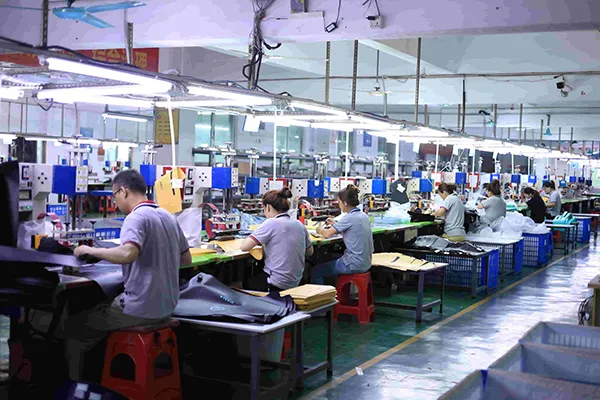
HF Welded Rifle Dry Bag High-frequency welding line, Dongguan facility

Build Data

Specification Value
Model SL-E302
Seam Method High-frequency (RF) welded
Stitch Perforations in Shell Zero
Shell Fabric 840D TPU laminated (500D PVC / 420D TPU optional)
Waterproof Rating IPX7 — immersion to 1 m for 30 minutes
Dimensions / Capacity 130 × 25 cm / 60 L
Net Weight 1.35 kg ± 0.15 kg
Weld Verification Destructive peel test, start of every run
MOQ / Sampling / Production 300 pcs / 7–10 days / 30–45 days

How High-Frequency Welding Works

High-frequency welding, also called RF or dielectric welding, generates heat inside the material rather than applying it from the outside. Industrial equipment operates in the ISM band at 27.12 MHz — the frequency allocated internationally for this class of process.

When TPU-laminated fabric passes between the electrodes, the alternating field reverses polarity roughly 27 million times per second. The polar molecules in the polymer attempt to realign with each reversal, and the internal friction of that motion generates heat evenly through the full thickness of the joint at the same moment. Under simultaneous electrode pressure, the softened layers flow together and re-solidify as a single section.

Process Variable Function Control
Frequency Drives molecular oscillation in the polymer 27.12 MHz, fixed by the equipment
Power Sets the rate of heat generation Set per fabric batch
Electrode pressure Forces the softened layers together Set per fabric batch
Dwell time Determines total energy into the joint Set per fabric batch
Cooling under pressure Allows the fused polymer to re-solidify as one piece Held before electrode release

Power, pressure, and dwell time are the three variables an operator can get wrong. All three are established for each incoming fabric batch and recorded, rather than left to individual judgement.

Why Only Some Fabrics Can Be RF Welded

The process depends on molecular polarity. A polymer whose molecules carry a dipole will respond to the alternating field and heat internally; a non-polar polymer will not respond at all, no matter how much power is applied.

Material RF Weldable Notes
TPU Yes Strongly polar; welds cleanly and consistently — our standard shell
PVC Yes Strongly polar; welds well, lower cost, heavier
PU coated Varies Depends on coating formulation and thickness
PE (polyethylene) No Non-polar; requires hot-air or ultrasonic methods
PP (polypropylene) No Non-polar; not suitable for RF welding
Nylon / uncoated polyester No Base fabric alone cannot be welded; requires a weldable laminate

This is why the shell is specified as TPU-laminated rather than as a plain woven fabric. The 840D woven base carries the abrasion resistance; the TPU laminate is both the waterproof barrier and the layer that makes welding possible. Weldability is confirmed on every incoming material at sampling before a project proceeds.

Welded Versus Sewn-and-Taped in Cross-Section

The difference is structural rather than a matter of degree. A sewn seam is two pieces of material held adjacent by thread, with the resulting holes bridged by an adhesive tape. A welded seam is one piece of material.

HF Welded Rifle Dry Bag Seam cross-section: sewn and taped compared with HF welded
Property HF Welded Sewn + Seam Tape
Needle perforations None Several thousand per seam
Sealing mechanism Material fused into one piece Adhesive tape bridging the holes
Layers that can fail One — the material itself Three — thread, tape, adhesive
Ageing behaviour No adhesive present to degrade Adhesive degrades under UV, heat cycling, flexing, washing
Typical end-of-life failure Abrasion through the fabric Tape lifts; perforations reopen
Seam strength Weld zone at or above parent material Limited by thread and tape adhesion
Cleaning tolerance Rinse and scrub freely Aggressive cleaning lifts tape
Process repeatability Machine-set parameters, recorded per batch Depends on operator and tape application

Weld Quality Control

A weld that looks correct can still be under-welded. Verification is destructive and the acceptance criterion is unambiguous.

Inspection Point Method Frequency
Peel test acceptance criterion:on a correctly welded sample the parent fabric tears before the weld separates. A seam that opens cleanly along the weld line indicates insufficient energy into the joint and triggers a parameter review before production continues.

Welding parameter records are retained per project and can be supplied as part of OEM quality documentation. Buyers are welcome to audit the welding line at either facility.

What Welding Allows That Sewing Does Not

Removing stitching from the waterproof shell changes how the rest of the bag can be built.

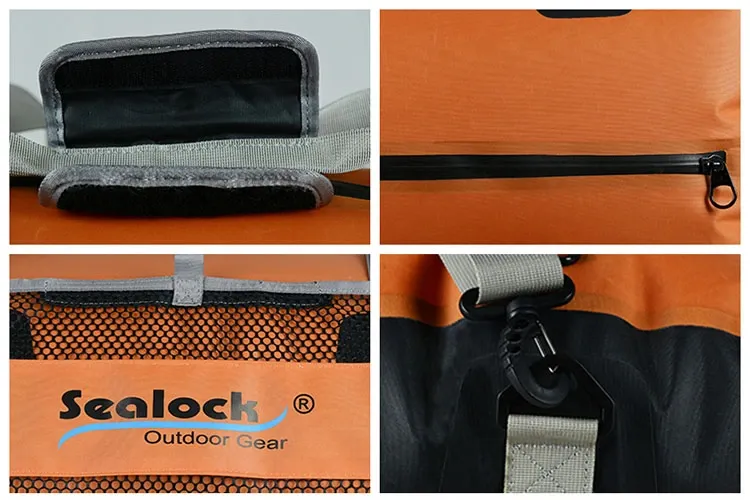
• Carry points are welded reinforcement patches, so load paths do not pierce the barrier — the strap system does not compromise the IPX7 rating

• The reinforced circular base is welded to the tube rather than sewn, leaving no seam line at the point of highest ground abrasion

• The interior has no seam ridges or exposed stitching to abrade a firearm finish

• Custom shapes and sizes are produced by making new electrode tooling rather than re-patterning a sewn assembly

• The finished bag tolerates hosing and scrubbing, since there is no tape edge for water pressure to work under

Manufacturing Capability

High-frequency welding is a capital-equipment process rather than a subcontracted operation. Our welding lines run in-house at both facilities.

Capability Detail
Welding lines In-house at Dongguan, China and Ho Chi Minh City, Vietnam
Electrode tooling Developed in-house for custom shapes and sizes
Material testing Weldability trial on every incoming batch
Parameter records Retained per project for OEM quality files
Factory audit Welding line and inspection process open to buyer audit
Third-party inspection SGS / QIMA arranged on request

Specification Sheet

Product Data

Item Specification
Model Number SL-E302
Product NameHF-Welded Rifle Dry Bag
Construction Method High-Frequency Welded Seams
Seam Type Continuous Fused Seam, No Stitching
Shell Material 840D TPU Laminated
Dimensions 130 × 25 cm
Usable Capacity 60 L
Net Weight 1.35 kg ± 0.15 kg
Waterproof Rating IPX7 — immersion to 1 m for 30 minutes
Closure Roll-Top, three folds, POM side-release buckles
Max Firearm Length 50 in (127 cm)
Carrying Style Hand / Shoulder / Backpack
OEM / ODM Supported

Materials and Weldability

Component Material Welding Behaviour / Function
Shell 840D TPU Laminated Strongly polar; welds cleanly; abrasion and hydrolysis resistant
Alternative shells 500D PVC / 420D TPU Both RF weldable; cost or weight optimised
Seams HF Welded Fused into one continuous section
Reinforcement Welded Patch Reinforcement Distributes load without piercing the shell
Base Welded Reinforced Circular Base No seam line at the highest-abrasion point
Buckles POM Side-Release Corrosion-free closure hardware

Tooling and Custom Work

Option Available Notes
Custom Size ✔ New electrode tooling developed as required
Shell Material ✔ 840D TPU / 500D PVC / 420D TPU
PVC-Free Specification ✔ TPU construction throughout
Welded Logo Patch ✔ Applied without piercing the shell
Logo Printing / Reflective ✔ Screen print, heat transfer, reflective
Pantone Colour Matching ✔ Confirmed at sampling
Accessory Pocket / Drain Valve ✔ Welded rather than sewn
Packaging / Private Label ✔ Colour box, printed carton, hang tag

Specified Where Failure Is Costly

Welded construction is specified where waterproof failure is unacceptable or where a bag sees heavy repeat use:

Professional guide and outfitter fleets, duck and waterfowl hunting in flooded terrain, kayak, canoe, and boat transport, coastal and salt-water environments, tropical and high-humidity climates, rental programmes with high cycle counts, long-term storage in damp conditions, and markets with low tolerance for warranty returns.

From Fabric to Finished Shell

1. Incoming 840D TPU fabric inspection and weldability trial

2. Welding parameter setup for the batch — power, pressure, dwell recorded

3. First-article weld sample and destructive peel test

4. Precision cutting of cylindrical body panels

  • HF welding of shell seams

6. Welded reinforcement patch and base application

7. Buckle, webbing, and strap assembly

8. Functional immersion and closure verification

9. Final quality inspection and export packing

Weld Trials

Test Item Method Result
Seam Peel Destructive peel on welded sample Parent fabric tore before seam separation
IPX7 Immersion Sealed bag immersed to 1 m for 30 minutes No ingress at any welded seam
Seam Flex Fatigue Repeated flexing at the weld line No cracking or separation
Hydrolysis Resistance Extended warm humid exposure No seam softening or delamination
Low-Temperature Weld Integrity Flexed after 12 h at -20°C Seams intact, no brittle fracture
Scrub and Cleaning Repeated scrubbing of seam areas No degradation; no tape edge to lift
Patch Anchor Pull Sustained load at welded carry patches No separation of the welded patch
Abrasion Contact with rock, brush, boat decks Cosmetic wear only, seams unaffected

Packing and Terms

Item Specification
Individual packing PE protective bag
Carton 132 × 32 × 32 cm, 4 pcs, 5.4 kg net
Volume per unit 0.0338 m³
MOQ 300 pcs
Sample lead time 7–10 days
Production lead time 30–45 days
Trade terms EXW / FOB / CIF
Certifications ISO 9001, BSCI, SMETA, GRS (material dependent)

In the Box

Included Item Quantity
HF-Welded Rifle Dry Bag (SL-E302) 1
Adjustable Removable Shoulder Strap 1
Backpack Straps 1 set
Sealing Instruction Card 1
PE Protective Bag 1

Service and Documentation

• 12-month warranty against manufacturing defects, including weld seam integrity

• Welding parameter documentation available for OEM quality files

• Material weldability consultation during development

• Electrode tooling development for custom sizes and shapes

• Replacement POM buckles supplied for dealer service programmes

Project Record

Project:

Seam Tape Failure Replacement for a Tropical Guiding Operation

A guiding operation working in a hot, humid climate was replacing firearm bags roughly every season. The failure was consistent: seam tape lifting after repeated heat, humidity, and wash cycles, opening the needle perforations underneath on bags that had originally tested watertight.

They moved to the welded SL-E302 because there is no seam tape in the construction. The specification was upgraded to a heavier TPU grade for the humidity exposure and confirmed PVC-free at the customer's request.

  • Initial order: 400 pcs

• Customized features: Heavier TPU grade, PVC-free specification, welded logo patch

  • Sample lead time: 8 days
  • Production lead time: 45 days

• Outcome: No seam-related failures reported through the following season; operation standardised on the welded construction across its fleet

What Buyers Told Us

“We were replacing taped bags every season. There is no tape in this construction, so the failure mode we had simply does not exist.”

— Operations Manager, Hunting Guide Operation, Southeast Asia

“Showing buyers the welding line during the audit closed the deal. It is a process we own, not a claim we make.”

— Sourcing Agent, Australia

“The peel test criterion was what convinced our QC team — if the fabric tears before the seam, there is nothing left to argue about.”

— Quality Manager, Outdoor Equipment Importer

Technical Questions

1. What is high-frequency welding?

An electromagnetic field operating at 27.12 MHz reverses polarity roughly 27 million times per second. Polar molecules in the TPU attempt to realign with each reversal, and the internal friction generates heat through the full thickness of the joint at once. Under electrode pressure the softened layers fuse and re-solidify as one continuous section of material.

2. How is it different from heat taping or hot-air welding?

Heat taping bonds a separate adhesive strip over stitched seams and adds a layer that can peel. Hot-air welding heats the surface from outside. HF welding heats through the full joint thickness simultaneously and adds no extra layer, producing a more uniform bond with nothing to lift later.

3. Is a welded seam stronger than a sewn seam?

On correctly welded TPU the parent fabric tears before the weld separates in destructive peel testing, which means the weld is not the weakest point in the construction. That is the acceptance criterion we test to at the start of every run.

4. Why does seam tape fail over time?

Tape relies on adhesive, and adhesive degrades under UV exposure, heat cycling, repeated flexing, and washing. Once the tape lifts, the needle perforations beneath it are fully open. A welded seam has neither holes nor adhesive.

5. Can any waterproof fabric be RF welded?

No. The process requires molecular polarity. TPU and PVC weld well; polyethylene and polypropylene are non-polar and cannot be RF welded at all. Uncoated nylon or polyester requires a weldable laminate. Weldability is confirmed on every incoming batch.

6. Do you weld in-house or subcontract it?

All high-frequency welding runs on our own lines at Dongguan, China and Ho Chi Minh City, Vietnam. Buyers are welcome to audit the welding process, and parameter records can be included in OEM quality documentation.

7. How do you verify weld quality during production?

Parameters are set and recorded per fabric batch, a first-article sample is destructively peel-tested at the start of every run, weld appearance and edge definition are monitored in process, and finished bags undergo functional immersion verification.

8. Is the material PVC-free?

The standard 840D TPU construction can be supplied to a PVC-free specification for markets with stricter material requirements. Confirm the requirement at sampling so the correct material is quoted.

9. Do welded seams stiffen or crack in cold weather?

After twelve hours at -20°C the seams remained intact and flexible in testing, with no brittle fracture at the weld line.

10. Can the HF-Welded Rifle Dry Bag be scrubbed clean?

Yes. With no seam tape to lift, welded seams tolerate rinsing and scrubbing that would damage a taped bag — useful after salt, silt, or blood exposure.

11. Can welding produce custom shapes and sizes?

Yes. Electrode tooling is developed in-house for custom lengths, diameters, welded reinforcement, and logo patches as part of an OEM programme.

12. What are the commercial terms?

MOQ 300 pcs, samples in 7–10 days, production in 30–45 days, quoted EXW, FOB, or CIF. Full OEM and ODM development is supported including material specification, size, branding, accessories, and packaging.

Send Inquiry
Contact Info
Send your inquiry to Sealock, submit your requirements here. We provide prompt response support services for hunting equipment brands worldwide.
X
We use cookies to offer you a better browsing experience, analyze site traffic and personalize content. By using this site, you agree to our use of cookies. Privacy Policy
RejectAccept