Products
Roll-Top Waterproof Rifle Case
  • Roll-Top Waterproof Rifle CaseRoll-Top Waterproof Rifle Case

Roll-Top Waterproof Rifle Case

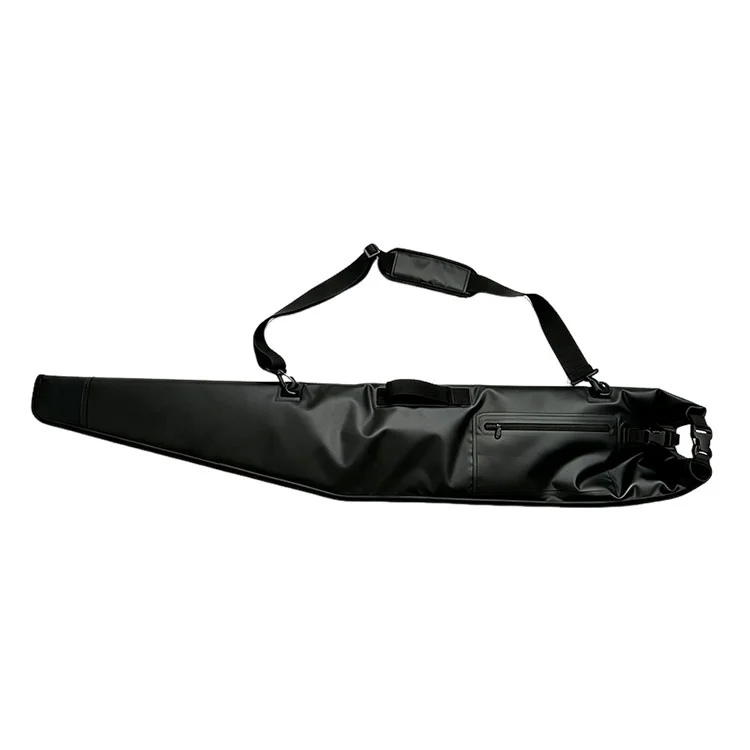
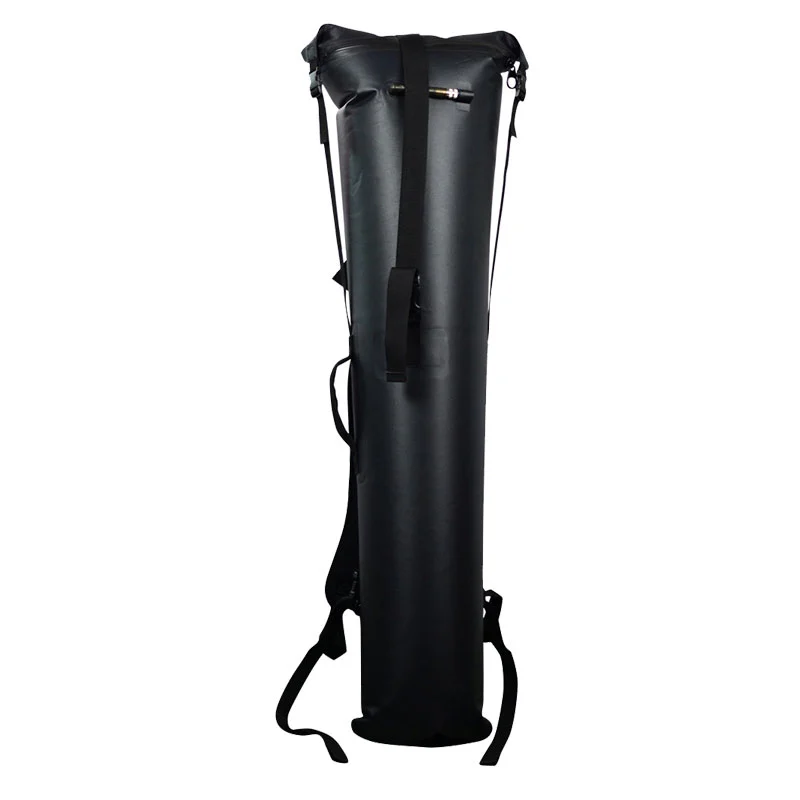
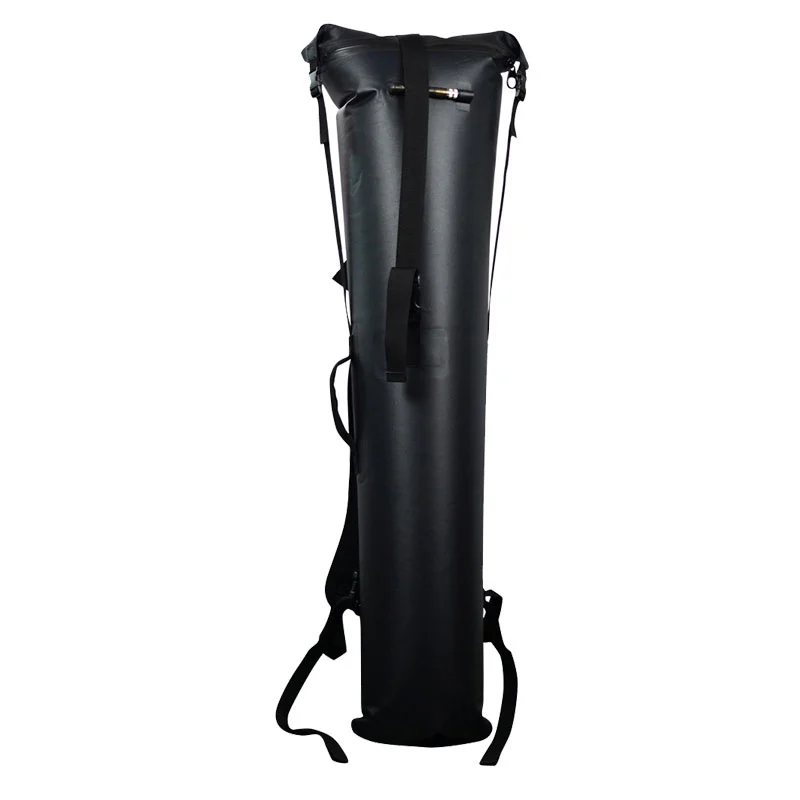
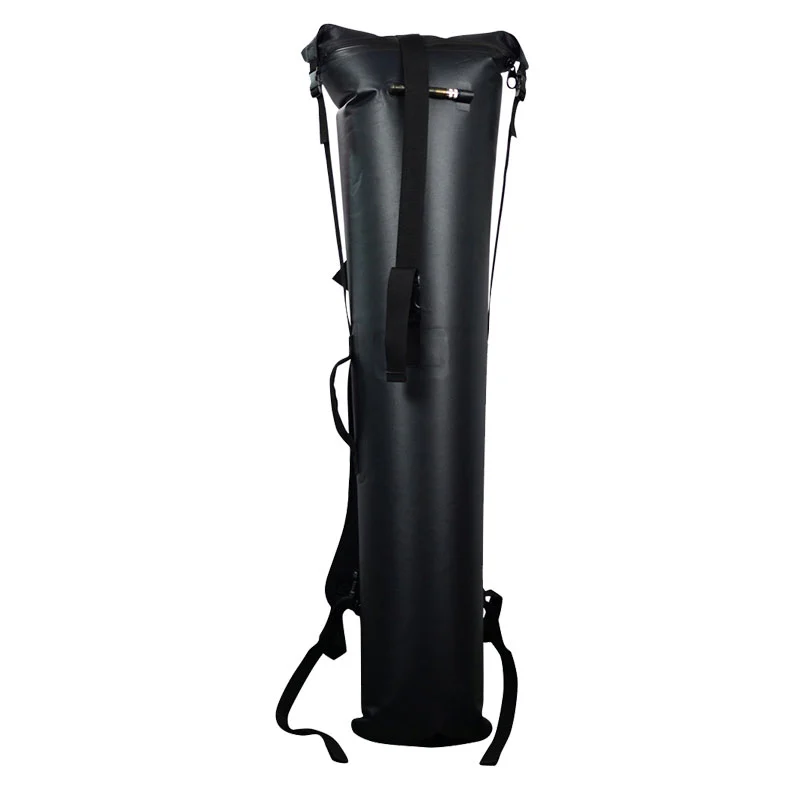
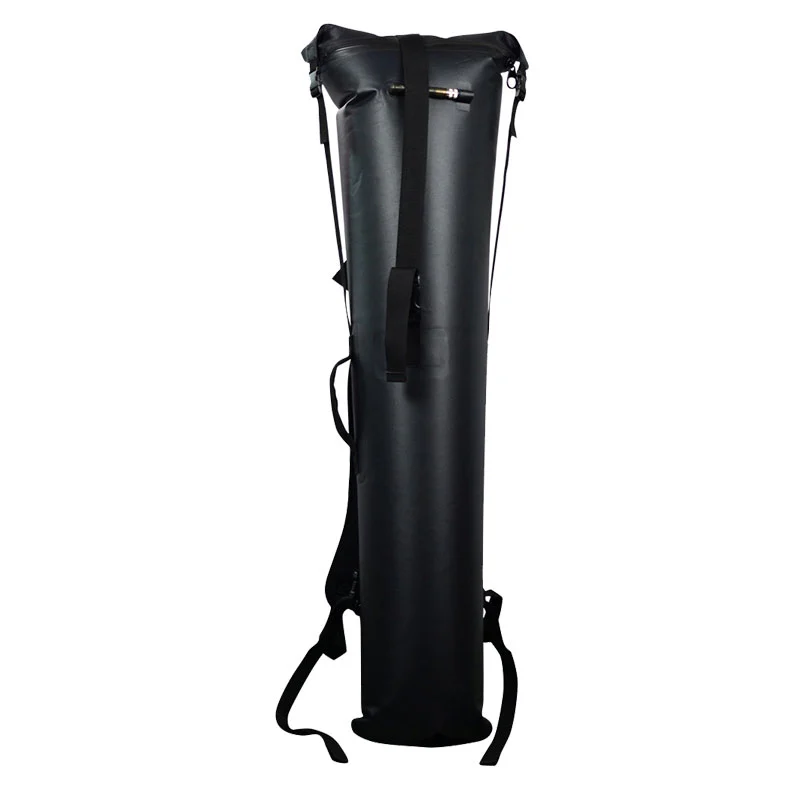
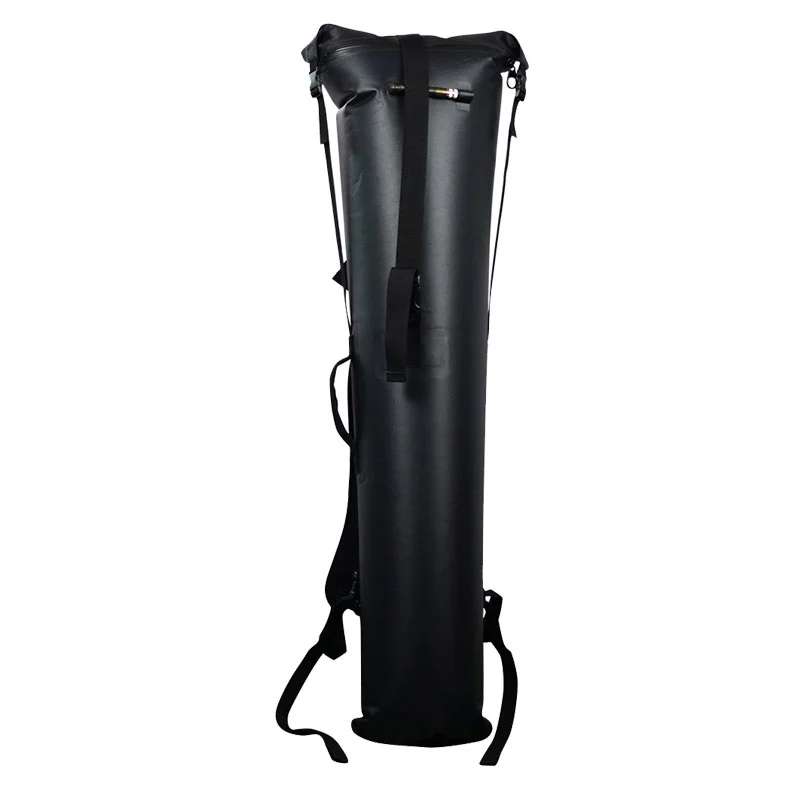
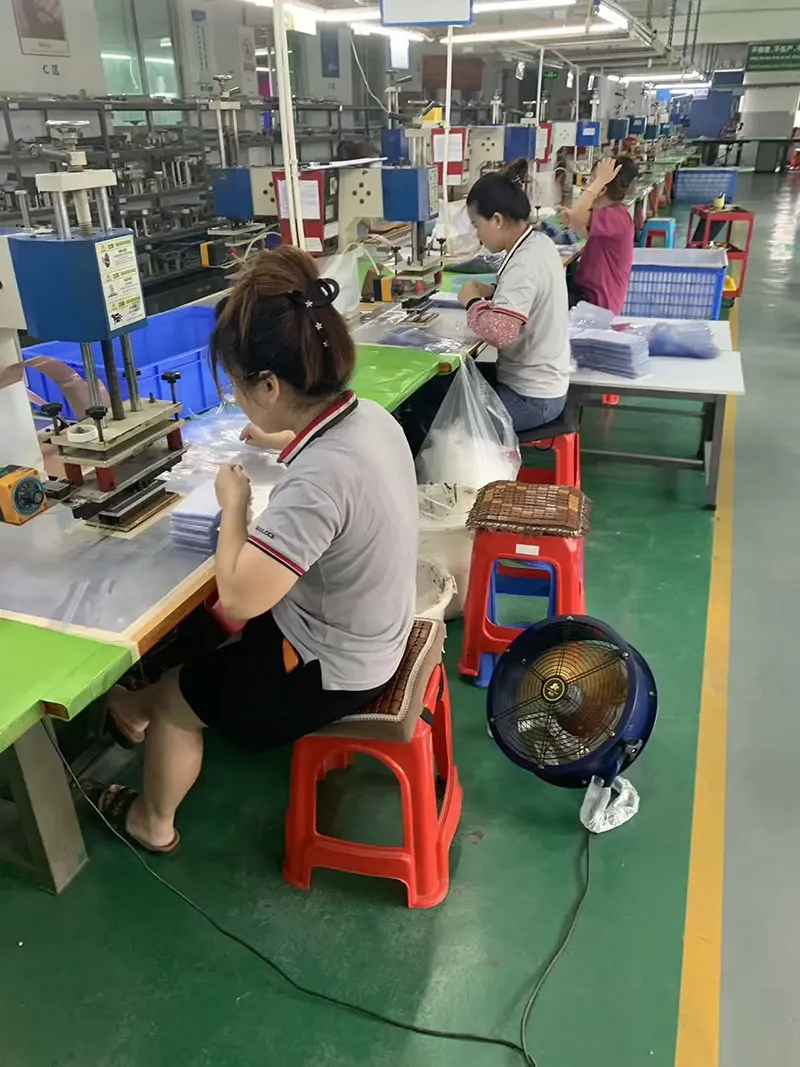
Buyers sourcing a roll-top waterproof rifle case in bulk work with Sealock as a direct factory partner. The SL-E302 seals without a zipper: the 39 cm flattened mouth folds and rolls three to four times before two POM buckles clip, on a 130 × 25 cm welded 840D TPU body rated IPX7. MOQ 300 pcs, 30–45 day production.

Every zippered gun case shares one component that will eventually fail: the zipper. Grit works into the teeth, salt corrodes the slider, cold stiffens the track, and a slider that has worn separates the teeth behind it. The SL-E302 removes that component entirely — the case has no zipper anywhere on the product.

The opening is closed by folding the 39 cm flattened mouth down and rolling it three to four times, then clipping two POM side-release buckles. Sealing pressure comes from compression across the full width of the opening and increases with each fold, which is what carries the IPX7 rating of one metre for thirty minutes.

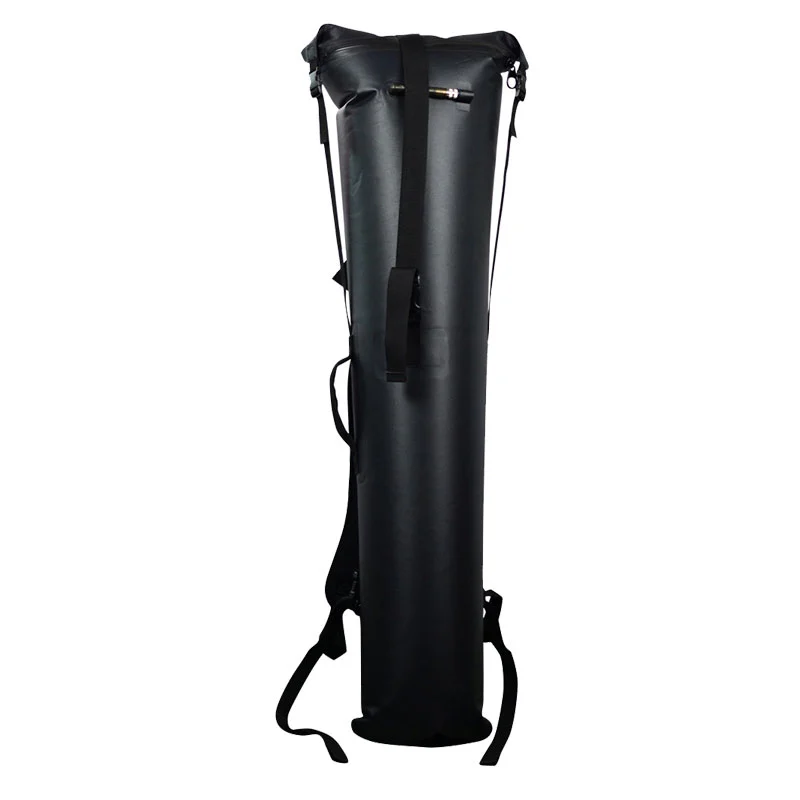
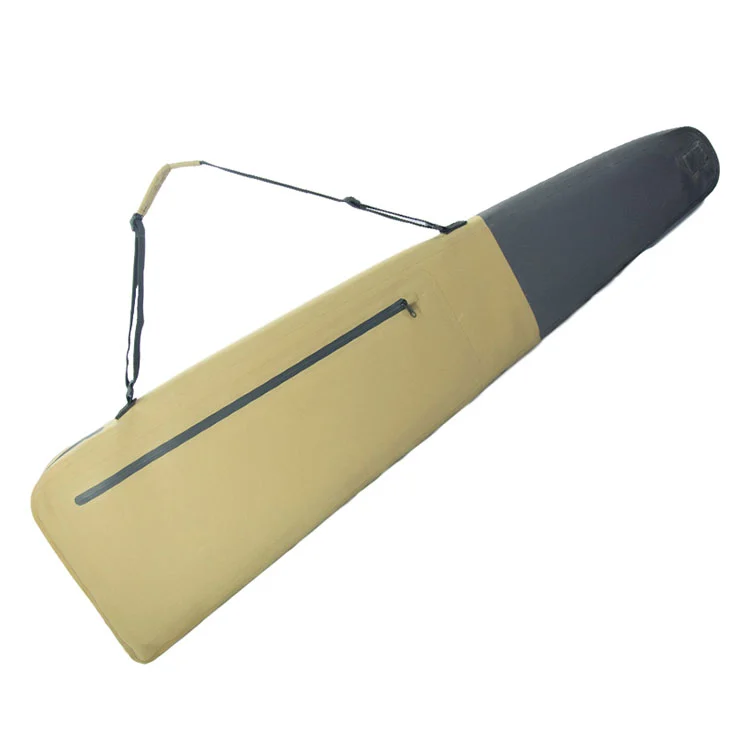
Roll-Top Waterproof Rifle Case SL-E302 with roll-top closure and backpack straps

The Numbers

Specification Value
Model SL-E302
Closure Roll-top, 3–4 folds, twin POM side-release buckles
Zipper None
Waterproof Rating IPX7 — immersion to 1 m for 30 minutes
Dimensions 130 × 25 cm (51.2 × 9.8 in)
Flattened Opening Width 39 cm
Net Weight 1.35 kg ± 0.15 kg
Shell 840D TPU laminated, RF welded
MOQ / Sampling / Production 300 pcs / 7–10 days / 30–45 days

Closing the Case: Four Steps

The sealing procedure is fixed and takes under fifteen seconds. It is printed on the instruction card supplied with each unit, and is the same in the dark, in gloves, or with cold hands.

1. Open the mouth to its full 39 cm flattened width

2. Fold the mouth down and press it flat so both faces meet evenly across the whole width

3. Roll the folded section down three to four times, keeping the roll straight

4. Clip the two POM side-release buckles together and draw the closure tight

Roll-Top Waterproof Rifle Case Roll-top sealing procedure: open, fold flat, roll 3–4 times, buckle
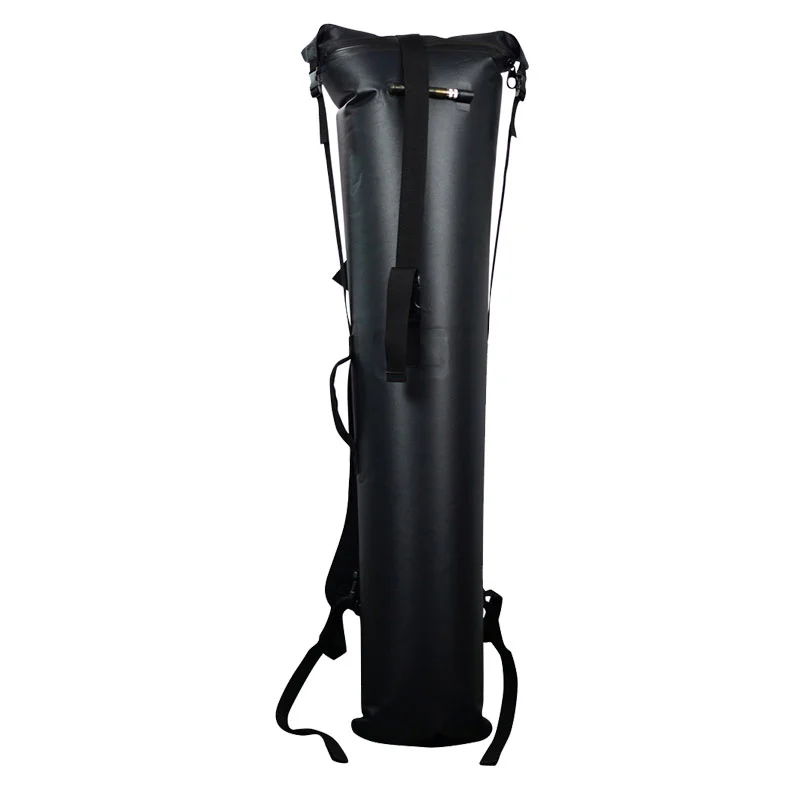
Three folds is the specified minimum. Comparison testing at two, three, and four folds found two folds insufficient to seal under immersion, while three produced consistent results.

Fold Count Sets the Internal Length

Each fold consumes roughly 5 cm of the 130 cm body. That is not a limitation but the adjustment mechanism: one case body covers a range of firearm lengths because the user decides how much of it to roll away.

Roll Folds Length Consumed Remaining Internal Length Suits Firearms Up To
3 (minimum seal) approx. 15 cm approx. 115 cm 45 in — full-length rifles and shotguns
4 approx. 20 cm approx. 110 cm 43 in — standard hunting rifles
5 approx. 25 cm approx. 105 cm 41 in — carbines and compact rifles
6 approx. 30 cm approx. 100 cm 39 in — short-barrel and youth rifles
7 approx. 35 cm approx. 95 cm 37 in — air rifles and takedown configurations

The 50 in (127 cm) maximum firearm length quoted in the specifications assumes the minimum three folds. Rolling further increases sealing pressure and removes slack, so a shorter firearm is held stable rather than sliding inside a 130 cm tube.

Failure Modes a Zipper Introduces

A zipper on a waterproof case is an assembly of tape, teeth, slider, pull, and end-stops. Each is a wear point, and each fails in a way the roll-top design does not have.

Condition Zippered Closure SL-E302 Roll-Top
Fine sand and grit Works into the teeth; binds No teeth; fold face wipes clean
Salt water Metal slider corrodes and pits POM buckles do not corrode
Sub-zero temperature Track stiffens; can freeze shut Fold and clip operable at -20°C
Slider wear Separates teeth behind it while closed No slider in the system
Water at depth Wicks along the zipper track No continuous track to follow
Field repair Generally not repairable Buckle replaceable by hand, no tools
Gloved operation Small pull; forcing causes damage Whole-hand fold and clip

Buckles are tested to 3,000 clip-and-release cycles under load and retained holding force with no cracking. Replacement POM buckles are supplied to dealers for service programmes — a damaged closure component is a five-minute swap rather than a written-off case.

Cold-Weather and Gloved Operation

After twelve hours conditioned at -20°C, the 840D TPU shell remained pliable and the closure could be folded, rolled, and clipped normally. The mechanism requires no fine motor control: the fold is made with the flat of the hand and the buckles are pressed with the thumb.

• 840D TPU laminate specified for low-temperature flexibility; does not stiffen to the point of cracking at -20°C

• No zipper track to freeze shut after a wet bag is left in a cold vehicle overnight

• Buckle latches sized for operation with heavy winter gloves

• Fold-and-roll motion uses the whole hand rather than a pinch grip

The Shell Behind the Closure

A sealed closure only performs if the body behind it is sealed. The SL-E302 body is cut from 840D TPU-laminated fabric and joined by RF welding, so there are no stitch perforations anywhere in the waterproof shell. Carry points attach to welded reinforcement patches rather than sewing through the barrier, and a reinforced circular base takes ground and deck abrasion.

Element Specification
Shell fabric 840D TPU laminated (500D PVC / 420D TPU optional)
Seam method RF welded
Stitch perforations in shell None
Base Reinforced circular welded base
Carry attachment Welded reinforcement patches
Weld verification Destructive peel test, start of every run

Carrying Configuration

Mode Hardware Application
Hand carry Reinforced centre webbing handle Loading, vehicle to boat, short moves
Shoulder carry Adjustable removable strap Short approaches, frequent transitions
Backpack carry Dual shoulder straps Long approaches, hands free for balance

Side compression straps stabilise the load once the closure is set, and all straps stow flat when the case is rolled down for storage.

Technical Detail

Product Data

Item Specification
Model Number SL-E302
Product Name Roll-Top Waterproof Rifle Case
Closure Type Roll-Top, twin POM side-release buckles
Recommended Folds 3–4 (3 minimum)
Waterproof Rating IPX7 — immersion to 1 m for 30 minutes
Dimensions 130 × 25 cm
Usable Capacity 60 L
Net Weight 1.35 kg ± 0.15 kg
Max Firearm Length 50 in (127 cm) at minimum fold count
Carrying Style Hand / Shoulder / Backpack
Colour Black / Pantone matched
OEM / ODM Supported

Materials

Component Material Function
Shell 840D TPU Laminated Waterproof barrier; flexible at -20°C
Seams RF Welded Continuous shell, no stitch perforations
Closure Edge Reinforced welded fabric edge Withstands repeated folding at the crease
Buckles POM Side-Release Corrosion-free; 3,000-cycle tested; field replaceable
Webbing Heavy-Duty Nylon Closure tension and carry load
Base Reinforced Circular Base Ground and deck abrasion

Closure and Build Options

Option Available Notes
Buckle Type and Colour ✔ Including oversized cold-weather latches
Closure Webbing Colour ✔ Contrast or brand-matched
Custom Size ✔ Length and diameter both adjustable
Shell Material ✔ 840D TPU / 500D PVC / 420D TPU
Logo Printing / Reflective Logo ✔ Screen print, heat transfer, reflective
Pantone Colour Matching ✔ Confirmed at sampling
Sealing Instruction Card ✔ Multilingual available
Packaging / Private Label ✔ Colour box, printed carton, hang tag

Where a Zipper Would Fail

A roll-top waterproof rifle case suits conditions where a zipper is the component most likely to fail:

Salt-marsh and coastal hunting, sandy and desert environments, sub-zero and freezing-rain conditions, kayak, canoe, and boat transport, river crossings and wet-ground movement, duck and waterfowl hunting in flooded terrain, aTV and snowmobile transport, and rental and fleet programmes where closure life determines replacement rate.

Assembly Sequence

1. 840D TPU fabric inspection and weldability confirmation

2. RF welding parameter setup for the fabric batch

3. First-article weld sample and destructive peel test

4. Precision cutting of body panels and closure edge

  • RF welding of shell seams

6. Closure edge reinforcement and forming

7. Reinforced base welding and patch application

8. Buckle, webbing, and compression strap installation

9. Roll-and-seal function verification

10. Final quality inspection and export packing

Inspection Points

Inspection Item Standard
Incoming Material Inspection (IQC) Every batch
First-Article Weld Peel Test Start of every run
Welded Seam Integrity 100%
Closure Edge Inspection 100%
Buckle Function Check 100%
Roll-and-Seal Verification 100%
Immersion Verification Per approved sampling plan
Packaging Inspection (OQC) 100%

Closure Trials

Test Item Method Result
Fold Count Comparison Sealed at 2, 3, and 4 folds, then immersed Three folds required for reliable sealing
IPX7 Immersion Sealed at 3 folds, immersed to 1 m for 30 min No ingress at closure or seams
Buckle Cycle 3,000 clip and release cycles under load Retained holding force, no cracking
Closure Fold Fatigue Repeated rolling at the same crease line No delamination or cracking at the fold
Cold Operation Folded and clipped after 12 h at -20°C Shell and closure remained pliable
Gloved Operation Sealed wearing heavy winter gloves Completed without fine motor control
Grit Contamination Sand applied to the fold face, then sealed Fold face wiped clean; seal unaffected
Salt-Water Exposure Immersion in salt water, rinsed and dried No buckle corrosion

Roll-Top Compared with a Waterproof Zipper

Factor Roll-Top (SL-E302) Waterproof Zipper
Sealing principle Compression across full opening width Single sealed track
Moving parts Two buckles Slider, teeth, end-stops
Internal length Adjustable by fold count Fixed
Grit tolerance Wipes clean Binds and wears
Salt tolerance POM does not corrode Metal components corrode
Operation at -20°C Normal May stiffen or freeze
Field repair Buckle swap, no tools Generally not repairable
Opening speed 3–4 folds to undo Faster

A zipper opens faster. Buyers serving cold, coastal, or sandy markets generally weight the other seven rows more heavily.

Packing and Terms

Item Specification
Individual packing PE protective bag
Carton 132 × 32 × 32 cm, 4 pcs, 5.4 kg net
Volume per unit 0.0338 m³
MOQ 300 pcs
Sample lead time 7–10 days
Production lead time 30–45 days
Trade terms EXW / FOB / CIF
Third-party inspection SGS / QIMA on request

In the Box

Included Item Quantity
Roll-Top Waterproof Rifle Case (SL-E302) 1
Adjustable Removable Shoulder Strap 1
Backpack Straps 1 set
Sealing Instruction Card 1
PE Protective Bag 1

Service and Support

• 12-month warranty against manufacturing defects, including welded seams and closure edge

• Replacement POM buckles supplied for dealer service programmes

• Welding parameter records retained per project for OEM quality files

• Closure hardware consultation for cold-weather and fleet programmes

• Multilingual sealing instruction cards available

Project Notes

Project:

Closure Replacement Programme for a Northern European Distributor

A distributor serving cold-climate hunting markets was processing warranty claims on zippered waterproof cases where the failure was consistently the same: zippers frozen shut after a wet case was left overnight in an unheated vehicle, then forced the next morning until the slider or tape gave way.

They moved to the SL-E302 specifically because it has no zipper. The order specified oversized buckle latches for gloved operation and a multilingual sealing card, since the closure procedure was new to their customers.

  • Initial order: 600 pcs

• Customized features: Oversized cold-weather buckle latches, high-contrast closure webbing, four-language sealing card

  • Sample lead time: 9 days
  • Production lead time: 42 days

• Outcome: Closure-related warranty claims fell to zero over the following winter season; repeat order placed for the next season

What Buyers Told Us

“Our claims were all the same failure — a zipper frozen shut and then forced. Removing the zipper removed the claim.”

— Product Manager, Hunting Equipment Distributor, Northern Europe

“Customers liked that one case covers several rifle lengths. Fewer sizes for us to stock, and the fold count explains itself at the counter.”

— Retail Buyer, Outdoor Chain

“We buried the fold face in sand, wiped it, and sealed it. A zipper would have needed a rinse and a brush before it ran again.”

— Equipment Buyer, Desert Hunting Outfitter

What Buyers Ask

1. How many folds are required to seal the case?

Three is the specified minimum. Comparison testing at two, three, and four folds found two insufficient under immersion while three sealed consistently. Three to four folds is the working recommendation, and three folds is the basis of the IPX7 rating.

2. How does fold count affect the internal length?

Each fold consumes roughly 5 cm of the 130 cm body. At three folds approximately 115 cm of internal length remains, at five folds approximately 105 cm, and at seven folds approximately 95 cm. That is the adjustment mechanism — one body covers firearms from air rifles to 50 in shotguns.

3. Why choose a roll-top over a waterproof zipper?

A zipper is the component most likely to fail in the field. It binds with grit, corrodes in salt, stiffens or freezes in cold, and a worn slider separates the teeth behind it. The roll-top has two buckles and no teeth, slider, or track.

4. Is it slower to open than a zipper?

Yes, by the time it takes to unclip two buckles and unroll three to four folds. That is the deliberate trade for a closure that keeps working after seasons of sand, salt, and freezing conditions.

5. Does it work with winter gloves?

Yes. After twelve hours at -20°C the shell and closure remained pliable, and the fold-and-clip motion uses the whole hand rather than a pinch grip. Oversized buckle latches are available as an OEM option for cold-weather markets.

6. What happens if a buckle breaks in the field?

The buckle is replaceable by hand without tools, and replacement POM buckles are supplied to dealers for service programmes. A damaged closure component is a five-minute swap rather than a written-off case.

7. How durable are the buckles?

Tested to 3,000 clip-and-release cycles under load with no loss of holding force and no cracking. POM does not corrode in salt water or salted road spray.

8. Will the fabric crack where it is folded repeatedly?

The closure edge is reinforced and the 840D TPU laminate is specified for fold fatigue resistance. Repeated rolling at the same crease produced no delamination or cracking in testing. Storing the case unrolled between uses further extends closure life.

9. Does grit in the fold face break the seal?

Sand applied to the fold face and then sealed did not affect the seal in testing, and the face wipes clean. Debris trapped in the fold should still be cleared before sealing, and this is covered on the instruction card.

10. Is the shell waterproof on its own?

The shell is 840D TPU laminated and RF welded with no stitch perforations anywhere in the waterproof body. Carry points attach to welded reinforcement patches rather than sewing through the barrier.

11. Can the closure hardware be customized?

Yes. Buckle type, size, and colour, closure webbing colour, and the sealing instruction card are all customizable. Cold-weather markets commonly specify oversized latches.

12. What are the commercial terms?

MOQ 300 pcs, samples in 7–10 days, production in 30–45 days, quoted EXW, FOB, or CIF. Full OEM and ODM development is supported including size, material, closure hardware, branding, and packaging.

Send Inquiry
Contact Info
Send your inquiry to Sealock, submit your requirements here. We provide prompt response support services for hunting equipment brands worldwide.
X
We use cookies to offer you a better browsing experience, analyze site traffic and personalize content. By using this site, you agree to our use of cookies. Privacy Policy
RejectAccept