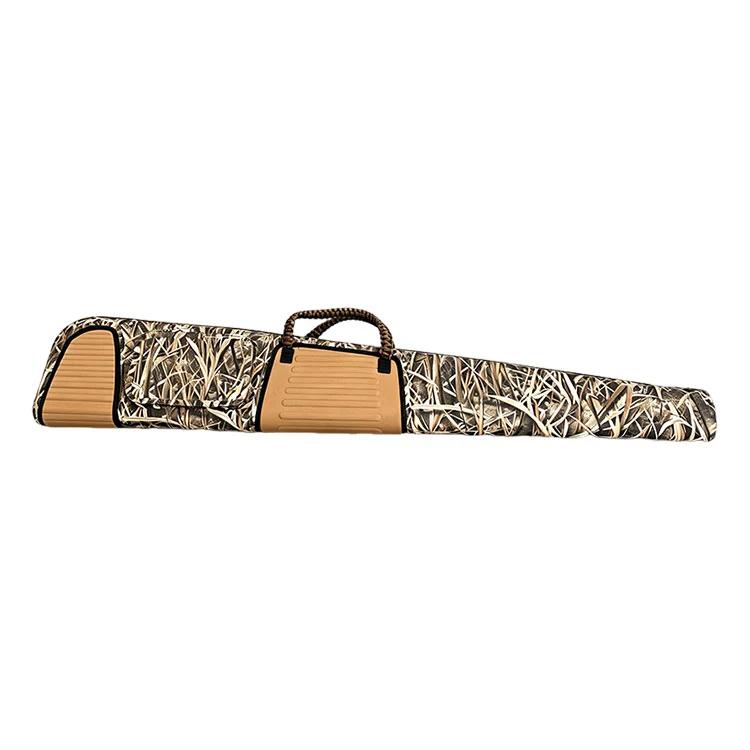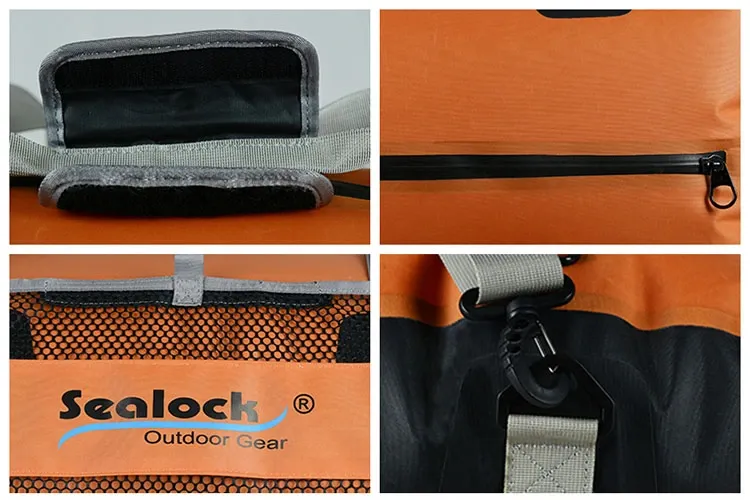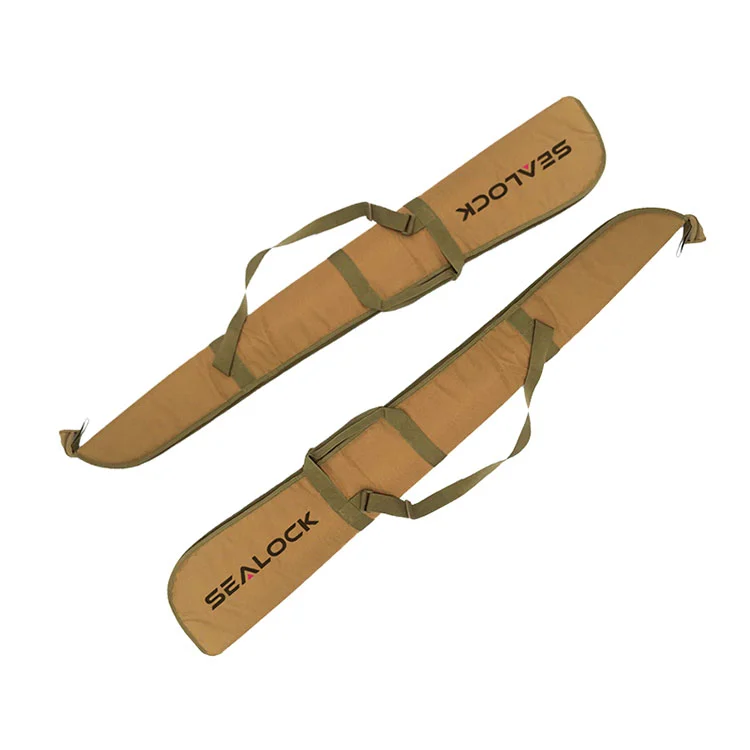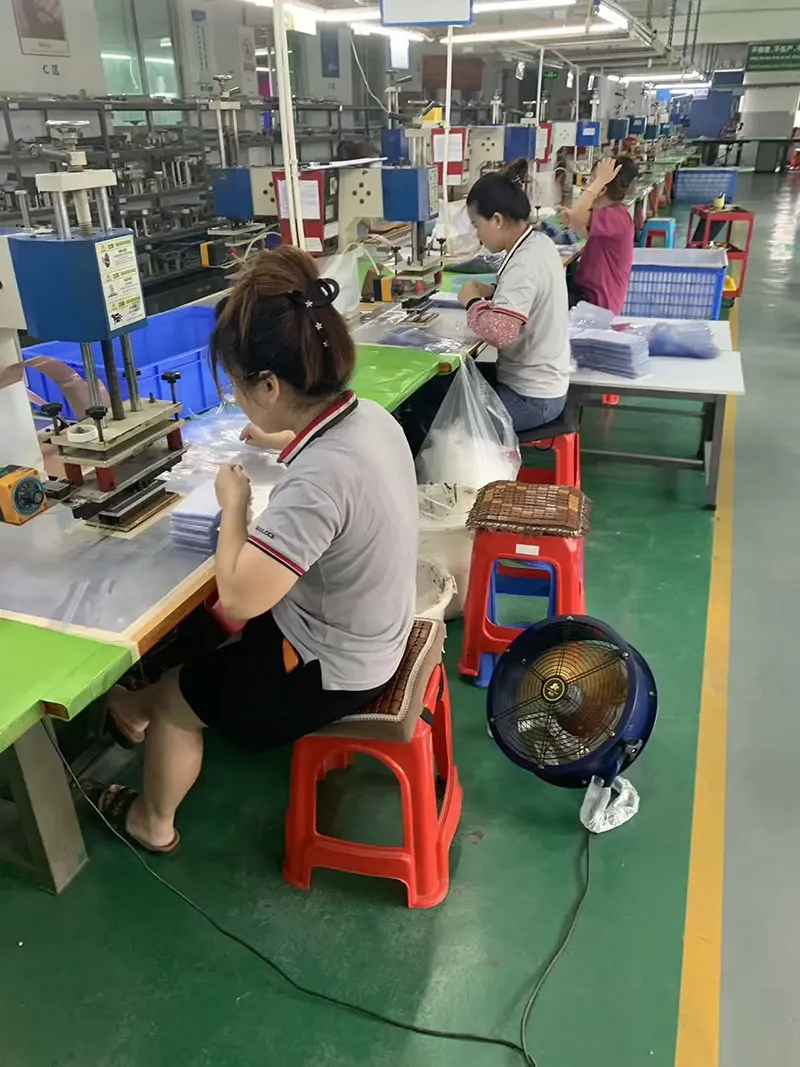
Most hunting bags are made from 600D polyester, brushed tricot fabric, TPU-coated fabric, or camouflage Oxford fabric. Material selection depends on the intended environment, weather resistance requirements, and budget.
Yes. Manufacturers can produce hunting bags with Realtree®, Mossy Oak®, digital camouflage, woodland camouflage, and custom camouflage designs supplied by the customer.
The standard MOQ usually ranges from 300 to 1000 pieces per style, depending on materials, printing methods, and customization requirements.
Most hunting bags are water-resistant. For extreme weather applications, manufacturers can use TPU laminated fabrics, waterproof zippers, and RF-welded construction to improve waterproof performance.
Yes. Many hunting backpacks can be designed with rifle scabbards, bow holders, weapon retention straps, and quick-access carrying systems according to customer specifications.
Common capacities include:
• 20L–35L for day hunting
• 40L–60L for weekend hunting trips
• 70L–100L+ for extended backcountry hunting expeditions
Sample development typically takes 7–15 days. Mass production usually requires 30–45 days after sample approval and deposit confirmation.
Yes. Licensed camouflage patterns can be used when customers provide authorization or licensing documentation from the pattern owner.
Manufacturers commonly perform:
• Fabric abrasion testing
• Seam strength testing
• Buckle load testing
• Water resistance testing
• Color fastness testing
• Low-temperature performance testing
Common customization options include:
• Logo printing
• Embroidery
• Rubber patches
• Custom camouflage printing
• MOLLE webbing systems
• Modular pouch attachments
• Custom packaging
A hunting backpack is optimized for carrying hunting gear, game meat, optics, and outdoor equipment, while a tactical backpack focuses on military-style organization, MOLLE compatibility, and mission-oriented load carrying.
Yes. Premium hunting bags are designed to maintain flexibility in low temperatures and can be equipped with insulated compartments and weather-resistant materials.
Yes. Brushed tricot and other low-noise fabrics are frequently used to reduce sound during movement and improve stealth while hunting.
Hunting backpacks may use:
• Internal aluminum frames
• Carbon fiber frames
• External frame systems
• Frameless lightweight designs
The choice depends on load requirements and hunting style.
Yes. Specialized hunting backpacks can include expandable meat shelves, load-hauling frames, blood-resistant liners, and heavy-duty compression systems.
Popular features include:
• Waterproof compartments
• Rifle carry systems
• Bow holders
• Hydration compatibility
• MOLLE webbing
• Silent fabric construction
• Lightweight frame systems
• High-visibility safety panels
Yes. Most hunting bag factories offer both OEM production based on customer designs and ODM solutions using existing product platforms.
Many international buyers look for manufacturers with:
• BSCI
• SMETA
• ISO 9001
• GRS
Typical packaging includes:
• Individual polybags
• Hang tags
• Color boxes
• Export cartons
• Custom retail packaging
Packaging specifications can be customized according to brand requirements.
Buyers should evaluate:
• Factory production capacity
• Material sourcing capability
• Quality control procedures
• Sample development speed
• Customization capability
• Compliance certifications
• Lead times
• Export experience
• Tariff and logistics options