Products
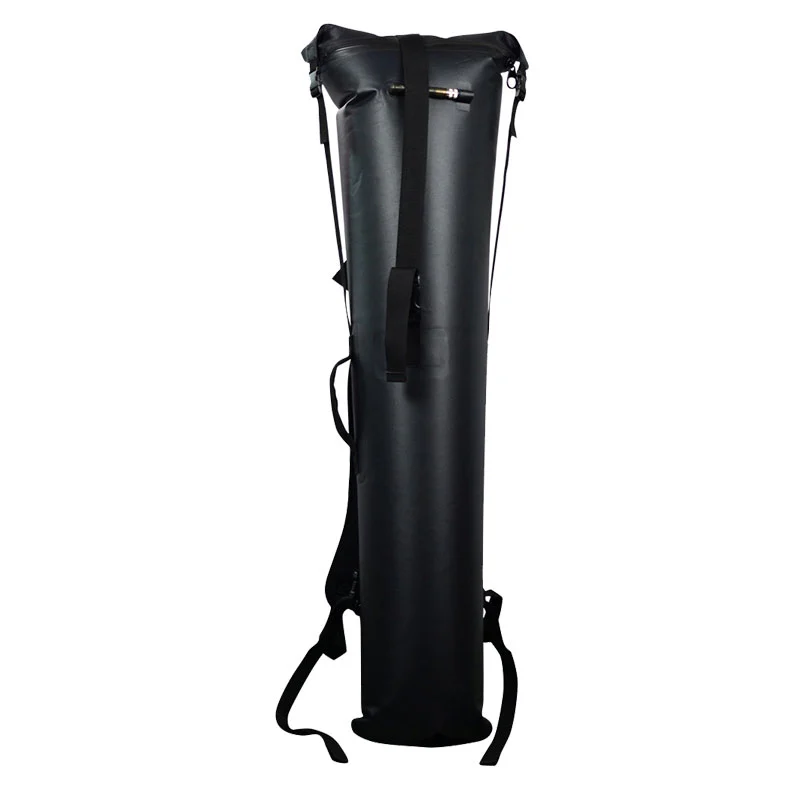
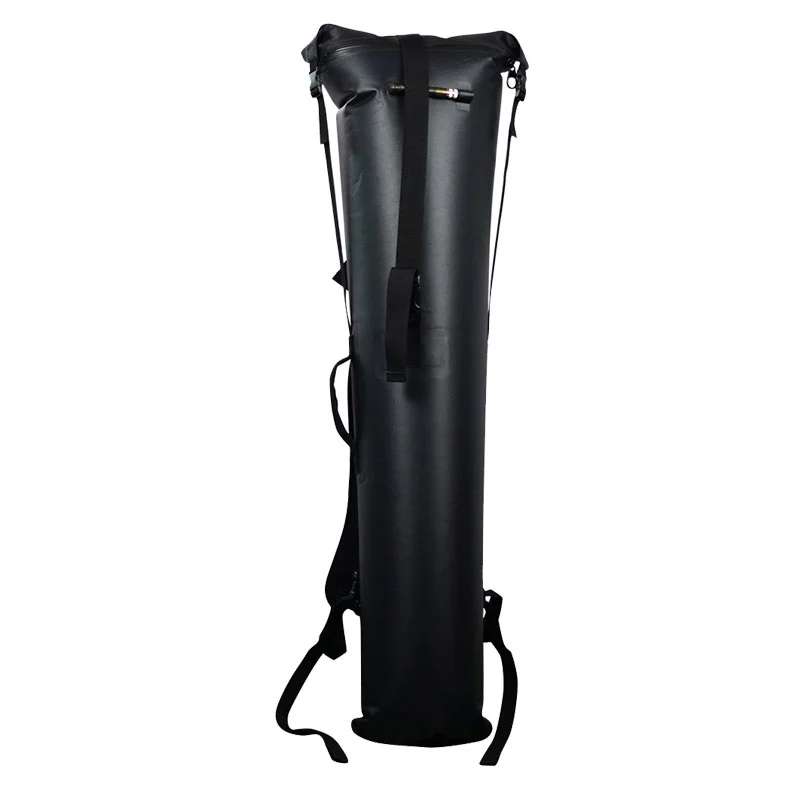
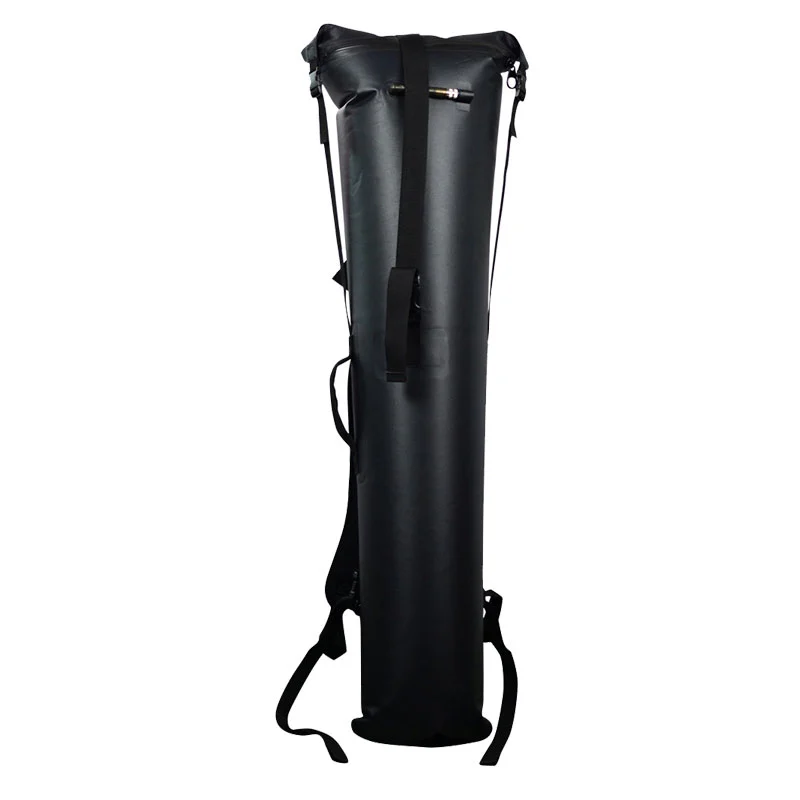
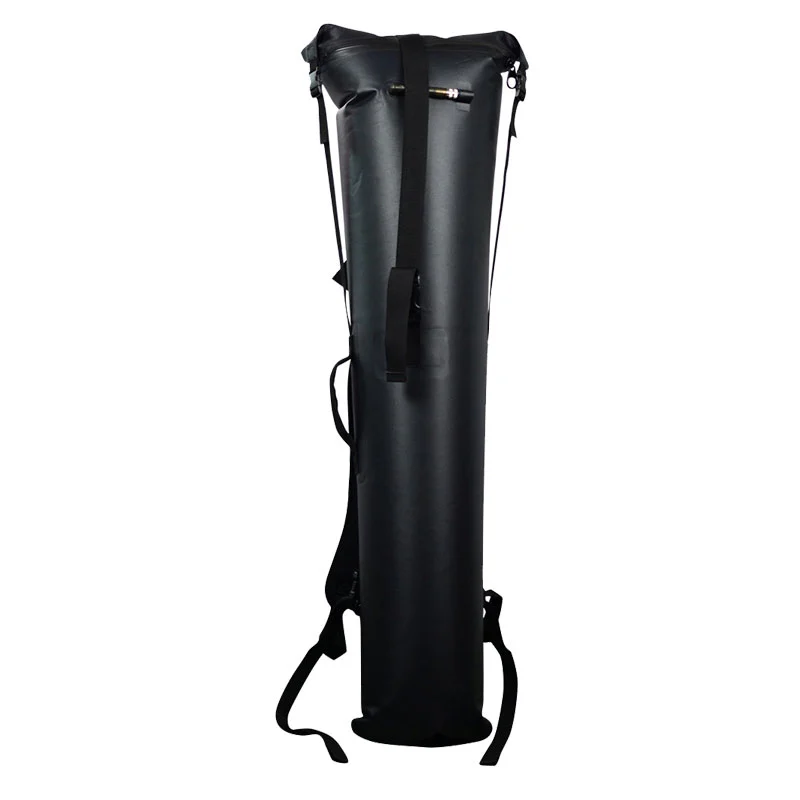
Waterproof Zippered Gun Slip
  • Waterproof Zippered Gun SlipWaterproof Zippered Gun Slip

Waterproof Zippered Gun Slip

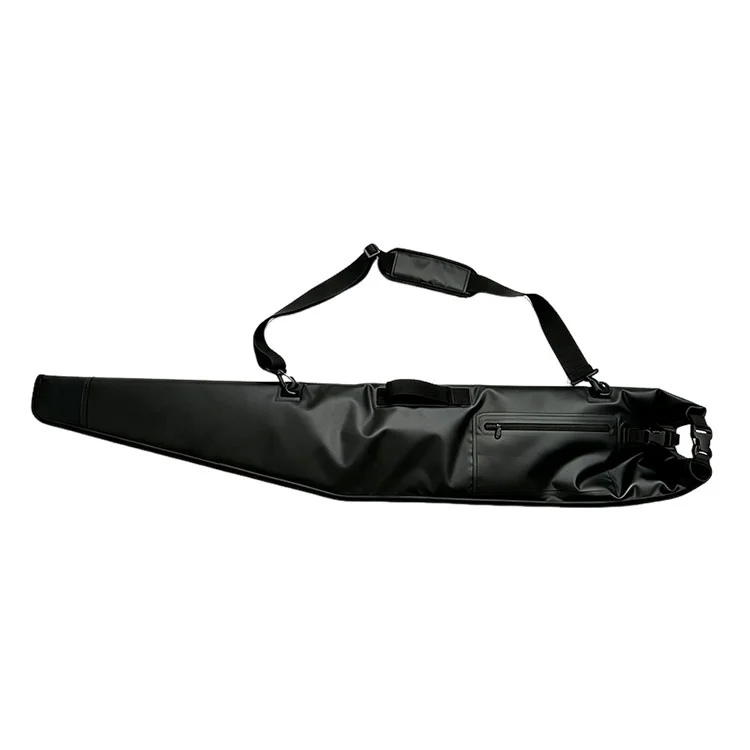
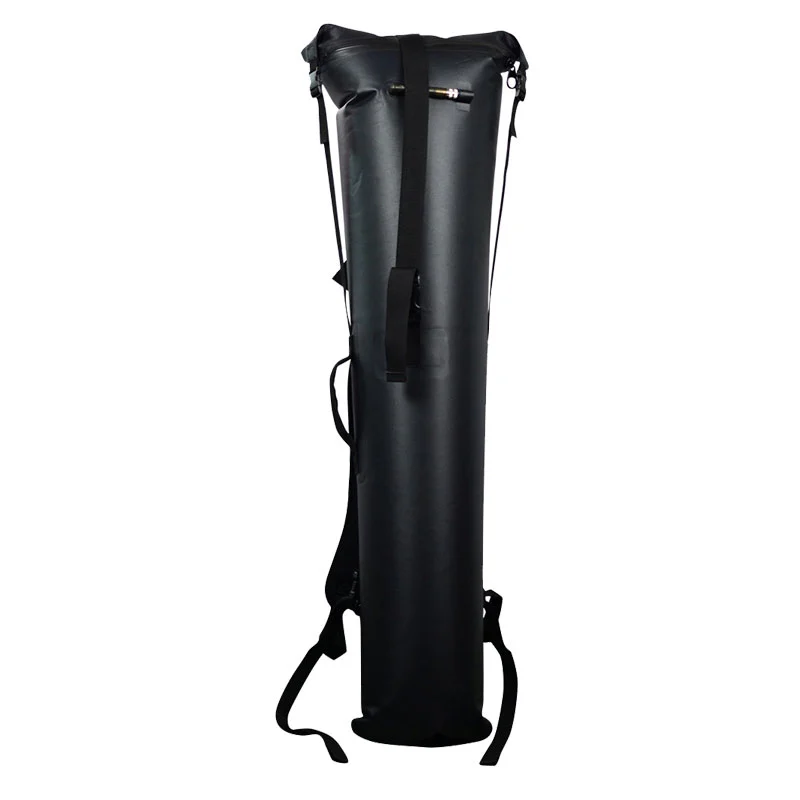
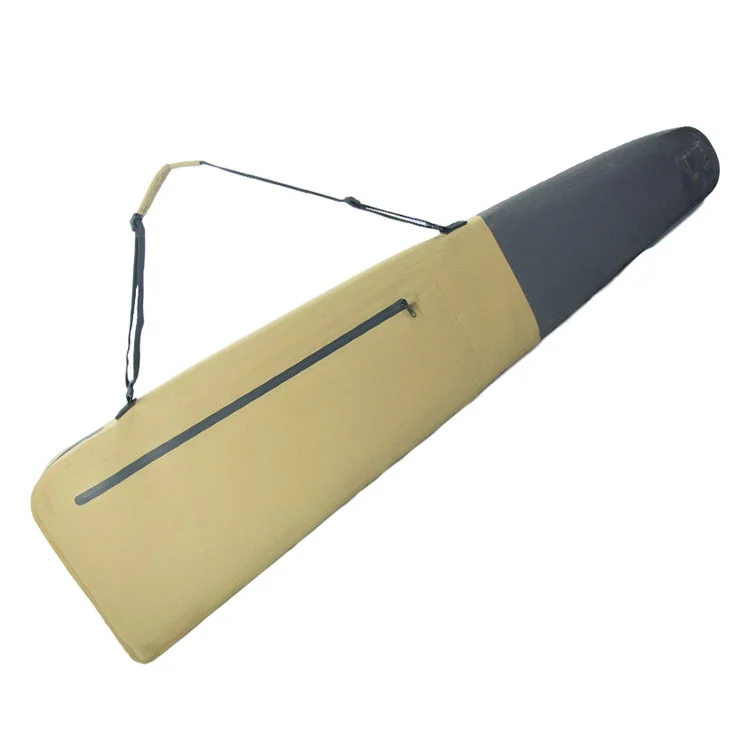
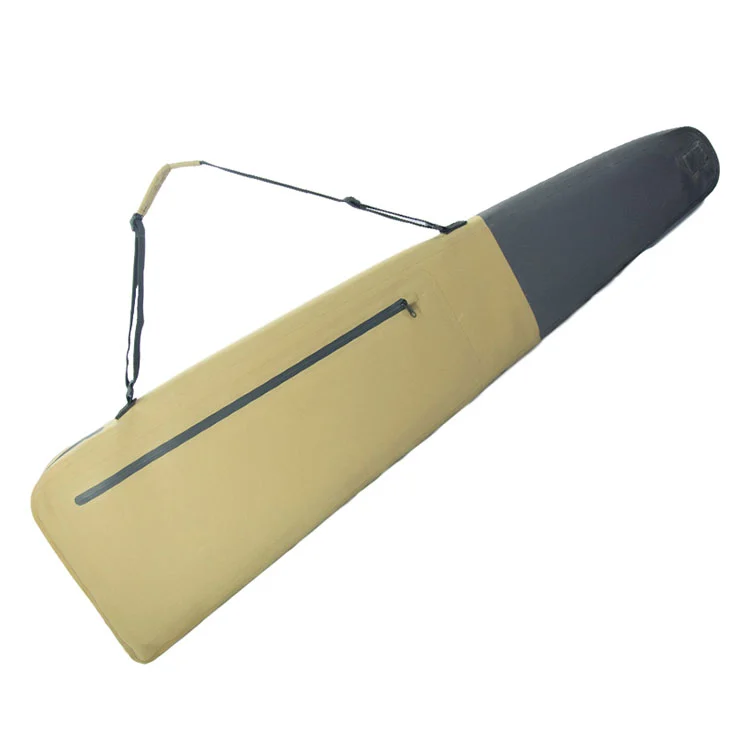
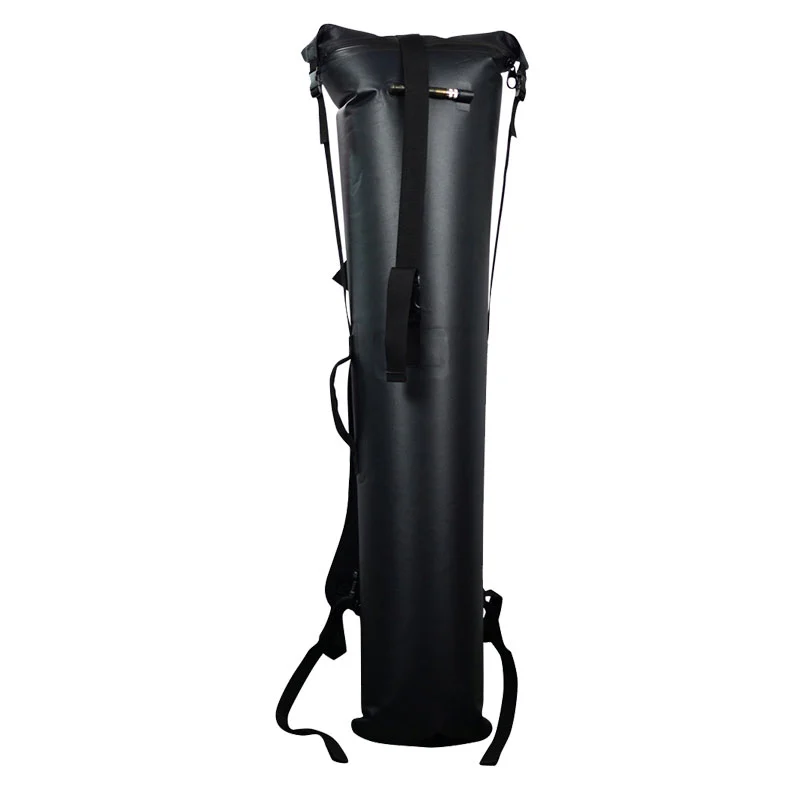
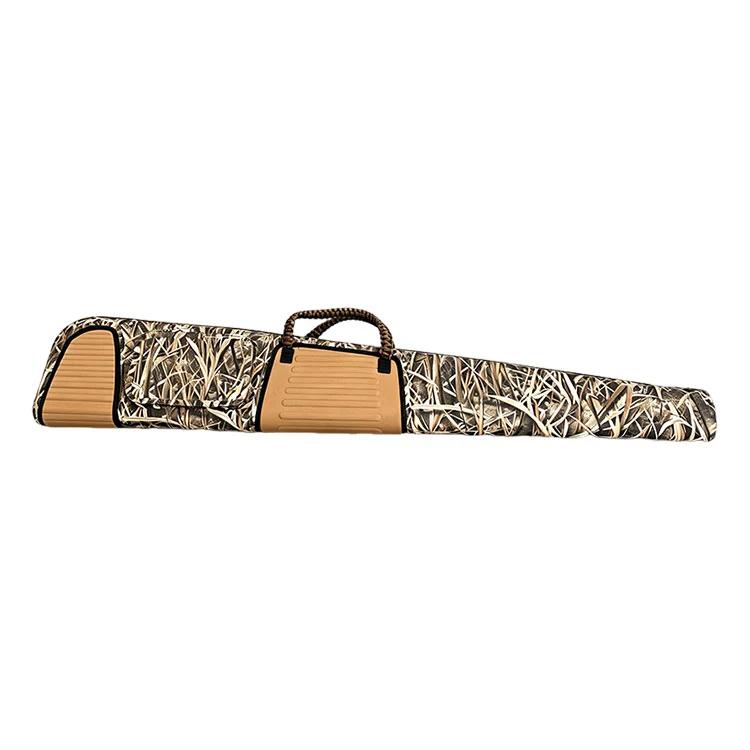
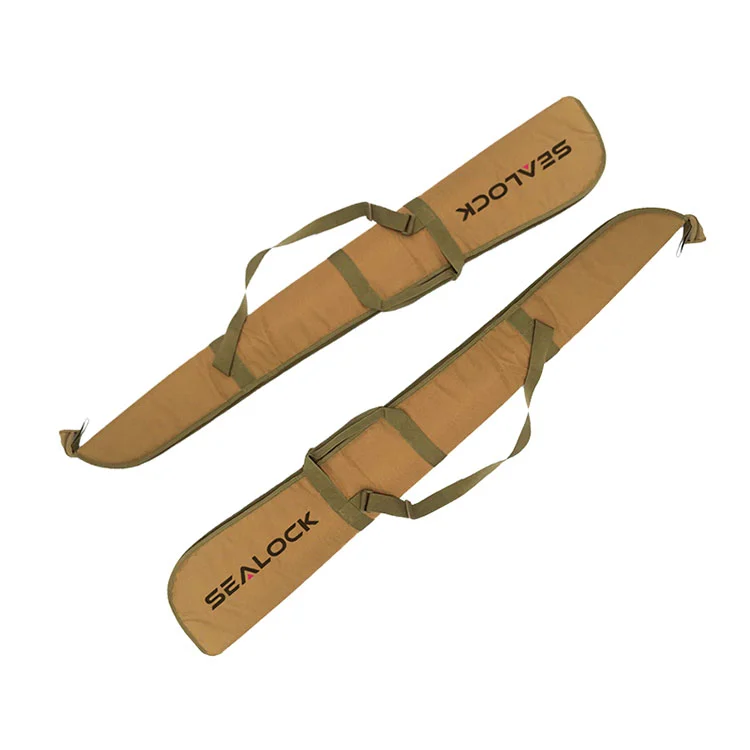
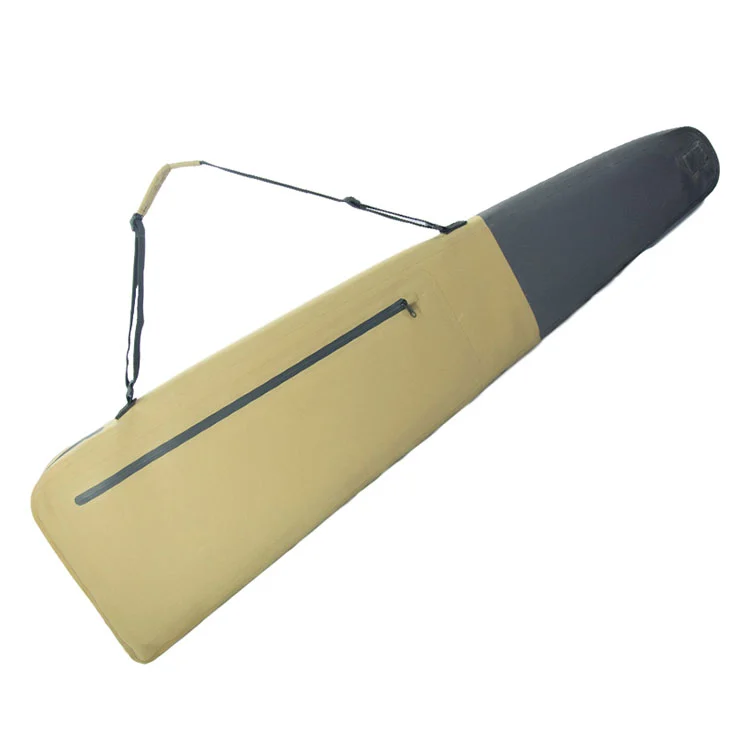
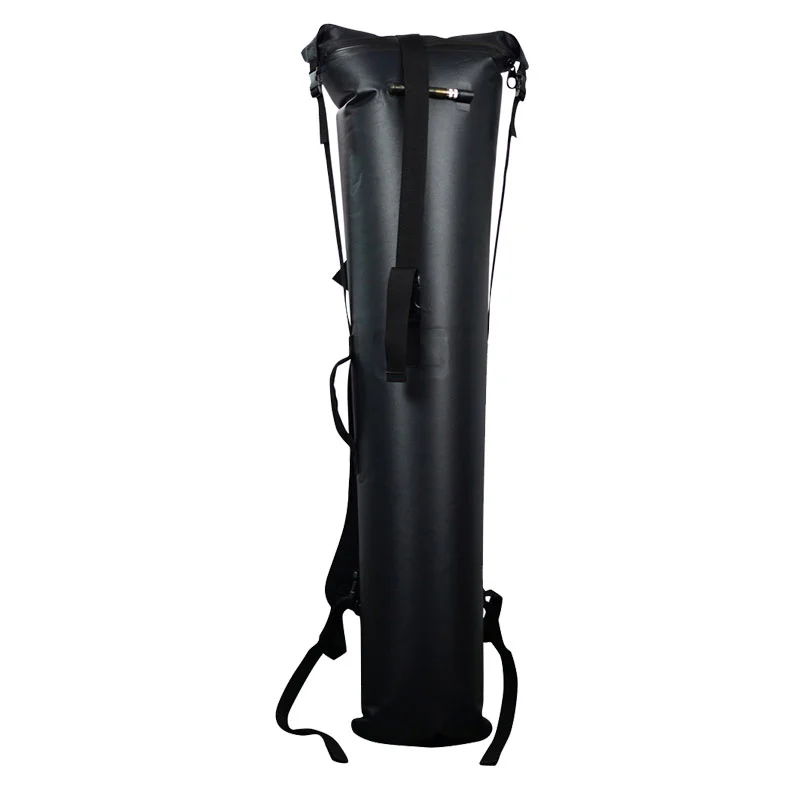
The SL-E603 Waterproof Zippered Gun Slip measures 122 × 30 × 8 cm with an internal capacity of approximately 25–30 L at approximately 1.1 kg. The shell is 840D TPU laminated fabric, RF welded as a one-piece body with no stitch perforations, closed by a sealed zipper welded into the body seam and rated IPX7. One welded waterproof zippered pocket, a rounded buttstock chamber and a tapered barrel chamber. Khaki, black and army green two-tone. MOQ 300 pcs, samples in 7–10 days, production in 30–45 days.

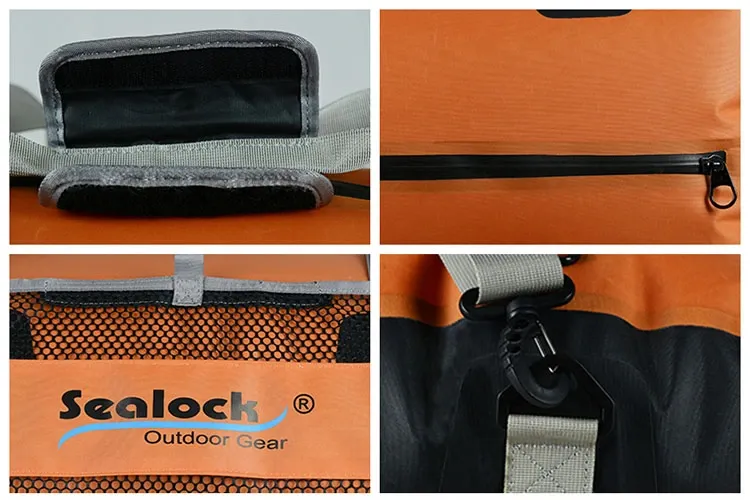
The sealed zipper carries a moulded polymer sealing profile on each tape face, compressed together by the slider into a continuous contact line, and is welded into the body seam rather than stitched to it. Pull size, slider type, tape colour and pocket configuration are OEM variables; an enlarged pull is specified for gloved operation.

A standard coil zipper interlocks teeth and leaves a path along the track. A sealed zipper carries a laminated impermeable tape with a moulded profile on each face; the slider presses those faces into a compressed contact line, which gives a firmer operating action than a conventional closure.

Sealed-Zipper Gun SlipWelded body with sealed accessory pocket zipper
How a Sealed Zipper Actually Seals

A standard coil zipper interlocks teeth and leaves a path along the track. A sealed zipper works differently: the tape carries a moulded polymer profile on each side, and the slider presses those two faces together into a continuous compressed contact. Water is stopped by that compressed line rather than by the teeth.

Element Standard Coil Zip Sealed Zipper
What stops water Nothing; water tracks the coil A compressed polymer contact line
Tape construction Woven, permeable Laminated, impermeable
Slider function Interlocks teeth Presses sealing faces together
Operating feel Light Firmer; the seal is being compressed
Tolerance for debris Runs with grit present Grit in the faces breaks the seal line
Fitted to the shell by Stitching Welded into the seam

The firmer action is the seal doing its job. Users unfamiliar with sealed zippers sometimes read the resistance as a fault and force the slider, which is the most common way this closure gets damaged.

Why It Is Welded In, Not Sewn In

A sealed zipper stitched to a shell would be watertight along its own length and perforated along the seam that holds it. On the Waterproof Zippered Gun Slip the zipper is welded into the body seam, so the sealed line continues into the sealed shell without a stitch anywhere between them.

The detail buyers should check on any supplier:ask how the sealed zipper is attached. A sealed zipper sewn onto a welded shell is a common shortcut, and it puts a line of needle holes directly alongside the one component the whole rating depends on. Ours is welded in, and the join is inspected on the full run of every unit.

What Damages It, in Order

Grit between the sealing faces

Sand, silt, and fine grit lodge between the two polymer faces and hold them apart. The seal degrades from that point along the track, and the damage is cumulative rather than sudden. Rinsing after exposure is the whole remedy.

Forcing a dragging slider

A slider drags because something is in the track. Forcing it past the obstruction deforms the sealing faces permanently, which cannot be reversed by cleaning afterwards.

Storing under tension

Leaving the case tightly packed and zipped under load holds the sealing faces compressed at a fixed point for months, which can set a permanent deformation at that spot.

Ultraviolet exposure

The sealing profile is a polymer like any other. Prolonged direct sunlight over seasons hardens it, which reduces how well it conforms under slider pressure.

Care Routine

1. Rinse the track with fresh water after any sandy, muddy, or salt-water exposure

2. Run the slider back and forth several times while rinsing so debris clears from between the faces

3. Wipe the track dry and let the case dry open rather than sealed

4. If the slider drags, stop and clear the track — never force it past resistance

5. Store zipped but not under packing tension, out of direct sunlight

This routine takes under a minute and is the difference between a closure that seals for years and one that degrades within a season. We supply it as a printed care card for OEM programmes.

Specification

Item Specification
Model SL-E603
Product type Fully welded waterproof rifle case
Size 122 × 30 × 8 cm (estimated)
Weight approx. 1.1 kg (estimated)
Internal capacity approx. 25–30 L
Shell material 840D TPU laminated fabric
Construction RF welded, one-piece body
Seam type High-frequency welded, heat-sealed edges
Waterproof rating IPX7
Closure Waterproof zipper
Accessory pocket 1 welded waterproof zippered pocket
Profile Rounded buttstock chamber, tapered barrel chamber
Carry Adjustable removable shoulder strap + reinforced handle
Colourways Khaki / Black / Army Green, two-tone
Firearm compatibility Hunting, bolt-action, tactical rifles; shotguns
MOQ 300 pcs
Sample lead time 7–10 days
Production lead time 30–45 days
OEM / ODM Supported
Origin China

Closure Options

Option Notes
Zipper pull Enlarged for gloved operation
Pull colour Contrast or brand-matched
Slider type Locking or non-locking
Pocket zipper Sealed as standard; size and position configurable
Care card Multilingual; covers rinsing and storage
Service parts Replacement pulls supplied for dealer programmes
Body length 48 in and 52 in both quoted
Colour split Khaki, black, and army green in any combination

How It Is Made

6. Incoming inspection of 840D TPU fabric and sealed zipper components

7. Welding parameter setup and first-article peel test

8. Precision cutting of body panels to the chambered profile

9. RF welding of the one-piece shell

10. Sealed zipper welded into the body seam along its full run

11. Welded attachment of the sealed accessory pocket

12. Strap anchor and handle attachment by hybrid welding

13. Full-run seal inspection and immersion verification

14. Final inspection and export packing

Seal Verification

Check Method Frequency
Zipper component inspection Sealing profile and slider check Every batch
Zipper-to-shell weld Full-run visual inspection of the join 100%
Slider seating pressure Operation check across the full run 100%
Pocket zipper seal Visual and water check 100%
Immersion verification Against the IPX7 condition Per approved sampling plan
Packaging Carton verification 100%

Closure Trials

Trial Method Outcome
IPX7 immersion Sealed case immersed to 1 m for 30 minutes No ingress at the closure or the weld join
Cycle and reseal Repeated full-length operation, then immersion Sealing retained after cycling
Grit contamination Sand introduced to the faces, then immersion without cleaning Sealing degraded — confirming the rinse requirement
Rinse recovery Same unit rinsed, slider run, then immersed again Sealing restored
Salt exposure Salt-water immersion, rinsed and dried No corrosion; seal unaffected
Gloved operation Enlarged pull worked with heavy gloves Gripped and run without forcing
Weld join peel Destructive peel at the zipper-to-shell join Parent fabric tore before the join separated

The grit and rinse results are published deliberately. A Waterproof Zippered Gun Slip is not indifferent to contamination, and a buyer who knows that can set the right expectation with their customers rather than fielding a complaint later.

Where a Sealed Closure Is the Right Choice

Frequent-access waterproof carry where a roll-top costs too much time; vehicle and rack storage where the flat 8 cm profile fits; guided operations opening a case many times a day; rain-heavy seasons where the gun stays sealed between stands; and coastal use where salt is present and the rinse routine is already part of the day.

Recent Work

Norway — guided hunting operation

Guides were opening welded roll-top cases dozens of times a day and losing about eleven seconds on each. Moving to the sealed-zipper case recovered that time, and we supplied a four-language care card because the rinse routine was new to seasonal staff. 400 pcs, 42 days.

Chile — coastal outfitter

Sand was the concern. We ran the grit contamination and rinse recovery trials in front of the customer during sampling, which established both that contamination degrades the seal and that rinsing restores it. The outfitter built the rinse step into its end-of-day equipment routine. 300 pcs, 41 days.

Germany — sporting goods importer

Their quality team asked how the sealed zipper was attached, having previously received cases where a sealed zipper was sewn onto a welded shell. We supplied peel test results at the zipper-to-shell join alongside the immersion report. 550 pcs, 44 days.

What Buyers Told Us

“Eleven seconds a case, thirty cases a day. That is the whole reason we switched, and the waterproofing was the same.”

— Head Guide, Guided Hunting Operation

“You showed us the seal failing with sand in it rather than pretending it would not. Then you showed us rinsing fixed it.”

— Equipment Buyer, Coastal Outfitter

“Sewn-in sealed zippers are the shortcut we were catching elsewhere. Yours is welded and you had the peel test to prove it.”

— Quality Manager, Sporting Goods Importer

1. How does a sealed zipper differ from a normal one?

A standard coil zipper interlocks teeth and leaves a path along the track. A sealed zipper carries a moulded polymer profile on each side of a laminated tape, and the slider presses those faces together into a continuous compressed contact. Water is stopped by that compressed line, not by teeth.

2. Why does it feel stiffer to operate?

Because the slider is compressing the sealing faces as it runs. The firmer action is the seal working. Users who read that resistance as a fault and force the slider are the most common cause of damage to this closure.

3. Is the zipper sewn or welded to the case?

Welded into the body seam along its full run, so the sealed line continues into the sealed shell without a stitch between them. A sealed zipper sewn onto a welded shell is a common industry shortcut and puts needle holes alongside the component the rating depends on.

4. What damages a sealed zipper?

In order: grit lodged between the sealing faces, forcing a dragging slider, storing the case zipped under packing tension, and prolonged ultraviolet exposure hardening the sealing profile.

5. Does sand actually break the seal?

Yes, and we test for it. In our trials a contaminated closure showed degraded sealing under immersion, and the same unit sealed correctly again after rinsing with the slider run through. That is why the rinse routine matters.

6. What is the care routine?

Rinse the track with fresh water after sandy, muddy, or salt exposure, running the slider several times while rinsing. Dry the case open, never force a dragging slider, and store zipped but not under tension and out of direct sunlight.

7. Can Waterproof Zippered Gun Slip be operated with gloves?

With the enlarged pull option, yes. Because the action is firmer than a standard zipper, pull size matters more here than on a conventional case.

8. Will salt water damage the closure?

No, provided it is rinsed with fresh water afterwards. Salt-water immersion with a subsequent rinse produced no corrosion and no loss of sealing in testing.

9. Is a locking slider available?

Yes, as an option. Fleet and rental programmes sometimes specify it so a case cannot work partly open in transit.

10. Are replacement pulls available?

Yes, supplied for dealer service programmes. The pull is the part most likely to need replacement over a long service life; the sealed tape itself is a workshop repair.

11. Does the accessory pocket use the same closure?

Yes, a sealed zipper welded to the shell, so the pocket is waterproof in its own right and does not open a path into the main compartment.

12. What are the commercial terms?

MOQ 300 pcs, samples in 7–10 days, production in 30–45 days, quoted EXW, FOB, or CIF, with development covering zipper hardware, pull size, pocket configuration, body length, colour split, care cards, and packaging.

Send Inquiry
Contact Info
Send your inquiry to Sealock, submit your requirements here. We provide prompt response support services for hunting equipment brands worldwide.
X
We use cookies to offer you a better browsing experience, analyze site traffic and personalize content. By using this site, you agree to our use of cookies. Privacy Policy
RejectAccept