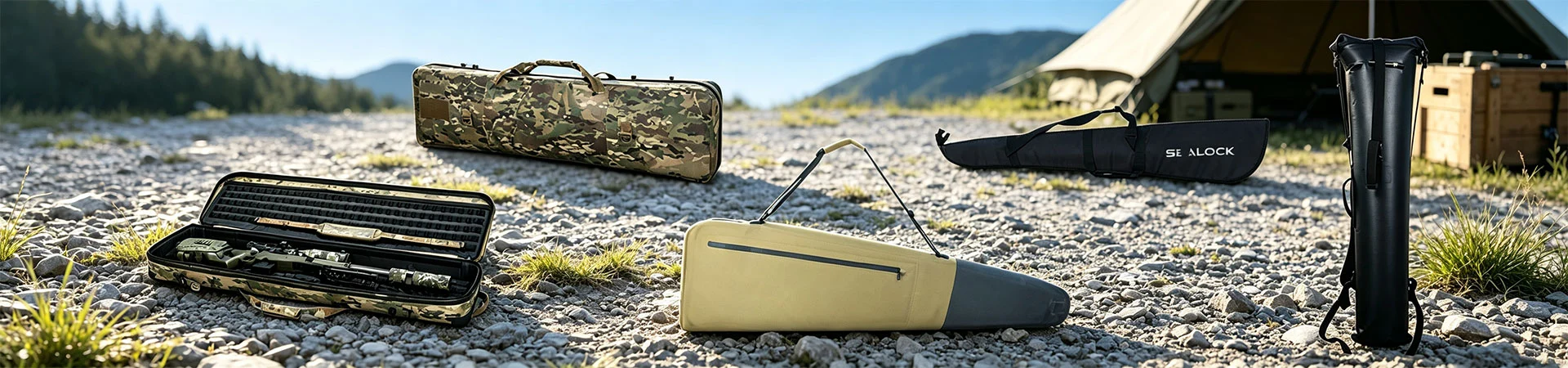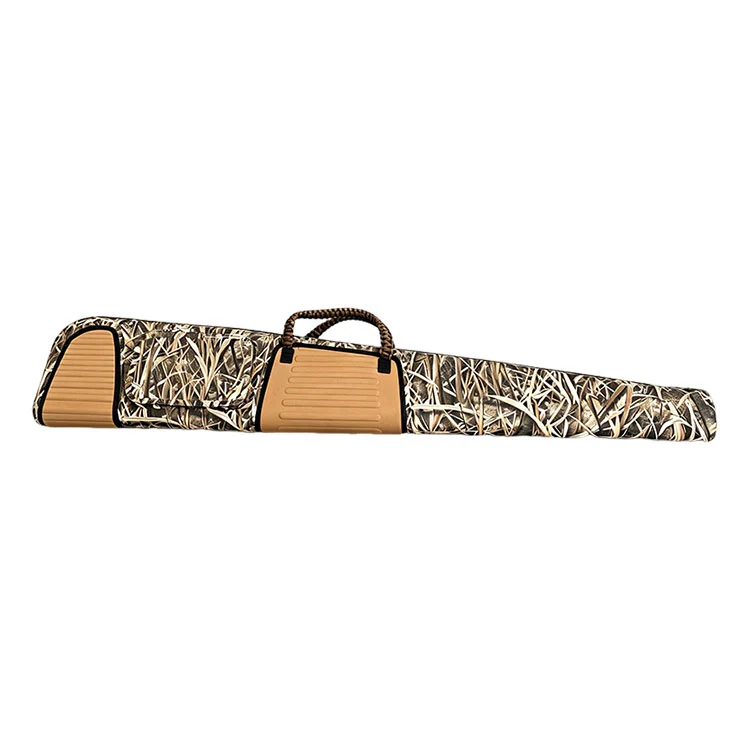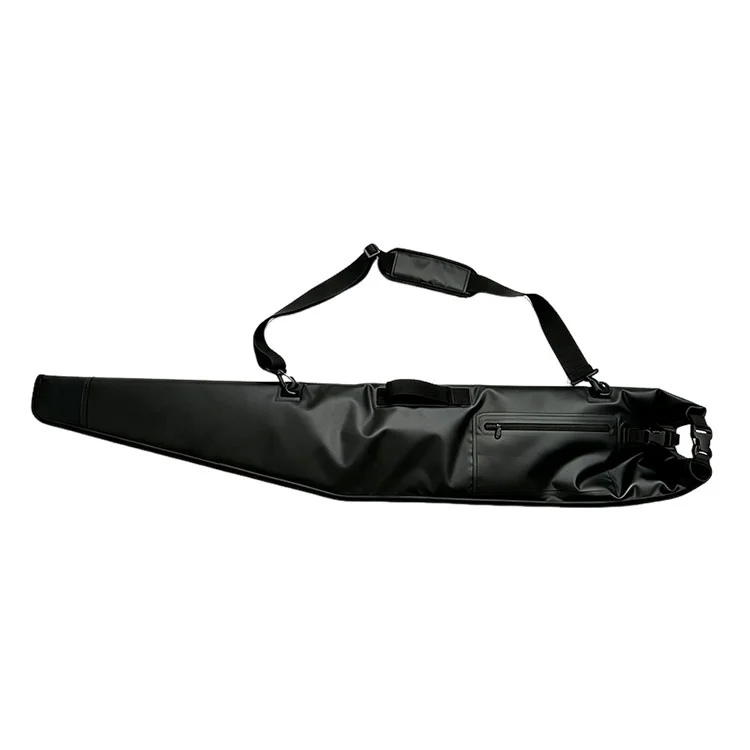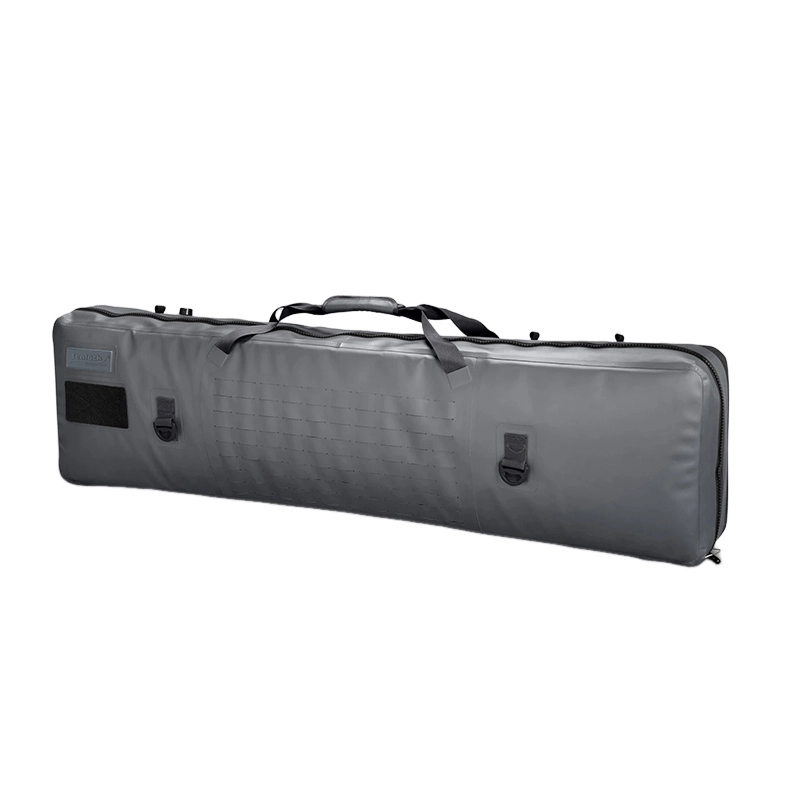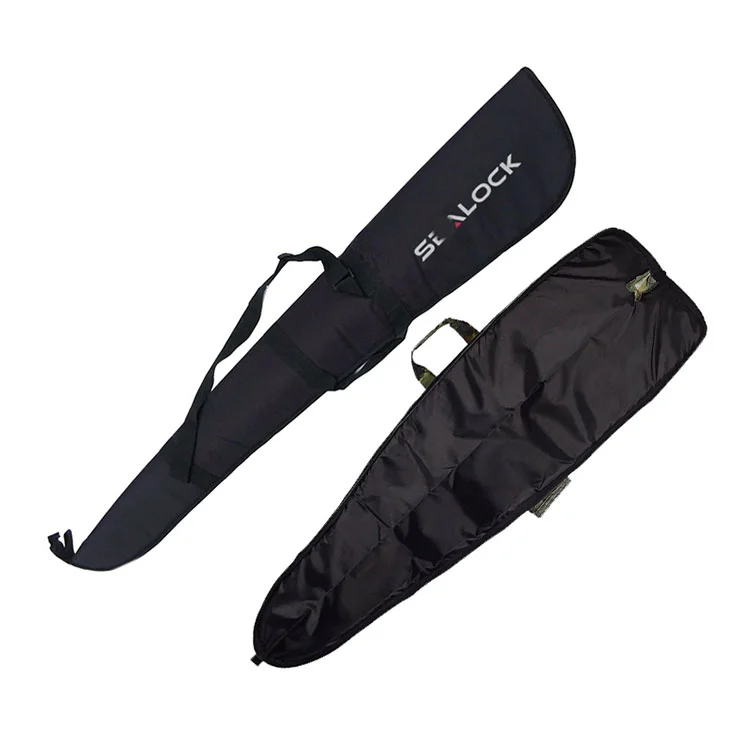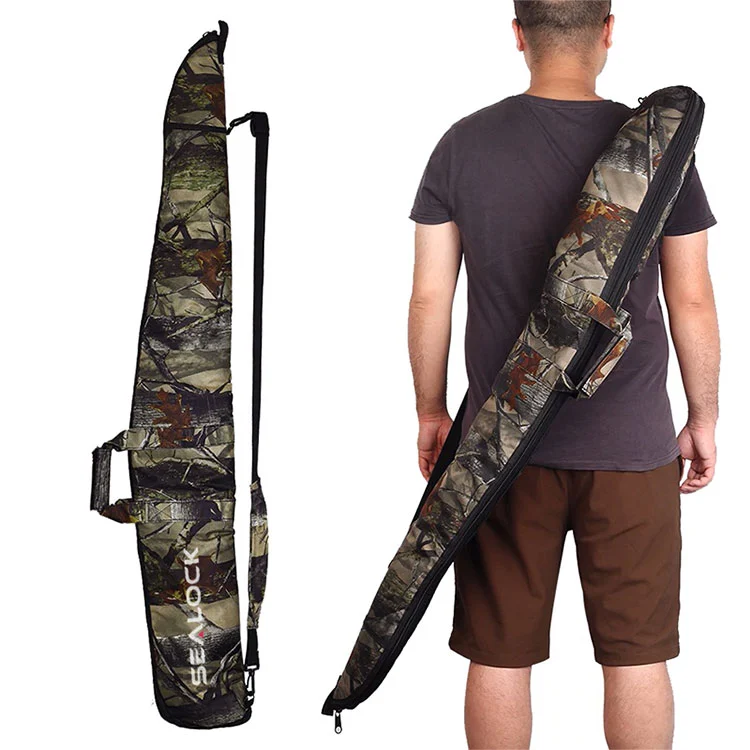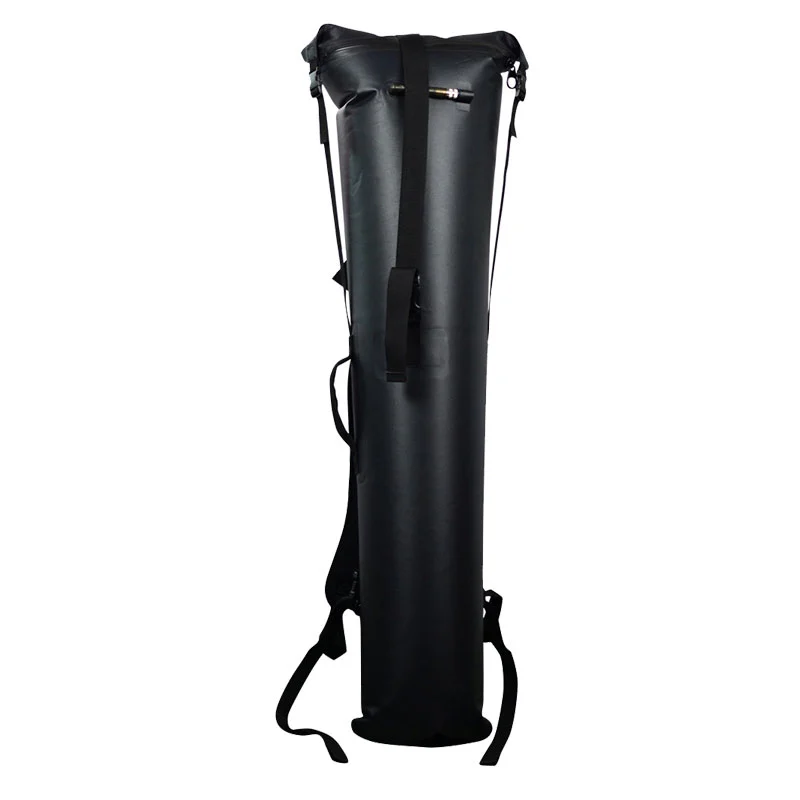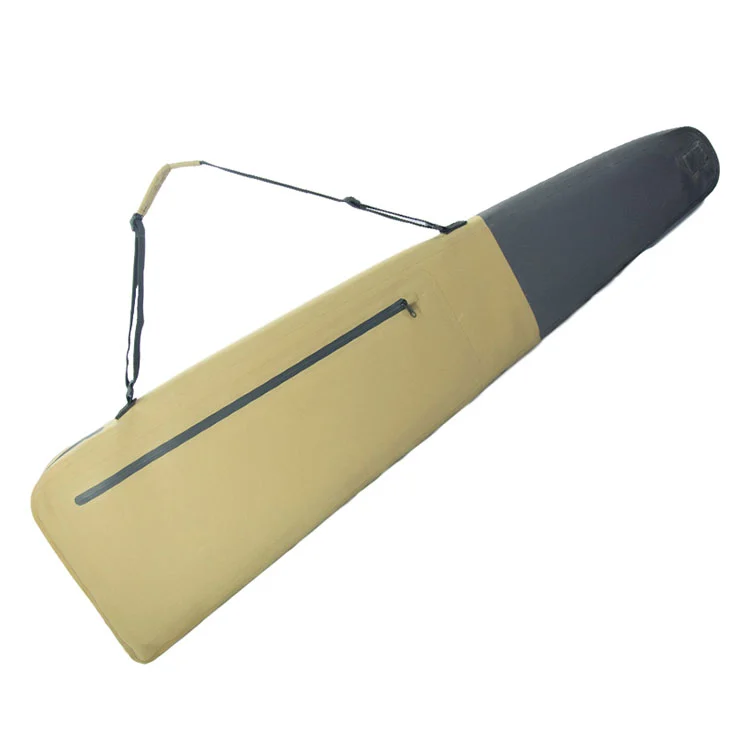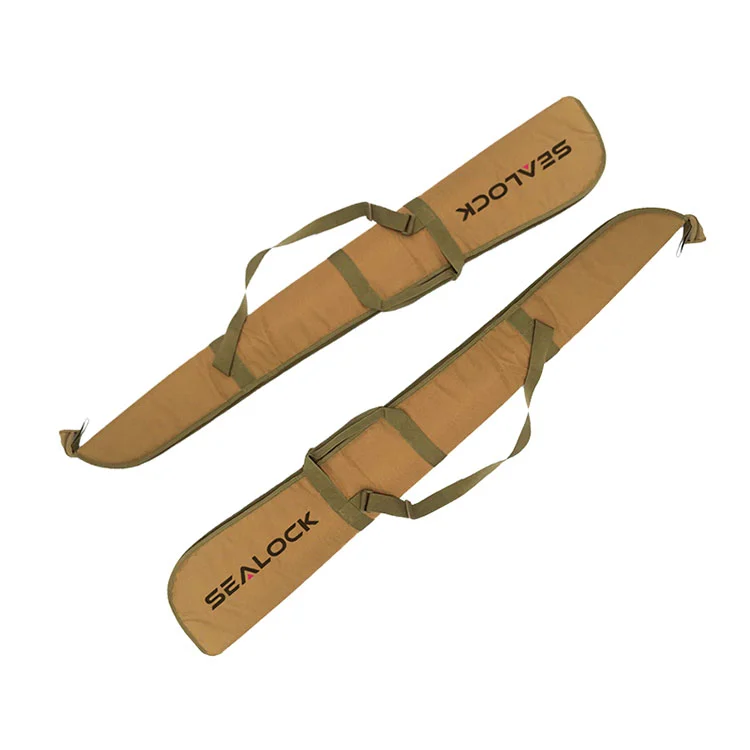
Sealock is a professional manufacturer and supplier of the Padded Gun Case. The SL-E899 runs 10–15 mm of foam between a 600D Oxford outer and a soft polyester lining, at 122 × 26 cm and approximately 0.85 kg. Length, width, padding, optic clearance, and lining are each specifiable so one body covers several firearm families. Samples 7–10 days, production 30–45 days, EXW / FOB / CIF.
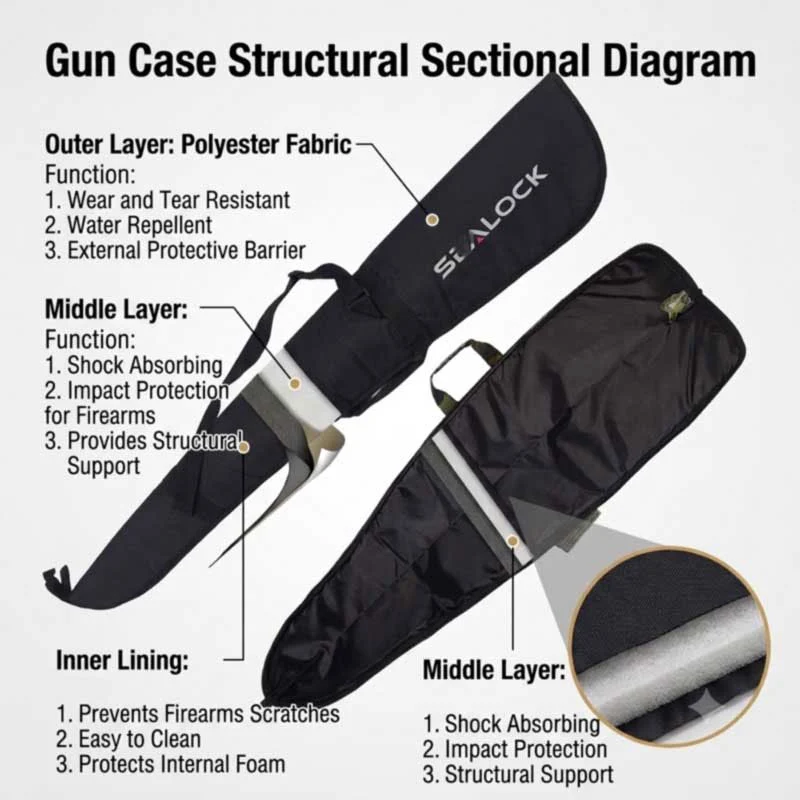
The SL-E899 uses 10–15 mm of foam assembled as a layer between a 600D Oxford outer and a soft polyester lining, a tapered cut that holds the firearm still rather than letting it slide, and foam that cannot migrate out of position because it is not a loose insert. Thickness, density, internal dimensions, optic clearance, and lining are each specifiable at the OEM stage, so Padded Gun Case body serves scoped rifles, shotguns, break-actions, and compact guns within a range.
Abrasion in vehicles and storage; sheds rain and spray
Middle
Foam, 10–15 mm
Absorbs knocks; spreads contact pressure across an area
Inner
Soft polyester lining
Friction against bluing, laminate, and synthetic finishes
Because the foam sits between the outer and the lining as an assembled layer rather than a loose insert, it cannot migrate out of position or be left behind, and the case keeps the same cushioned profile every time it is used.
Thickness and Density Do Different Things
Buyers usually ask about thickness alone. Thickness sets how much travel the foam has to absorb an impact; density sets how firmly it resists being compressed. Specifying one without the other is where padding disappoints.
Property
Its Job
Too Much
Too Little
Thickness
Provides absorption travel
Bulky and heavy; case loses its slim profile
Bottoms out; shock reaches the firearm
Density
Resists compression
Stiff; transmits shock rather than absorbing it
Crushes flat on impact; no protection remains
The working balance:enough thickness for the foam to have somewhere to go, with enough density that it does not simply flatten. At 10–15 mm the SL-E899 is tuned for everyday handling loads. Thicker or denser specifications are quoted where a programme needs a higher protection tier.
Fit Decides Whether the Padding Works at All
The best foam protects nothing if the firearm rattles inside. A gun that moves builds momentum before it meets the padding and strikes the case from the inside instead of being cushioned by it.
Close cut. The tapered profile holds the firearm still rather than letting it slide within an oversized rectangle.
Centred contact. A snug fit keeps the gun bearing on padded surface rather than against a seam line or a zipper track.
Too large. Slack lets the gun slide and strike the ends, which is where wear marks appear first on generic cases.
Too tight. Forcing the firearm in strains the zipper and the seams.
Matching the Case to the Firearm
Firearm
What to Specify
Scoped rifle
Added clearance and cushioning across the receiver; length for the barrel
Shotgun
Length for a long barrel; padding maintained to the muzzle end
Break-action or takedown
Shorter case sized to the folded or split length
Youth or compact
Reduced length so the firearm cannot slide inside
Fine or engraved gun
Lining upgrade emphasis to protect the finish
Length, width, padding thickness, and lining are each specifiable at the OEM stage, so one case body can be configured across several firearm families within a range.
1. Incoming inspection of Oxford fabric, foam, lining, webbing, and zipper
2. Precision cutting of shell, foam, and lining to the tapered pattern
3. Foam and lining assembly between the outer and inner layers
4. Full-length zipper installation
5. Accessory pocket assembly and attachment
6. Strap and handle attachment with bar-tack reinforcement
7. Edge binding and seam reinforcement
8. Padding placement and function inspection
9. Final inspection and export packing
Checks Before a Batch Ships
Check
Frequency
Incoming material inspection
Every batch
Foam thickness and placement
100%
Stitch alignment and density
In-process
Zipper function
100%
Handle and strap pull test
Sampling
Dimensional verification
Sampling
Packaging inspection
100%
What We Test
Test
Method
Outcome
Padding impact
Controlled knock and drop with a weighted mock firearm
Padding absorbed impact; no damage to contents
Foam compression recovery
Repeated compression of the foam layer
Recovered; no permanent flattening
Fit retention
Firearm cased and handled; movement observed
Snug fit held the gun still; no rattling
Water-resistance
Surface spray applied to the outer fabric
Surface water shed; interior stayed dry
Zipper cycle
Repeated full-length open and close
Ran smoothly and closed fully
Strap load
Suspended load cycles
No strap or stitching failure
Abrasion
Contact with vehicle floors and benches
Cosmetic wear only
Water-resistance testing here is surface spray based. This construction is stitched with a standard coil zipper and is not immersion tested or rated for submersion.
Where It Fits
Everyday transport between cabinet, vehicle, field, and range; scoped rifle and shotgun carry; break-action and takedown storage; club and training fleets; cabinet storage between seasons; and retail programmes needing a padded tier above a plain sleeve.
From a Recent Order
Project: Lining and Fit Revision for a Precision Rifle Retailer
A retailer selling scoped precision rifles found generic soft cases were either too tight to close over a mounted optic or so loose the rifle slid and the scope knocked against the ends. Both failure modes traced to fit rather than to the foam.
We added clearance across the receiver, matched the internal length to a customer-supplied reference rifle, and specified an upgraded lining. Padding stayed at the standard 10–15 mm, since the problem was never the cushioning.
• Result: closed cleanly over the optic and held the rifle still; repeat order placed
What Buyers Told Us
“It actually fits a scoped rifle — closes over the optic and holds the gun so the scope does not bang around. That was the whole problem with the generic cases.”
— Buyer, Precision Rifle Retailer
“You told us it was a fit problem, not a foam problem. Changing the dimensions fixed what a thicker pad would not have.”
— Product Developer, Firearms Accessories Brand
“The padding is firm enough to take a knock without crushing flat. You can feel the difference against a thin sleeve.”
— Customer Review, Range Use
Buyer Questions
1. What does the padding protect against?
Impact — the knocks, drops, and scrapes of everyday handling as a gun is loaded into vehicles, leaned in blinds, and set on benches. Foam of 10–15 mm sits between the outer fabric and lining, and a soft lining protects the finish from rubbing.
2. Is thicker padding always better?
No. Thickness provides absorption travel, but density decides whether the foam resists compression or crushes flat. Good protection balances the two, and both are specifiable for an OEM programme.
3. Why does fit matter if the Padded Gun Case is padded?
A gun that rattles builds momentum and strikes the case from the inside before the padding can cushion it. A close fit holds the firearm still, so fit is as important as the foam.
4. Can it be made to fit a scoped rifle?
Yes. Added receiver clearance and an internal length matched to a reference firearm are standard OEM options, and we test-fit samples against customer-supplied rifles.
5. Is it waterproof?
No. The 600D Oxford outer is water-resistant against rain and spray during normal carry. The construction is stitched with a standard coil zipper and is not sealed against immersion.
6. Does it protect against crushing like a hard case?
No. It cushions impact but is not a rigid shell. For crush protection a hard case is correct; this is built for the impact and weather of everyday carry.
7. How is the padding kept in place?
The foam is assembled as a layer between the outer and lining rather than added as a loose insert, so it cannot shift out of position or be left behind.
8. Can padding be specified differently for different guns?
Yes. Thickness, density, internal dimensions, optic clearance, and lining can all be varied so one case body serves several firearm families.
9. What is the difference from an unpadded sleeve?
A sleeve is fabric protection against dust and light scratching. The padded version absorbs knocks and holds its shape when empty, and the difference shows the first time the case is dropped rather than scuffed.
10. Does the foam lose cushioning over time?
In testing the foam recovered after repeated compression with no permanent flattening. Everyday use does not compress it the way sustained heavy loading would.
11. What colours and branding are available?
Sand, army green, camouflage, and black as standard, with custom colours, camouflage matching, screen printing, heat transfer, and embroidery for OEM programmes.
12. What are the commercial terms?
MOQ 300 pcs, samples in 7–10 days, production in 30–45 days, quoted EXW, FOB, or CIF. ODM development covers padding, dimensions, lining, colour, branding, and packaging.
We use cookies to offer you a better browsing experience, analyze site traffic and personalize content. By using this site, you agree to our use of cookies. Privacy Policy