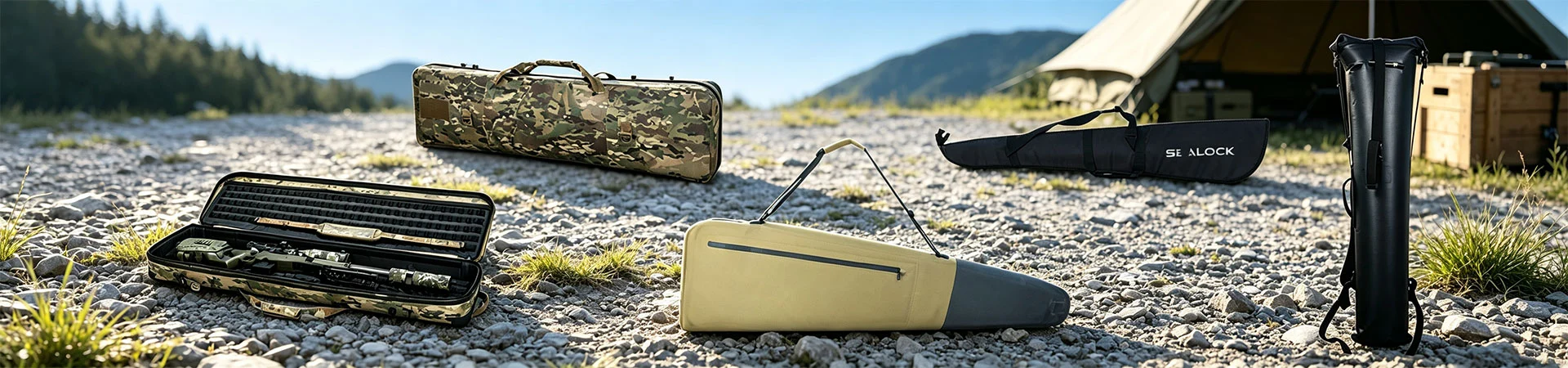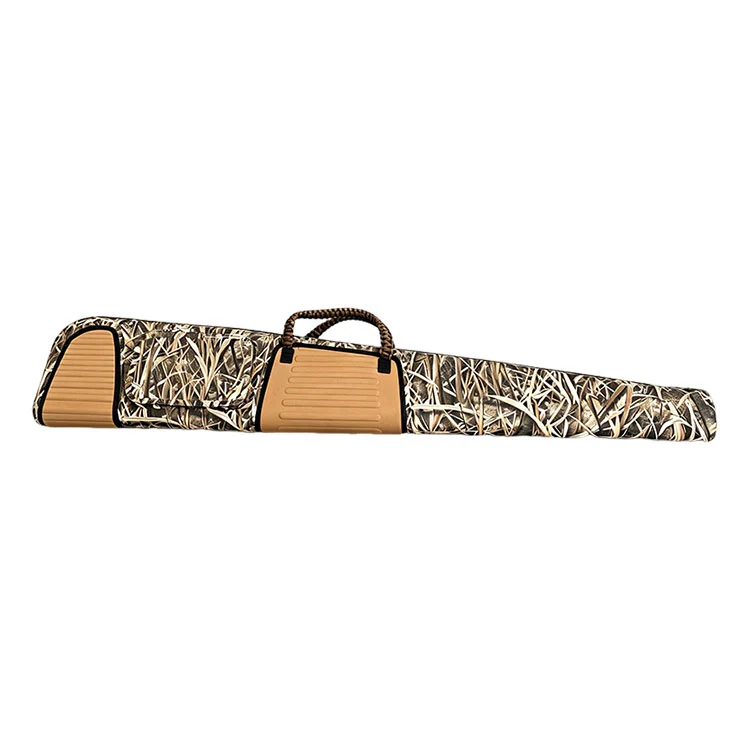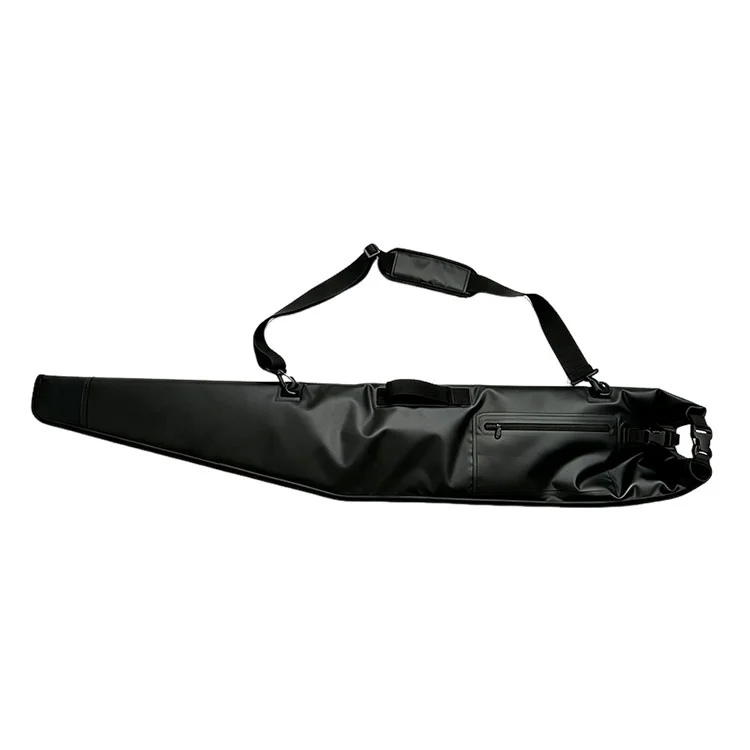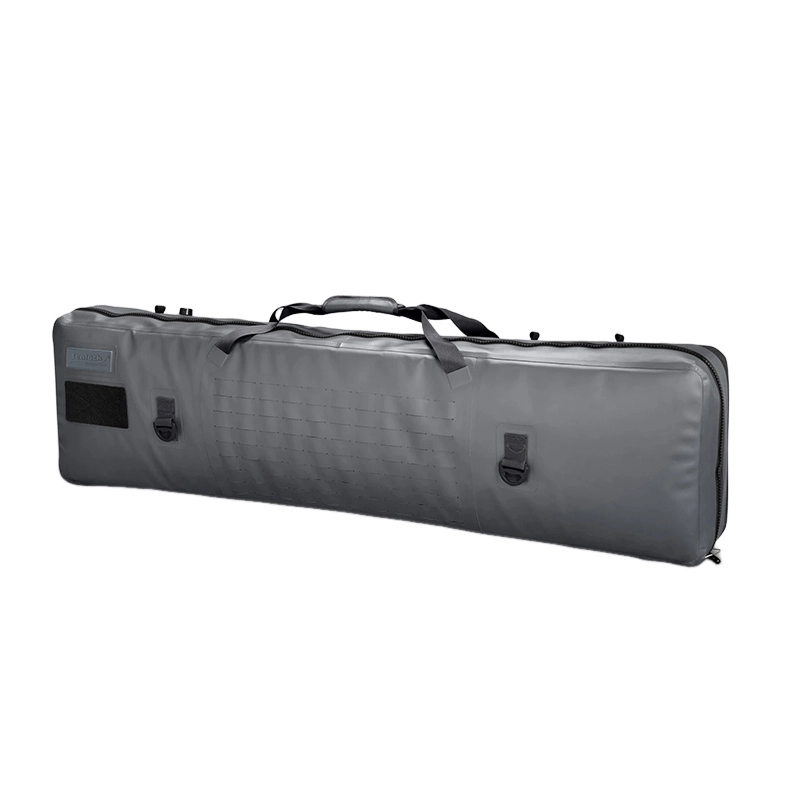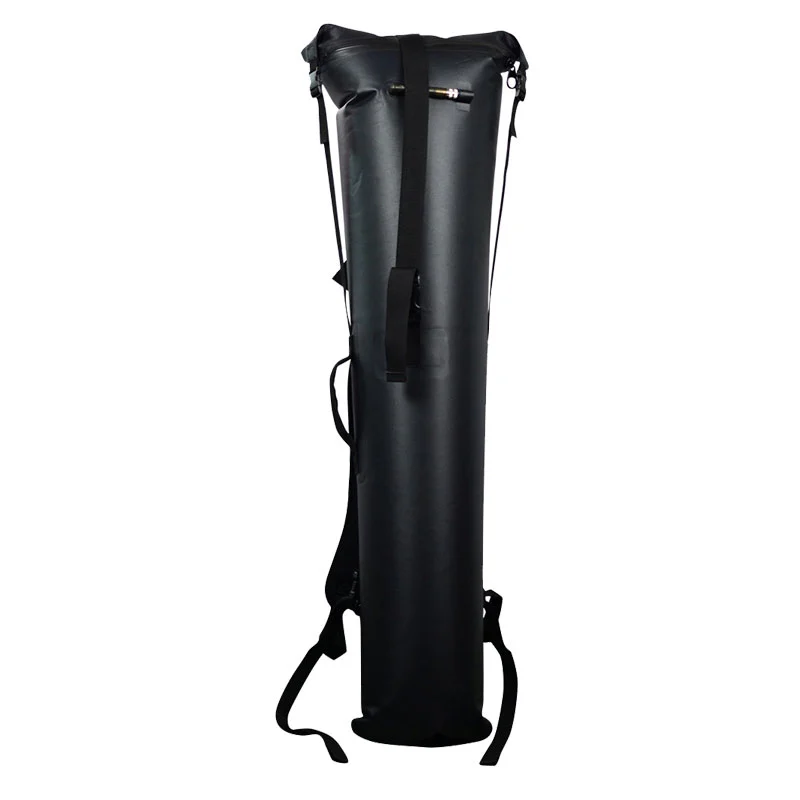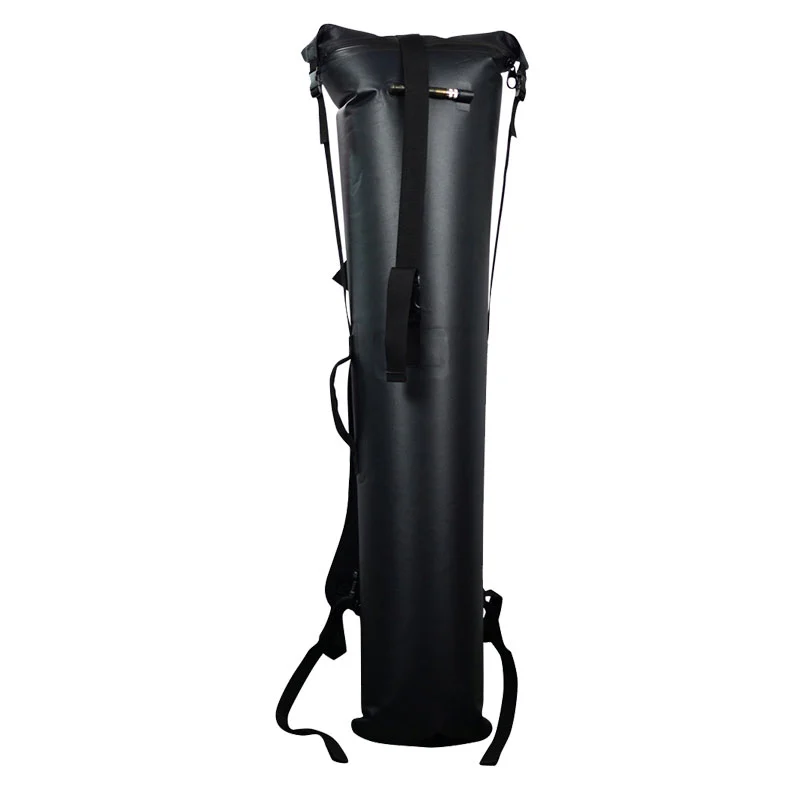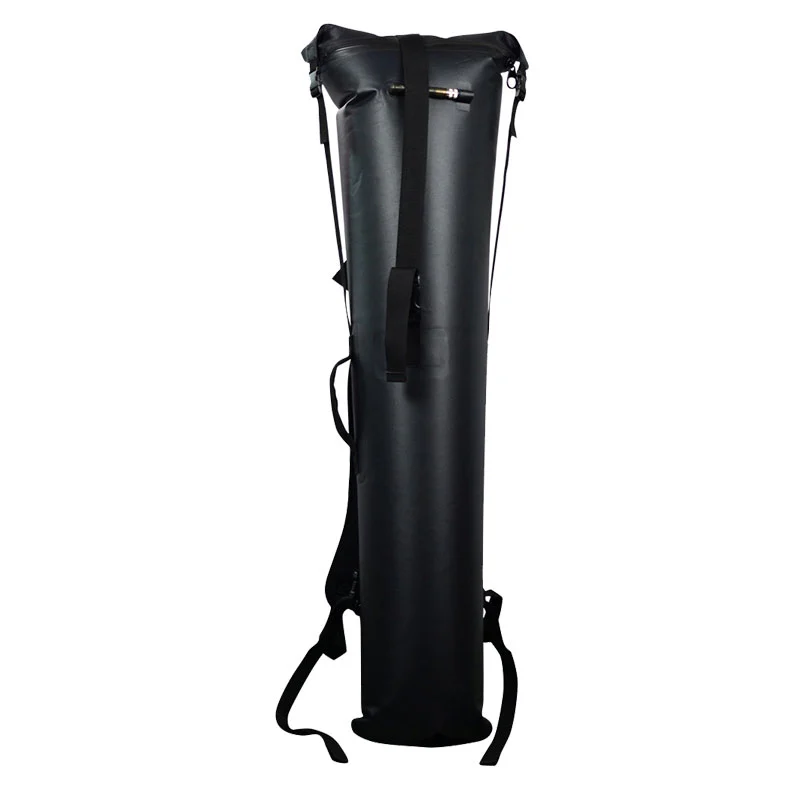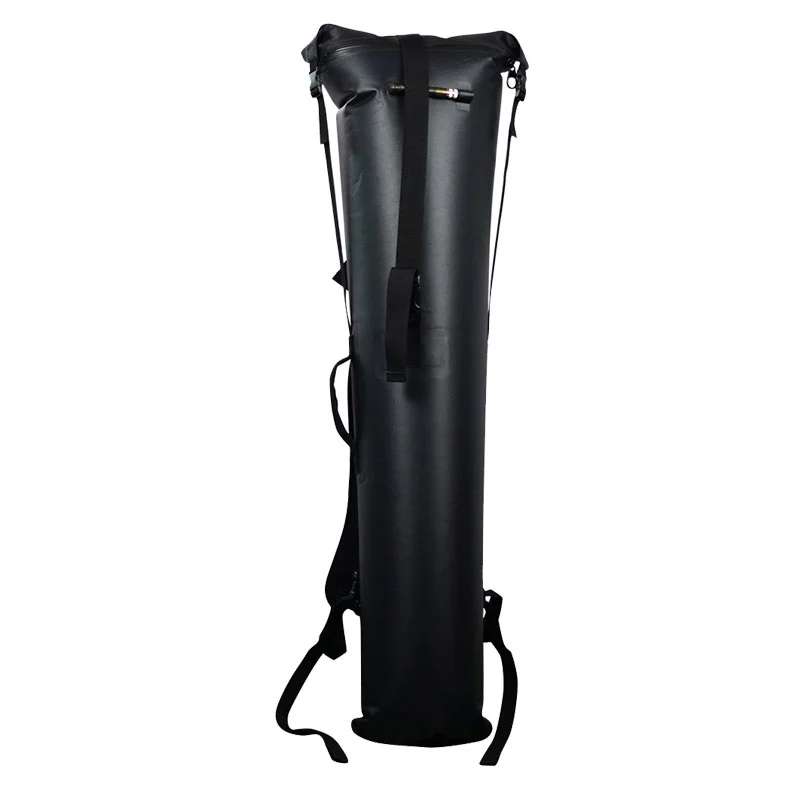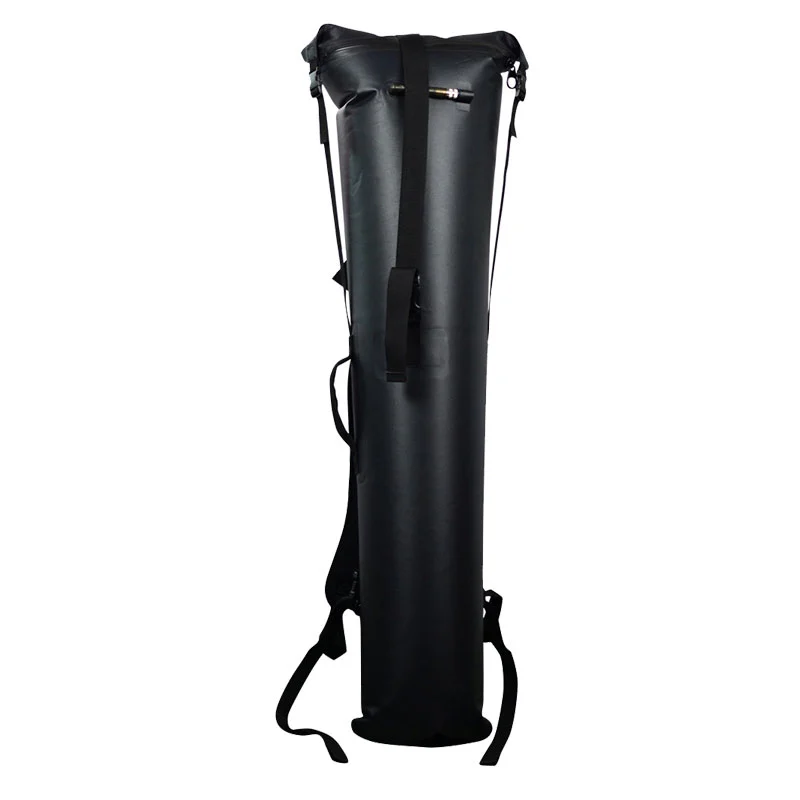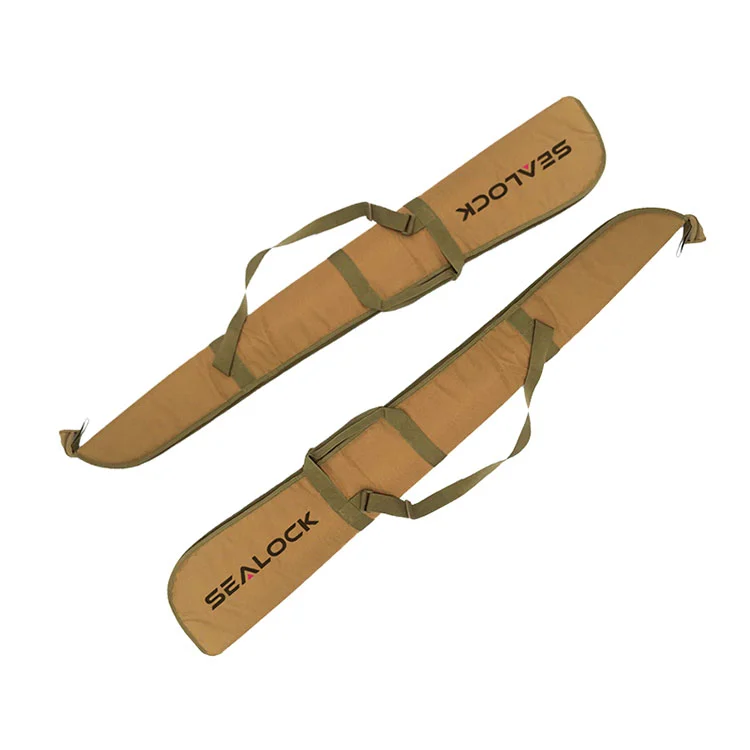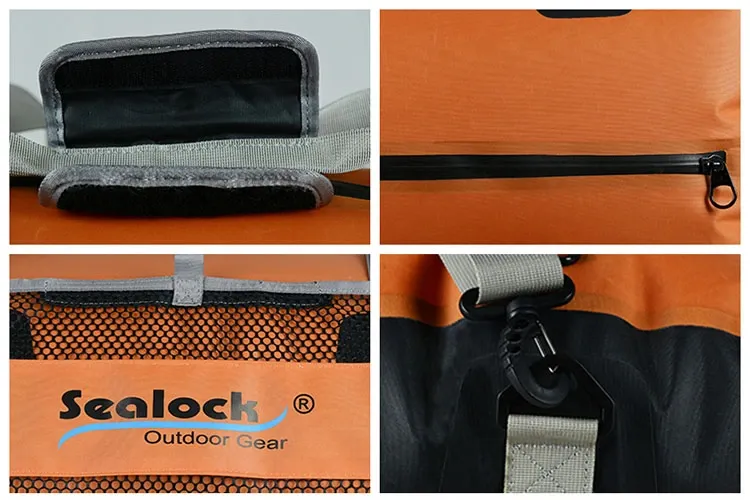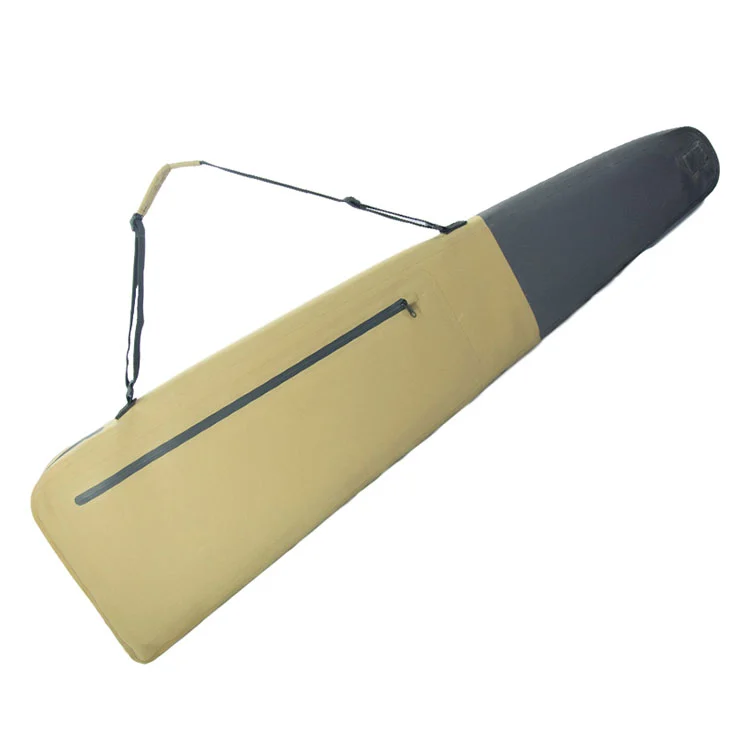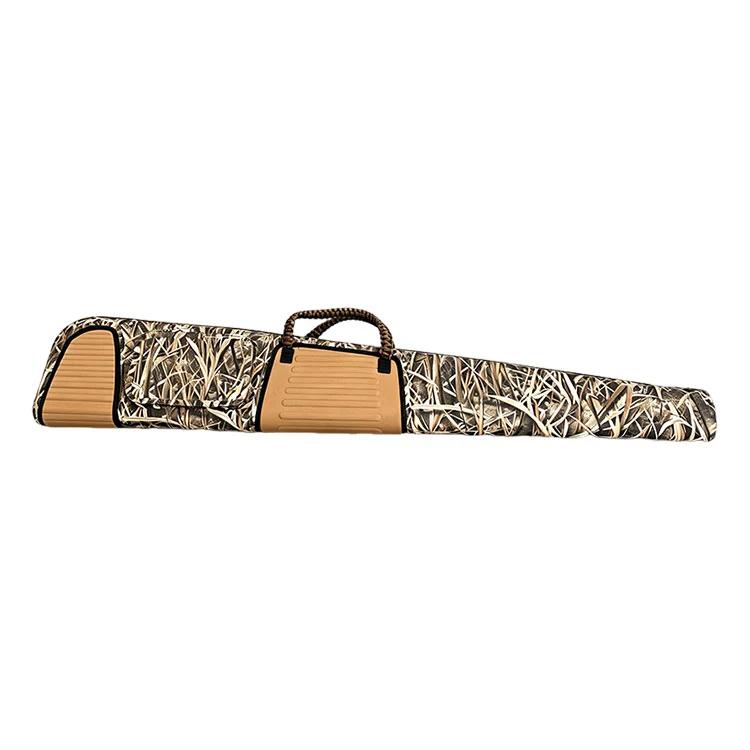
Sealock SL-E899 breaks the single waterproof protection limitation of traditional gun holsters. It can address four common environmental damage issues: ultraviolet fading and aging, low-temperature stiffness and difficulty in opening and closing, damp environment mold growth, and cold and hot alternation causing thread loosening. The Water-Resistant Shotgun Slip uses weather-resistant 600D Oxford fabric, color-fast dyes, and cold-resistant foam, combined with reinforced stitching and full-edge processing. It achieves rapid ventilation and drying with a full-length and fully open zipper.
SL-E899 weather-resistant shotgun slip
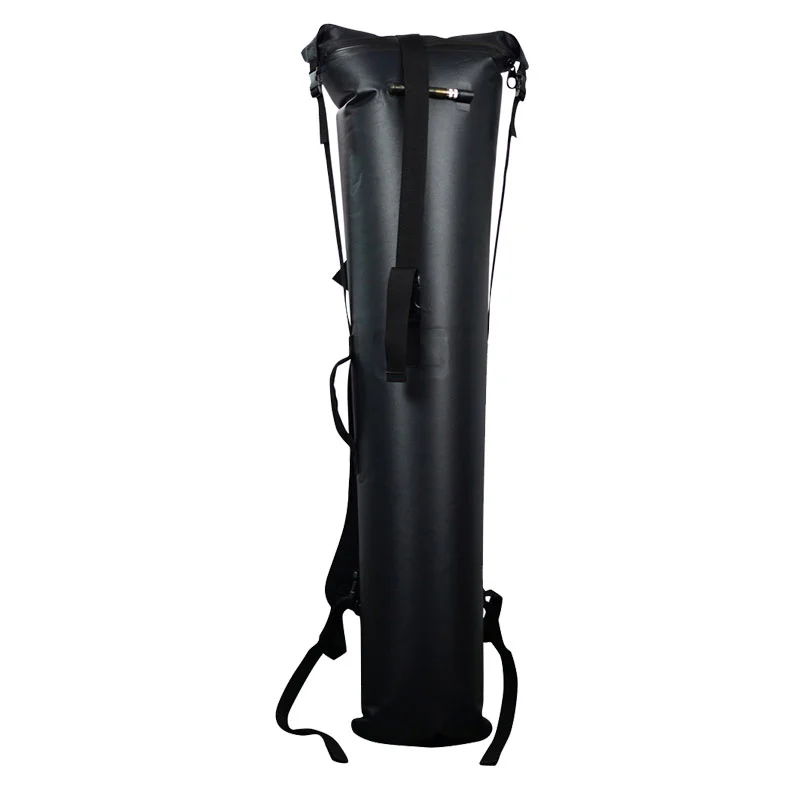
A slip left on a parcel shelf, in a boat, or hanging in a sunlit gun room accumulates UV that fades dye and degrades fabric and thread. The damage is invisible until the fabric weakens, and it shows first on whichever face sits upward — cases are almost always stored the same way up.
Colourfast dye selection reduces visible fading on the exposed face, polyester carries better inherent UV resistance than several alternatives, and stitching thread is specified to match the fabric's exposure life rather than failing before it. Storage guidance advises keeping the slip out of direct sunlight between uses.
Low temperatures stiffen fabric, foam, and zipper components. A slip that handles easily in mild conditions can become awkward at winter temperatures — the fabric loses drape, the foam firms up, and the zipper runs less smoothly, which is exactly when users force it.
Fabric and foam are specified to retain flexibility in cold, coil zipper construction runs better than moulded teeth at low temperature, and an enlarged pull can be specified so the zip is operable with heavy gloves. Bar-tacked terminations resist the forcing that cold-stiffened zippers invite.
The most common weather complaint on soft cases is not water ingress but odour. A slip stored damp in a humid environment develops mildew in the lining and foam. It is a handling issue rather than a material failure, but the product can be specified to make correct handling easier.
The full-length opening allows the interior to air completely after a wet outing, a fabric that sheds rather than absorbs dries faster, and the lining is selected to release moisture rather than hold it. A care card advising storage dry and unzipped is available for OEM programmes.
Moving repeatedly between a heated vehicle and a freezing field makes materials expand and contract at different rates. Over many cycles this works stitching loose at stress points, and it can cause condensation inside a case brought from cold into warm air.
Bar-tack reinforcement at stress points resists progressive loosening and bound edges keep seam allowances stable through the movement. Care guidance advises opening the Water-Resistant Shotgun Slip when bringing it from cold into a warm room.
| Exposure | What It Damages | Specification Response |
| Rain and spray | Fabric wets out; interior dampens | Water-resistant Oxford finish sheds surface water |
| Ultraviolet | Dye fades; fabric and thread weaken | Colourfast dyes; polyester UV resistance; matched thread |
| Cold | Fabric, foam, and zipper stiffen | Cold-flexible materials; coil zipper; enlarged pull option |
| Humidity | Mildew in lining and foam | Full-length airing; fast-drying shell; care guidance |
| Thermal cycling | Stitching loosens; condensation forms | Bar-tack reinforcement; bound edges; care guidance |
| Dust and grit | Abrasion; zipper contamination | Smooth shell; cleanable coil track |
| Item | Specification |
| Model | SL-E899 |
| Size | 122 × 26 cm (48 × 10–11 in) |
| Weight | approx. 0.85 kg |
| Outer fabric | 600D polyester Oxford, water-resistant finish |
| Padding | Foam, 10–15 mm |
| Inner lining | Soft polyester |
| Closure | Full-length coil zipper |
| Accessory pocket | 1 zippered front pocket |
| Profile | Tapered rifle and shotgun cut |
| Carry | Adjustable removable shoulder strap + reinforced handle |
| Construction | Heavy-duty stitching, bound edges |
| Weather rating | Water-resistant |
| Colourways | Sand / Army Green / Camouflage / Black |
| MOQ | 300 pcs |
| Sample lead time | 7–10 days |
| Production lead time | 30–45 days |
| OEM / ODM | Supported |
| Package | What Changes | Suits |
| UV-stable | Colourfast dye selection; matched thread | High-sunlight regions; vehicle-stored equipment |
| Cold-handling | Cold-flexible materials; enlarged winter pull | Sub-zero winter markets |
| Humidity | Lining selected to release moisture; care card | Coastal and high-rainfall regions |
| Standard | Baseline specification | Temperate mixed-season markets |
Customers commonly run a UV-stable specification for sunny markets, a cold-handling specification for winter markets, and the standard build elsewhere, all from the same case body.
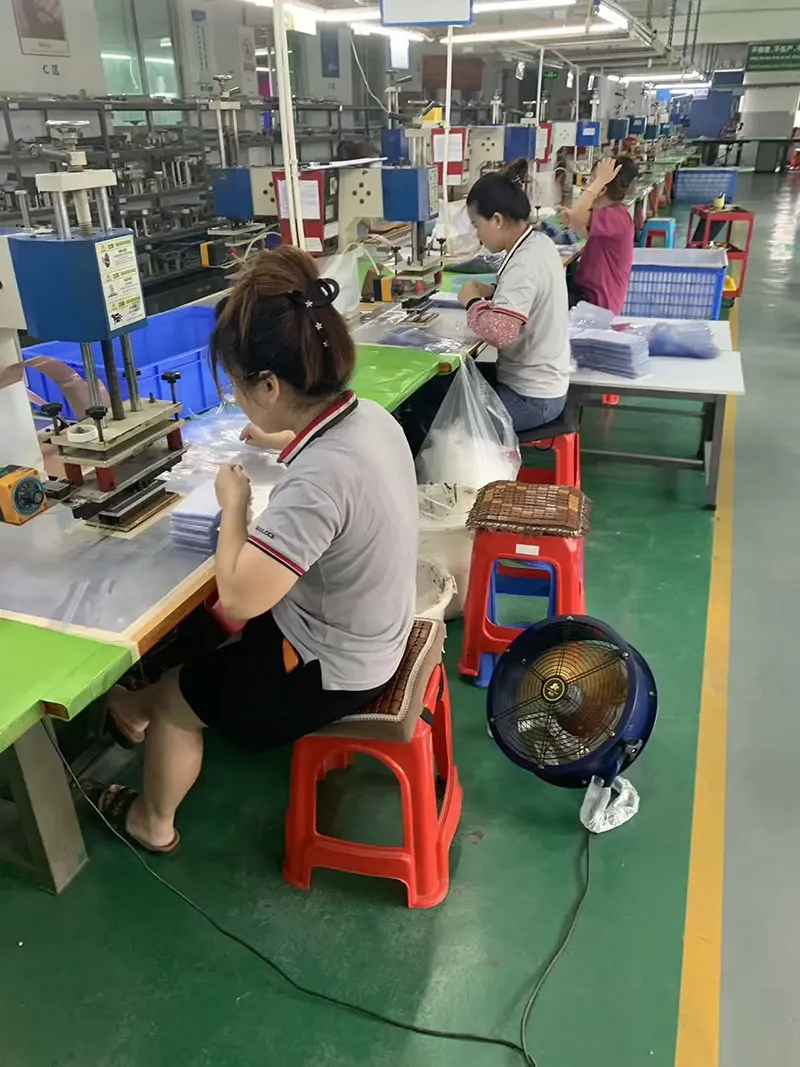
1. Incoming inspection of Oxford fabric, foam, lining, webbing, and zipper
2. Precision cutting of shell, foam, and lining to the tapered pattern
3. Layer assembly following the taper so buttstock and barrel sections are both cushioned
4. Full-length zipper installation
5. Accessory pocket, strap, and handle attachment with bar-tack reinforcement
6. Edge binding and seam reinforcement
7. Colourfastness and function inspection
8. Final inspection and export packing
| Item | Standard |
| Incoming material inspection | Every batch |
| Colourfastness | Rub and exposure verification |
| Bar-tack integrity at stress points | 100% |
| Foam placement | 100% |
| Zipper function | 100% |
| Strap and handle pull | Sampling |
| Packaging | 100% |
| Trial | Method | Outcome |
| Surface spray and rain-carry | Spray and simulated rainfall applied | Finish shed surface water; interior stayed dry |
| Ultraviolet exposure | Extended light exposure on samples | Dye fading and thread strength assessed on the exposed face |
| Cold handling | Conditioned at low temperature, then handled | Fabric flexible; zipper ran without forcing, including gloved |
| Humidity and drying | Wetted, then opened flat in a humid environment | Interior dried; lining released moisture |
| Thermal cycling | Repeated cold-to-warm cycling | Stitching held at stress points |
| Colourfastness | Rub and exposure testing | No significant colour transfer; camouflage contrast retained |
The construction is stitched with a standard coil zipper and is water-resistant rather than waterproof; it is not immersion tested.
Year-round shooting programmes where a case accumulates every exposure type rather than one season's conditions; equipment stored in trucks and boats that accumulate UV and thermal cycling faster than indoor storage; cold-climate winter hunting where fabric stiffness and zip operation decide usability with gloves; humid and coastal regions where trapped moisture rather than rain is the practical problem; and high-sunlight regions where UV determines how the product looks after two seasons.
Club slips faded noticeably within two seasons, particularly on the face that sat upward in parcel shelves and gun racks, and faded stock undermined the clubs' equipment standards. We changed to a colourfast dye selection and specified thread matched to the fabric's exposure life, validated through extended light exposure against the previous specification. 700 pcs, 42 days, visible fading substantially reduced across the following two seasons.
Feedback was consistent that slips stiffened in deep cold and that zips were being forced with gloved hands until pulls broke. We specified cold-flexible fabric and foam, retained coil construction for low-temperature running, and fitted an enlarged pull sized for winter gloves. 850 pcs, 45 days, broken pull claims fell substantially through the following winter.
Mildew odour was developing in slips over the off-season despite the slips being sound and firearms stored clean and dry. The issue was storage practice — slips were kept zipped in a humid gun room. We supplied a lining selected to release moisture plus a multilingual care card instructing staff to store slips open and dry. 350 pcs, 39 days, the odour issue resolved across the following off-season.
“Our old slips faded on one side because they always sat the same way up in the rack. The new dye selection has held colour through two summers.”
— Grounds Manager, Clay Shooting Club
“At minus twenty the old ones went stiff as board. These still open, and the bigger pull means nobody forces anything.”
— Product Manager, Winter Hunting Distributor
“You diagnosed it as a storage practice problem rather than selling us a different case. We changed the procedure and the odour stopped.”
— Head Keeper, Coastal Shooting Estate
No. This slip is water-resistant — it sheds rain, spray, and dew during normal carry and is not rated for immersion. Weather resistance here also covers UV, cold, and humidity, which are separate exposures from rain.
Cases stored in vehicles, boats, or sunlit gun rooms accumulate UV constantly, and it fades dye and weakens fabric and thread. Damage shows first on whichever face sits upward, since cases are usually stored the same way up.
Yes. Fabric and foam are specified to retain flexibility at low temperature, and coil construction runs better in cold than moulded teeth. For winter markets we recommend the enlarged pull so the zip is operable with heavy gloves without forcing.
Storing it damp and zipped, particularly in humid conditions. It is a handling issue rather than a material failure. The full-length opening allows complete airing, the lining releases moisture, and a care card instructs users to store the slip open and dry.
Repeatedly moving between a heated vehicle and a freezing field makes materials expand and contract at different rates, working stitching loose at stress points over many cycles and causing condensation when a cold case enters warm air. Bar-tack reinforcement and bound edges resist the loosening.
Fading affects camouflage more visibly, because the pattern relies on contrast between tones and loses definition as they converge. UV-stable dye selection matters particularly for camouflage programmes in high-sunlight markets.
Clean and dry, stored open or loosely rather than zipped shut, and out of direct sunlight. Storing it sealed, damp, or in a sunlit position accounts for most of the degradation reported over an off-season.
Yes. We validate the upgrade through extended rain-carry testing, and the rating is still described as water-resistant rather than waterproof, since the stitched construction sets that ceiling.
It provides some thermal buffering when a firearm moves between very different temperatures, slowing the rate of change rather than preventing it. It is not insulation, and condensation guidance still applies.
Humidity rather than rain. Cases stored damp and zipped develop odour far more often than cases actually leak, which is why the full-length opening and the care card matter more to real-world satisfaction than the rating alone.
Yes. A UV-stable specification for sunny markets, a cold-handling specification for winter markets, and the standard build elsewhere, all from the same case body.
MOQ 300 pcs, samples in 7–10 days, production in 30–45 days, quoted EXW, FOB, or CIF, with development covering dye and finish selection, cold-weather hardware, profile, padding, colourway, care cards, and packaging.
Address
No. 88, Fenggang Section of Dongshen Road, Fenggang Town, Dongguan City, Guangdong Province, China
Tel