Products
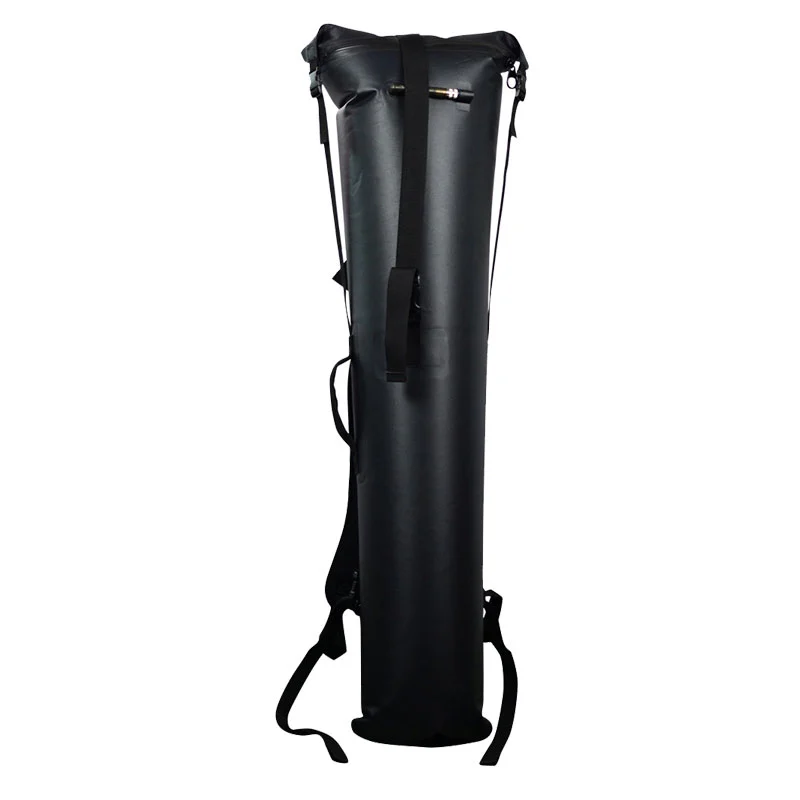
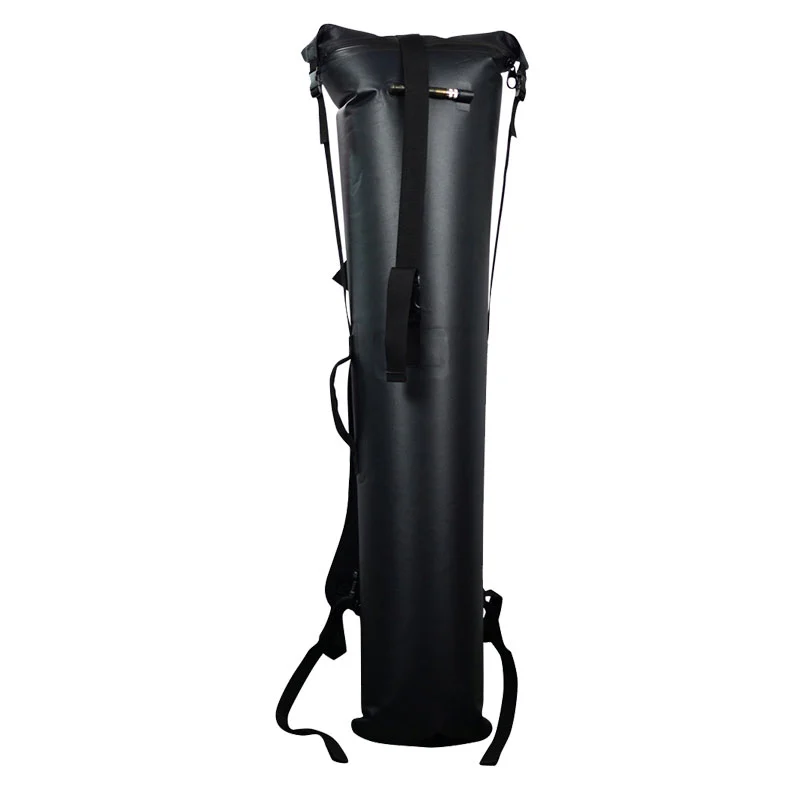
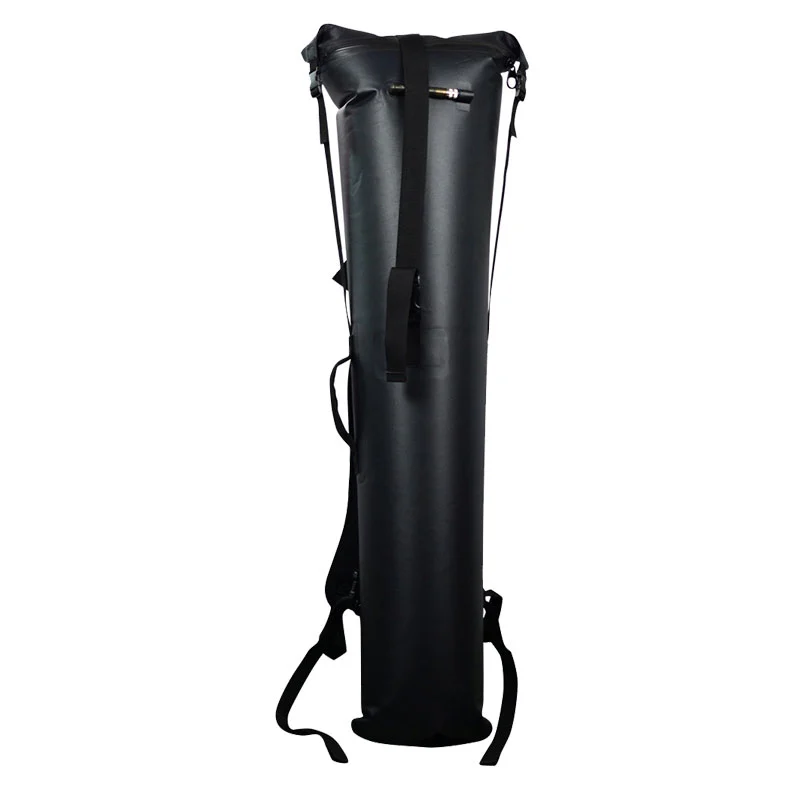
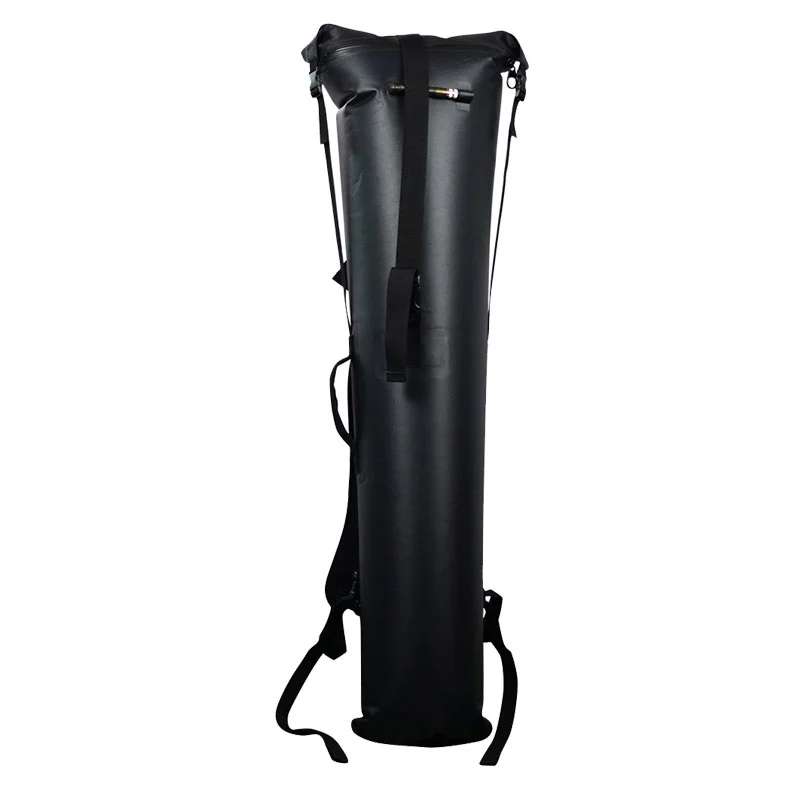
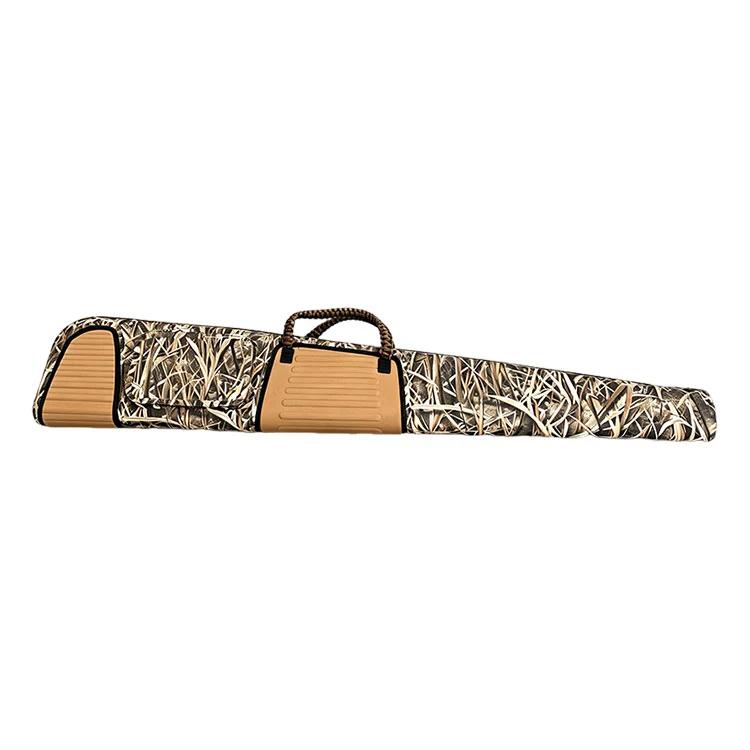
Kayak Canoe Waterproof Rifle Case
  • Kayak Canoe Waterproof Rifle CaseKayak Canoe Waterproof Rifle Case

Kayak Canoe Waterproof Rifle Case

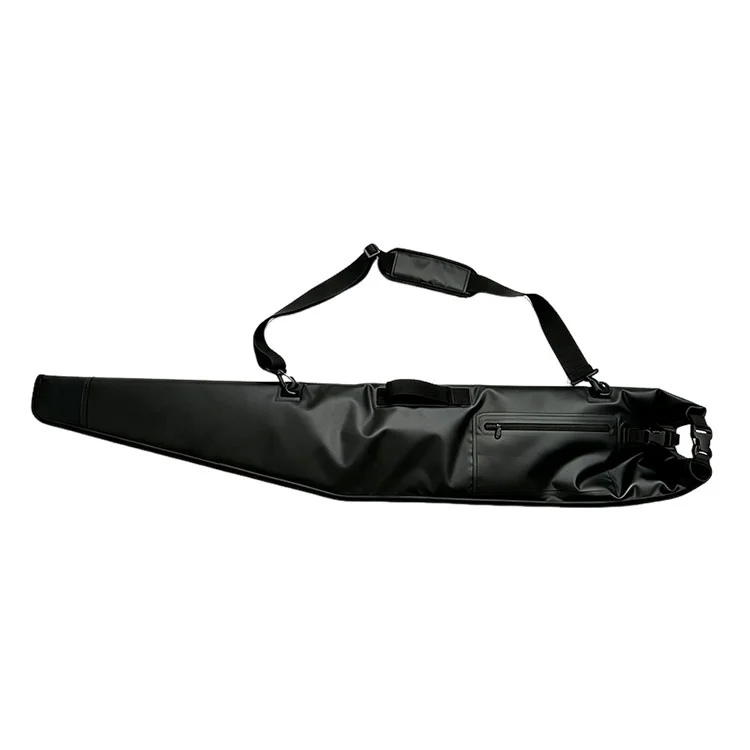
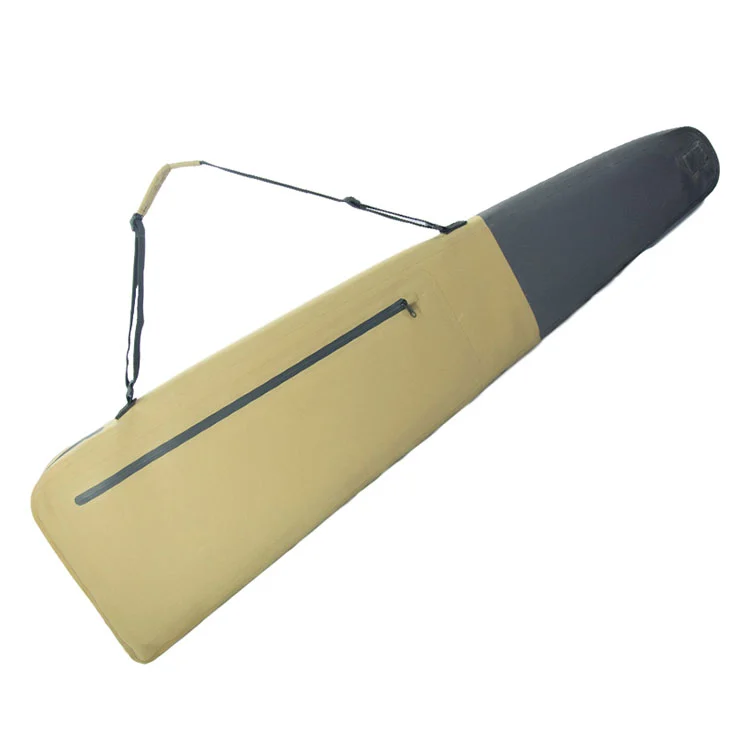
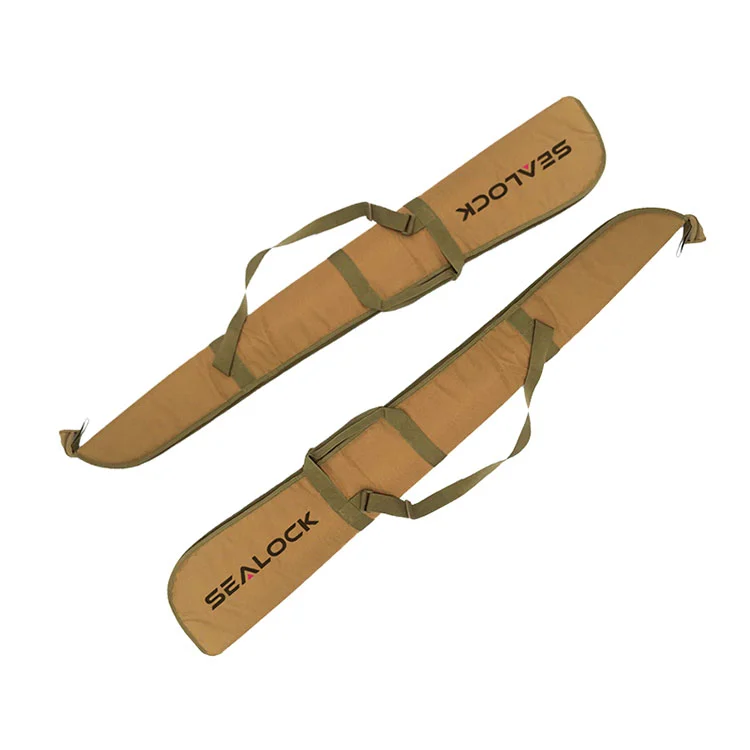
Sealock Kayak Canoe Waterproof Rifle Case measures 122 × 30 × 8 cm at approximately 1.1 kg, rated IPX7. At 8 cm thickness the flexible welded body lies flat along a hull floor and fits shallow tank wells and under-gunwale lockers. The 840D TPU laminated shell is RF welded with a sealed zipper welded into the body seam, and welded webbing anchors take a centreline lash or quick-release hardware. This case is not buoyant. MOQ 300 pcs, samples in 7–10 days.

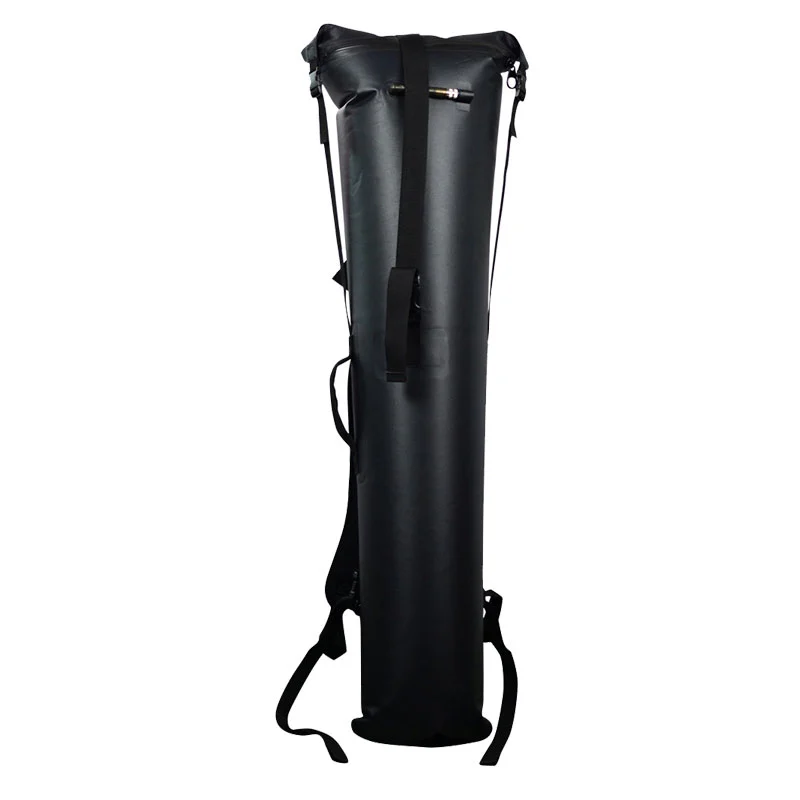
Lashing is through the welded webbing anchors along the centreline using releasable hardware only. Because a zippered case is not sealed with retained air, Kayak Canoe Waterproof Rifle Case does not float, and paddling programmes on deep or moving water should be quoted the roll-top range instead. Rolled length can be shortened for cockpit and tank-well stowage against a reference craft.

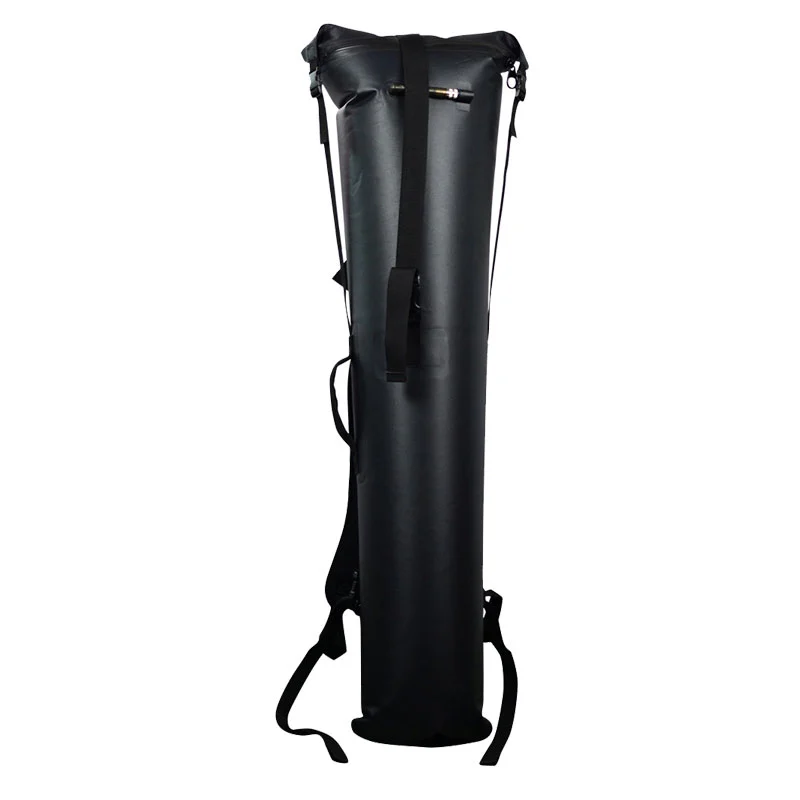
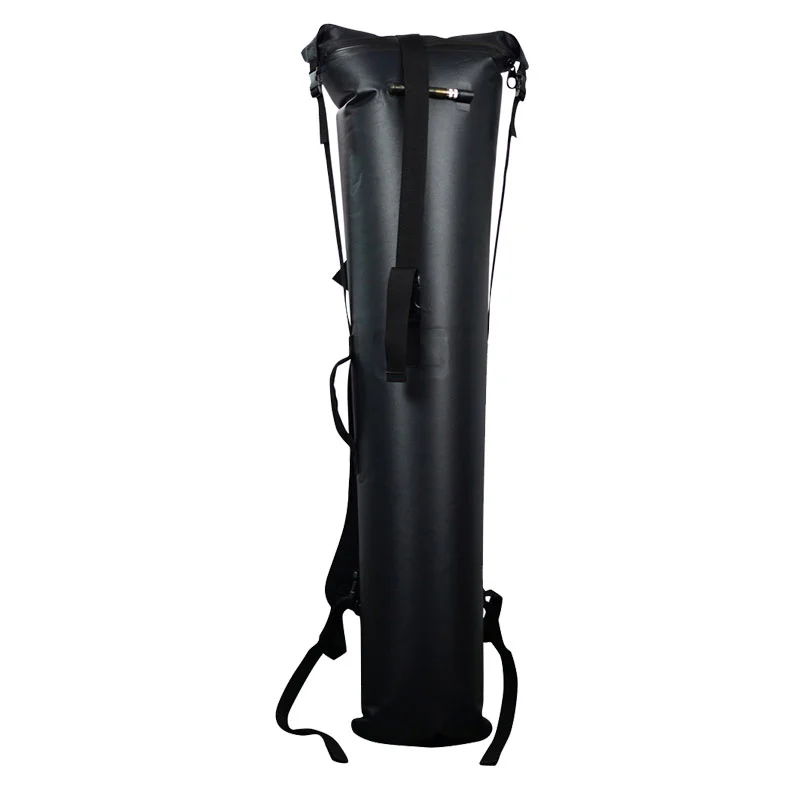
Stowage height is 8 cm against 25 cm for the roll-top tube, which places the load lower in the hull. Capacity is approximately 25–30 L against approximately 60 L, and the tube retains air and floats where this case does not. Water type therefore decides which of the two is specified.

Kayak Canoe Waterproof Rifle CaseFlat welded body suited to hull-floor stowage
Lying Low in a Hull

Factor SL-E603 flat 8 cm SL-E302 tube 25 cm
Height above the hull floor 8 cm 25 cm
Effect on centre of gravity Low Higher
Fits under a kayak deck or thwart Yes Often not
Sits in a shallow canoe bilge Lies flat in the curve Rolls against the curve
Under-gunwale locker Suits the shape Too deep for most
Capacity 25–30 L approx. 60 L
Floats if released in a capsize No Yes, sealed with retained air

On a craft where a few centimetres of load height changes how the boat behaves, the flat profile is a genuine handling advantage. It comes with a limitation that outweighs it in some conditions.

The Limitation, Stated First

This case does not float.Buoyancy on our roll-top range comes from air deliberately retained before rolling, and a zippered case is not sealed that way. If a paddler capsizes and the case comes free in deep or moving water, it will sink. Anyone paddling water where that is a realistic outcome should be sold the roll-top tube, which gives up the flat profile to gain buoyancy.

What the Kayak Canoe Waterproof Rifle Case does provide in a capsize is a firearm that stays dry inside it, rated to immersion at one metre for thirty minutes. That is worth something if the case is recovered — and nothing if it is not.

Choosing Between the Two

Paddling Situation Recommended Reason
Sheltered water, case lashed SL-E603 flat Low stowage; recovery risk minimal
Shallow marsh and backwater SL-E603 flat Case can be recovered from the bottom
Deep lakes SL-E302 roll-top A sunk case is unrecoverable
Moving rivers and whitewater SL-E302 roll-top Current carries a case away; it must float
Portage-heavy routes Either Flat carries better; tube floats better
Sit-on-top with open deck SL-E302 roll-top Exposed carry; overboard risk is real

Securing It

A case that slides changes trim mid-stroke, and one that cannot be released is a hazard in a capsize.

1. Lash through the welded webbing anchors, never through the strap loops alone

2. Run the lash along the centreline so the case cannot slide side to side

3. Use a releasable knot or quick-release hardware — never a fixed tie

4. Keep the release reachable from the paddling position and practise it before it matters

5. Lash before getting in and release before stepping out

Because this case will not float free and wait, the lash is doing more work here than on a buoyant case. A released tube can be recovered at the surface; a released flat case cannot.

Portages and Carries

Canoe routes alternate paddling and walking. The flat profile carries against the back better than a tube, which rolls and sits away from the body, and the removable strap means the case stows without hardware catching on other gear during a portage.

For routes with many portages and sheltered water between them, the flat case is often the better overall choice. For routes with long open crossings, buoyancy outweighs carrying comfort.

Specification

Item Specification
Model SL-E603
Product type Fully welded waterproof rifle case
Size 122 × 30 × 8 cm (estimated)
Weight approx. 1.1 kg (estimated)
Internal capacity approx. 25–30 L
Shell material 840D TPU laminated fabric
Construction RF welded, one-piece body
Seam type High-frequency welded, heat-sealed edges
Waterproof rating IPX7
Closure Waterproof zipper
Accessory pocket 1 welded waterproof zippered pocket
Profile Rounded buttstock chamber, tapered barrel chamber
Carry Adjustable removable shoulder strap + reinforced handle
Colourways Khaki / Black / Army Green, two-tone
Firearm compatibility Hunting, bolt-action, tactical rifles; shotguns
MOQ 300 pcs
Sample lead time 7–10 days
Production lead time 30–45 days
OEM / ODM Supported
Origin China

Paddlecraft Options

Option Notes
Lash anchor configuration Positioned for centreline lashing
Quick-release hardware Recommended for all paddlecraft use
High-visibility colour split Aids locating a case at the surface or in shallow water
Body length 48 in and 52 in quoted; shorter bodies tooled for kayaks
Body thickness 8 cm standard; confirmed against hull or locker depth
Strap removability Removable so nothing catches during a portage
Care card Multilingual; covers rinsing after salt or silt
Roll-top alternative Quoted alongside for buoyancy-critical customers

Production Sequence

6. Incoming fabric inspection and weldability trial

7. Welding parameter setup and first-article peel test

8. Precision cutting and RF welding of the flat chambered shell

9. Sealed zipper welded into the body seam

10. Welded lash anchor and strap patch attachment

11. Loaded lash and hull fit check where a reference craft is supplied

12. Immersion verification with load applied at the anchors

13. Final inspection and export packing

Anchor and Seal Checks

Check Method Frequency
Lash anchor patch weld Visual at each anchor position 100%
Anchor patch peel Destructive peel on a sample patch Start of every run
Loaded thickness Measured with a reference gun cased Sampling
Hull or locker fit Sample fitted where a craft is supplied At sampling
Zipper-to-shell weld Full-run inspection 100%
Immersion verification IPX7 condition on a finished unit Per approved sampling plan

On-Water Trials

Trial Method Outcome
Hull stowage Case lashed on the centreline of a loaded canoe Lay flat; no sliding under lean
Capsize, released Boat rolled with the case released Case sank as expected — confirming the stated limit
Capsize, contents Case recovered and opened after immersion Firearm dry inside
IPX7 immersion Finished unit, 1 m for 30 minutes No ingress at seams, closure, or anchors
Lash anchor load Sustained load at welded anchors No patch separation
Salt and silt rinse Track contaminated, then rinsed with slider run Sealing restored
Portage carry Loaded case carried on the removable strap Lay against the back; no hardware snagging

The capsize result is published as it stands. The case sinks and the firearm inside stays dry, which is exactly what a non-buoyant waterproof case does, and paddlers should choose knowing it.

Where It Suits

Sheltered water paddling with the case lashed; marsh, backwater, and shallow access where a sunk case can be recovered; portage-heavy routes between sheltered stretches; canoe hunting on calm water; kayak fishing and hunting where deck or locker depth rules out a tube; and any paddling programme where stowage height matters more than buoyancy.

Recent Work

Minnesota — canoe outfitter

Routes were portage-heavy across sheltered lakes, so carrying comfort and low stowage mattered more than buoyancy on their water. We supplied the flat case with quick-release lash hardware and a high-visibility colour split for shallow recovery, and quoted the roll-top for their one open-crossing route. 300 pcs, 43 days.

Florida — kayak fishing and hunting brand

Sit-in kayak tank wells were too shallow for a tube. The 8 cm profile fitted, and we shortened the body for cockpit stowage against a supplied reference kayak. Their open-water customers were directed to the roll-top. 400 pcs, 44 days.

British Columbia — guided river operation

We recommended against this case for their use. Moving water meant a released case would be carried away and sunk, so buoyancy was not optional, and we quoted the roll-top instead. They ordered the flat case only for their lake-based camps. 150 pcs flat, 350 pcs roll-top, 45 days.

What Buyers Told Us

“You told us not to buy this one for the river. That is the reason we bought the other one from you as well.”

— Owner, Guided River Operation

“The tank well is shallow. Nothing waterproof fitted until this, and the rating is the same as the tube.”

— Product Lead, Kayak Fishing Brand

“Portages every hour and calm lakes between. Flat carries better and we accepted it does not float.”

— Head Guide, Canoe Outfitter

1. Does Kayak Canoe Waterproof Rifle Case float?

No. Buoyancy on our roll-top range comes from air deliberately retained before rolling, and a zippered case is not sealed that way. Released in deep water it will sink.

2. Then why use it on a paddlecraft at all?

Stowage height. At 8 cm it lies against the hull floor where a 25 cm tube sits proud, keeping the load low on a craft where centre of gravity decides stability. It also fits shallow tank wells and under-gunwale lockers a tube cannot enter.

3. Which water should it not be used on?

Deep lakes, moving rivers, whitewater, and exposed open-deck carry — anywhere a released case would be unrecoverable. Those customers should be sold the roll-top tube.

4. What happens in a capsize?

The case sinks and the firearm inside stays dry, rated to immersion at one metre for thirty minutes. That is worth something if the case is recovered and nothing if it is not, which is why water type decides the choice.

5. How should it be lashed?

Through the welded webbing anchors rather than the strap loops, along the centreline so it cannot slide, using a releasable knot or quick-release hardware. Never fix it permanently — in a capsize, gear that cannot be freed is a hazard.

6. Does the lash matter more on this case than a buoyant one?

Yes. A released tube can be recovered at the surface; a released flat case cannot. The lash is doing more work here, and the release should be practised before it is needed.

7. Will it fit a kayak tank well or cockpit?

Often, where a tube will not. Send the well dimension or the kayak itself and we will fit a sample at sampling, and shorter bodies can be tooled for cockpit stowage.

8. IsKayak Canoe Waterproof Rifle Case better than a tube on portages?

It carries against the back better, because a tube rolls and sits away from the body, and the removable strap means nothing catches during a carry. On routes with long open crossings, buoyancy outweighs that.

9. Does salt water affect it?

The welded shell and hardware are unaffected. Rinse the zipper track with fresh water and run the slider through, since silt and salt between the sealing faces are what degrade the closure.

10. Can we order both cases in one programme?

Yes, and several paddling customers do — the flat case for sheltered and portage routes, the roll-top for open water, with counter guidance on which to recommend.

11. What colour should we specify?

A high-visibility colour split aids locating a case at the surface or in shallow water. Khaki, black, and army green are available in any two-tone combination.

12. What are the commercial terms?

MOQ 300 pcs, samples in 7–10 days, production in 30–45 days, quoted EXW, FOB, or CIF, with development covering lash anchors, body length and thickness, colour split, hardware, and packaging.

Send Inquiry
Contact Info
Send your inquiry to Sealock, submit your requirements here. We provide prompt response support services for hunting equipment brands worldwide.
X
We use cookies to offer you a better browsing experience, analyze site traffic and personalize content. By using this site, you agree to our use of cookies. Privacy Policy
RejectAccept