Products
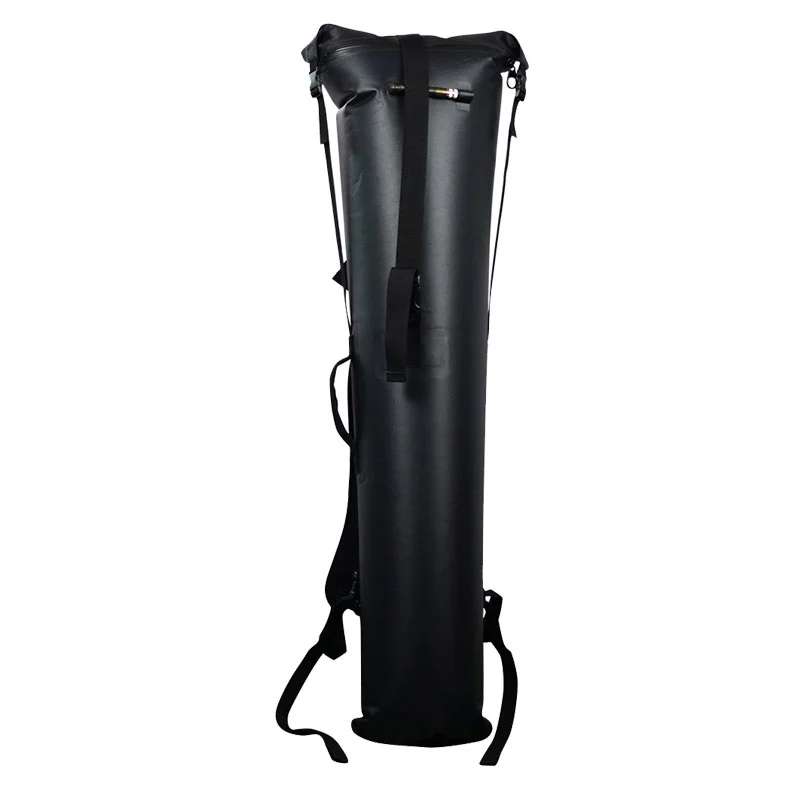
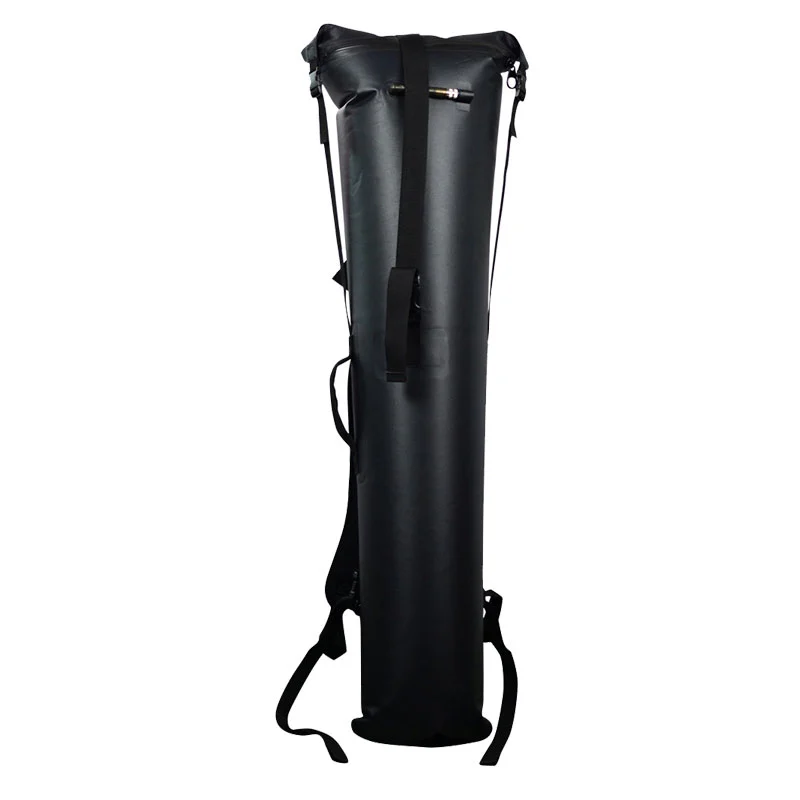
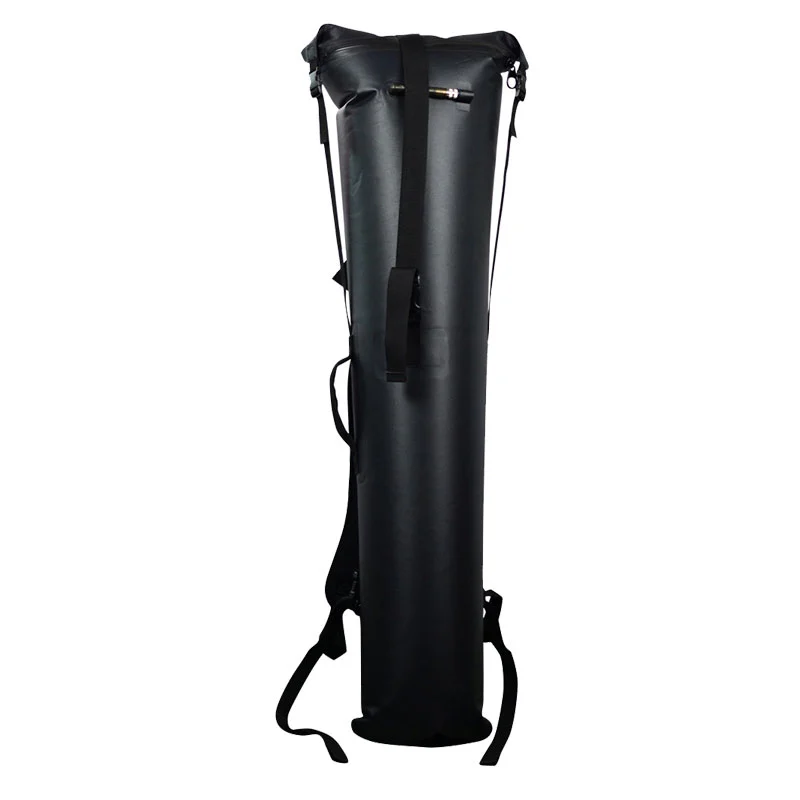
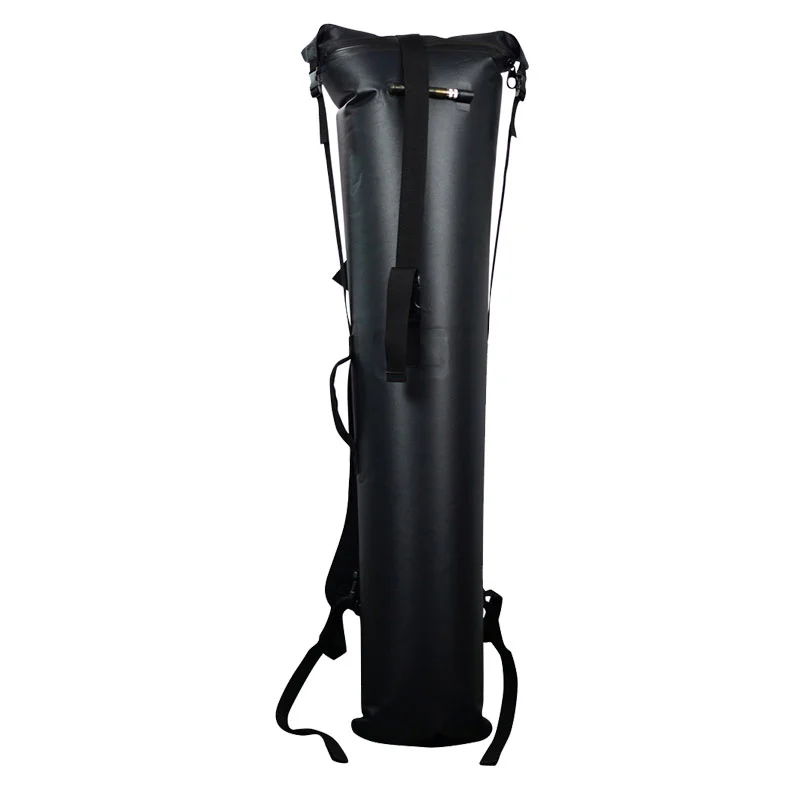
Submersible Waterproof Rifle Case
  • Submersible Waterproof Rifle CaseSubmersible Waterproof Rifle Case

Submersible Waterproof Rifle Case

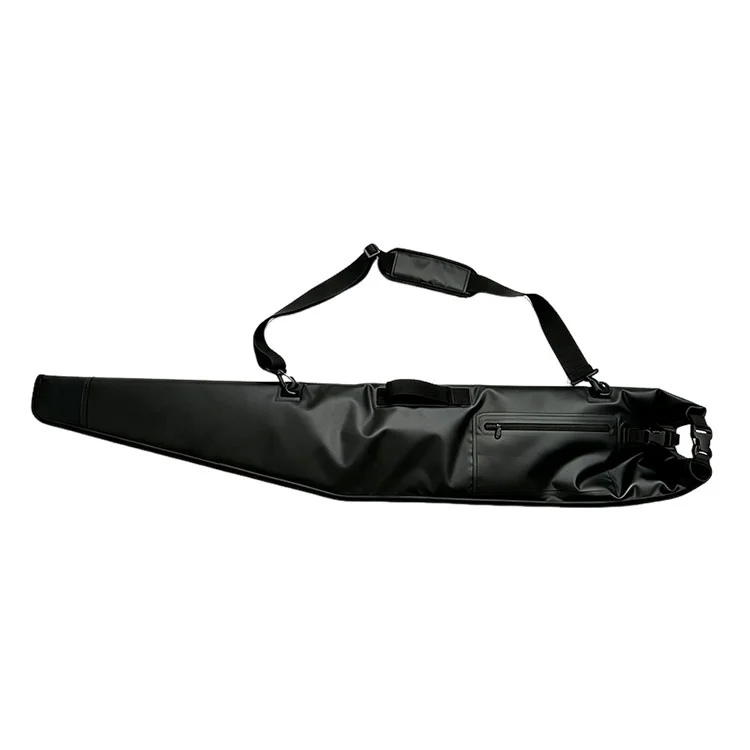
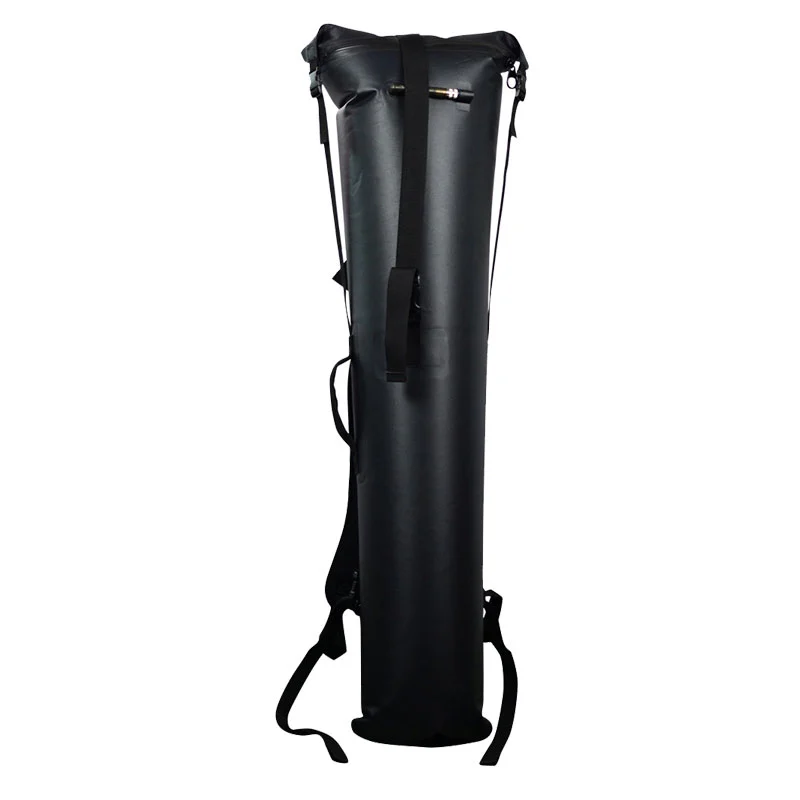
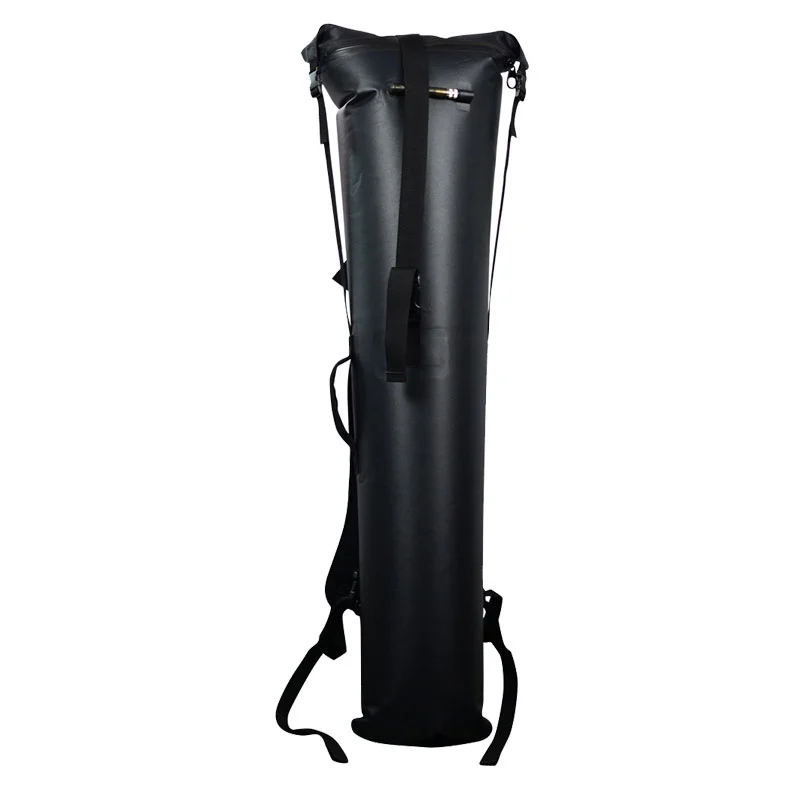
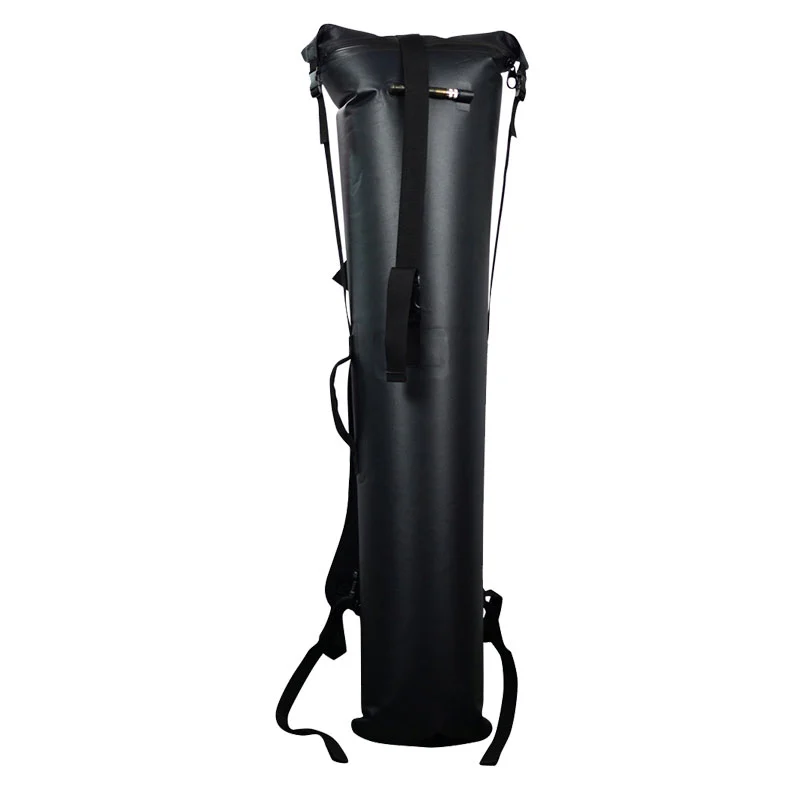
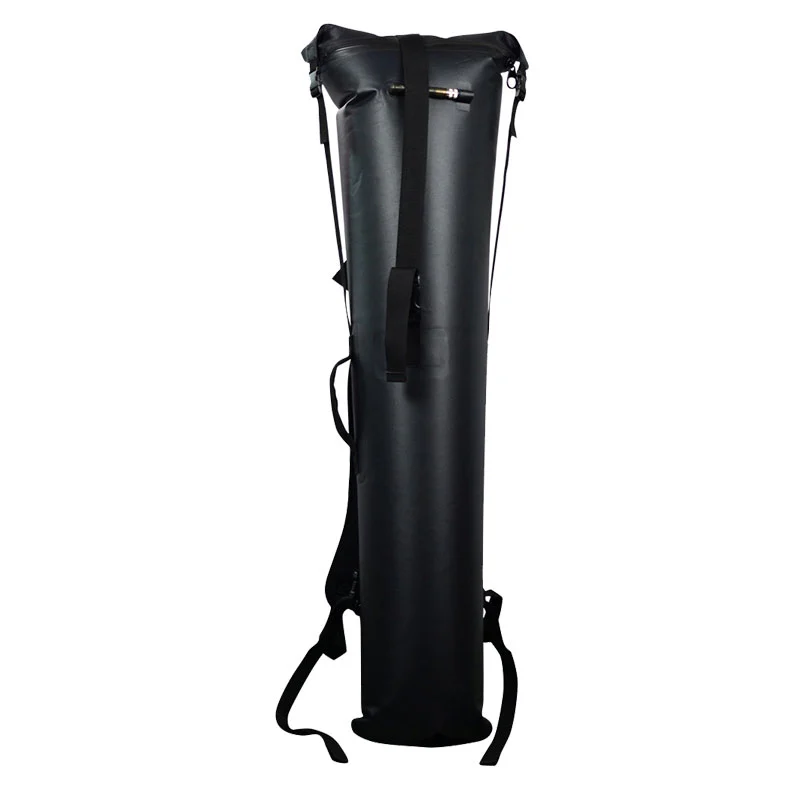
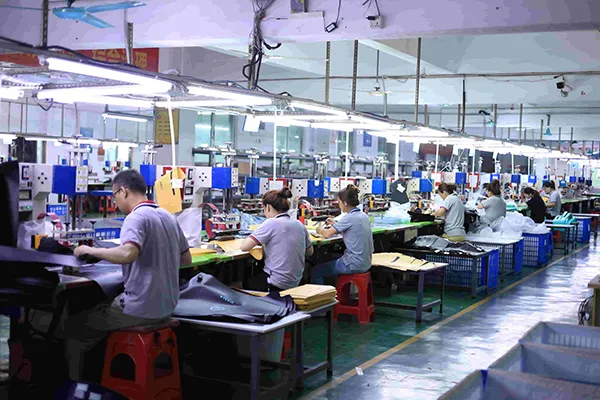
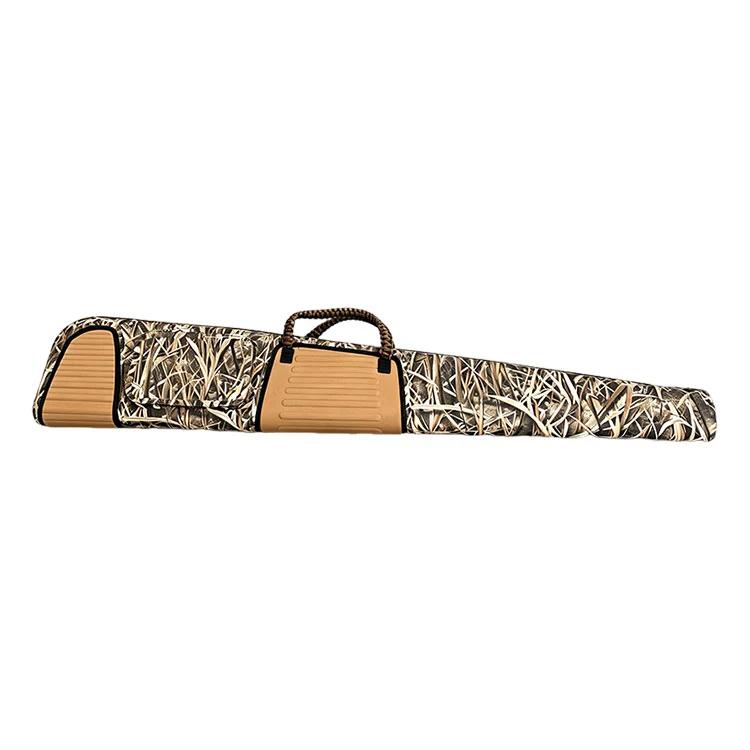
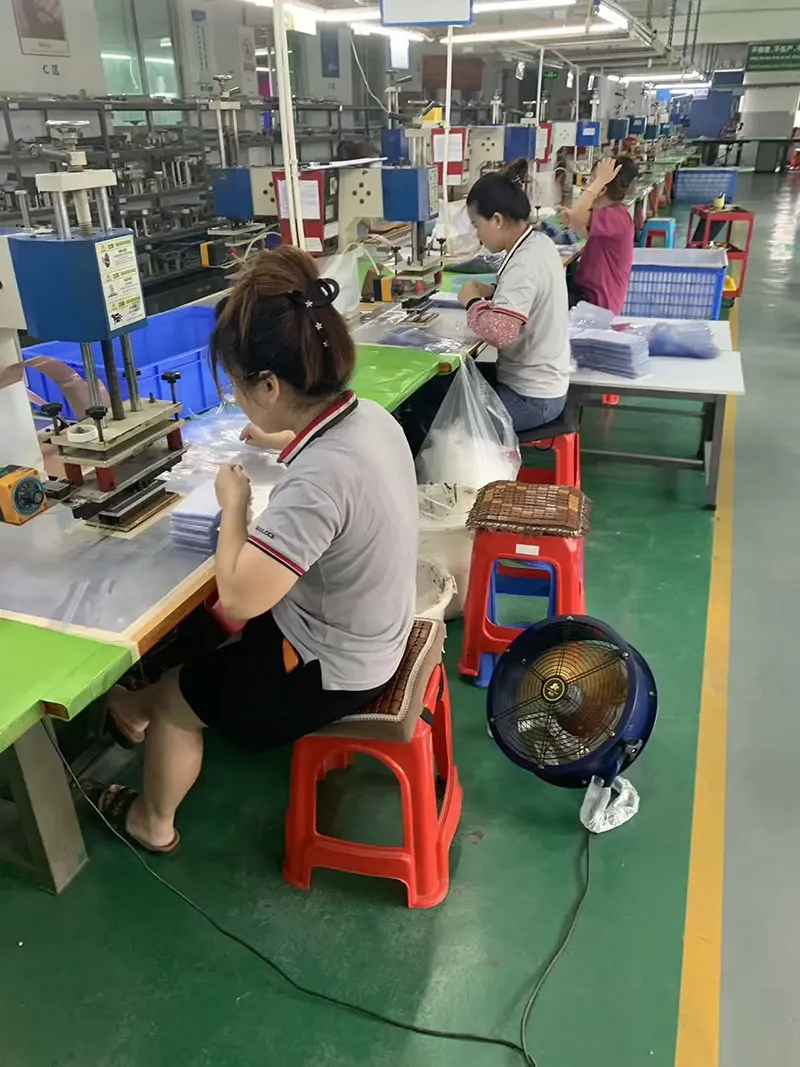
IPX7 under IEC 60529 means immersion in one metre of water for thirty minutes — a hydrostatic load of 9.81 kPa applied continuously to every seam. Procurement teams qualifying a vendor for a submersible waterproof rifle case can audit Sealock's welding line and inspection records before a bulk purchase. SL-E302: 130 × 25 cm, 60 L, 1.35 kg.

Submersible is the strongest waterproof claim a soft firearm case can carry, and it is the most loosely used word in the category. IEC 60529 defines what it means: an IPX7 product is verified to keep water out while fully immersed in one metre of water for thirty minutes. Anything described as submersible without a rating and a test condition behind it is a description rather than a specification.

Submersible Waterproof Rifle CaseSL-E302 submersible waterproof rifle case
Rating and Figures

Specification Value
Model SL-E302
Waterproof Rating IPX7 (IEC 60529)
Test Condition Immersion, 1 m depth, 30 minutes
Hydrostatic Load at Test Depth 9.81 kPa (0.098 bar / 1.42 psi)
Shell 840D TPU laminated, RF welded, zero perforations
Closure Roll-top, three folds minimum, POM buckles
Dimensions / Capacity 130 × 25 cm / 60 L
Net Weight 1.35 kg ± 0.15 kg
MOQ / Sampling / Production 300 pcs / 7–10 days / 30–45 days

The IPX Scale and Where IPX7 Sits

IPX ratings come from IEC 60529. The X indicates that dust ingress was not separately rated; the digit that follows describes protection against water. The scale is not linear — the first six levels describe water arriving at a surface, and only the last two describe the product being underwater.

Rating Test Condition What It Covers
IPX1–IPX2 Dripping water, vertical and tilted 15° Condensation, light drips
IPX3 Spraying water up to 60° from vertical Light rain
IPX4 Splashing water from any direction Spray, driving rain
IPX5 Water jets, 6.3 mm nozzle Hosing down
IPX6 Powerful water jets, 12.5 mm nozzle Heavy sea, deck wash
IPX7 Immersion, 1 m for 30 minutes Dropped in water and recovered
IPX8 Immersion beyond 1 m, conditions set by manufacturer Sustained or deeper submersion
The distinction that matters:IPX6 and IPX7 are not sequential grades of the same thing. IPX6 tests a jet striking a surface, with no immersion at all. IPX7 tests the product underwater. A product can pass IPX6 and fail IPX7, because water arriving at speed and water sitting at depth load a seal in different ways.

What One Metre of Water Actually Applies

Hydrostatic pressure rises with depth at roughly 9.81 kPa per metre in fresh water. That figure sets the load an IPX7 seal is verified against, and it explains why rain resistance says nothing about immersion performance.

Condition Pressure on the Seal Note
Rain on the surface Negligible Water runs off; no sustained load
0.3 m — shallow wade 2.94 kPa (0.029 bar) Bag partly submerged
0.5 m — bag on a flooded floor 4.91 kPa (0.049 bar) Typical boat well depth
1.0 m — IPX7 test depth 9.81 kPa (0.098 bar) Verified condition for this product
2.0 m — deeper immersion 19.62 kPa (0.196 bar) Beyond the IPX7 test condition

Unlike rain, this load is applied continuously and simultaneously to every seam and to the whole closure. It is why immersion protection requires welded seams rather than taped ones — an adhesive strip is holding back a steady pressure rather than shedding a passing one.

Static Immersion and Dynamic Pressure Are Different Tests

IPX7 is a static immersion test. The product rests underwater at a stated depth and the pressure is steady and predictable.

Dynamic pressure is water being forced against a seal — by current, by a wake, by the case being dragged through water, or by the bag being compressed while submerged. Those conditions load a closure more aggressively than still water at the same depth, and they are not what the IPX7 test measures.

• IPX7 verifies performance under static immersion to 1 m for 30 minutes

• It does not measure resistance to jets, sustained current, or compression at depth

• Pressure figures quoted in bar are not derived from immersion testing and are not stated here

• Buyers requiring a pressure-rated specification can request a separate test protocol at sampling

What the Rating Assumes

An IPX7 rating describes a product in sound condition, correctly sealed. Both conditions are within the user's control and both are covered on the instruction card supplied with each unit.

Condition Effect on the Rating
Fewer than three roll folds Sealing contact insufficient; water enters at the opening
Uneven or bunched roll Creates a weak point along the closure line
Debris trapped in the fold Breaks seal contact across the compressed band
Puncture or deep abrasion in the shell Bypasses the welded barrier entirely
Buckles not fully engaged Roll loosens under pressure
Immersion beyond 1 m or 30 minutes Exceeds the verified test envelope

How to Verify a Submersible Claim

Buyers evaluating this category — from us or from any other manufacturer — can substantiate a rating with five questions.

1. What rating is claimed, and under which standard? IPX ratings without a reference to IEC 60529 are not specifications.

2. What depth and duration were tested? IPX7 is defined as 1 m for 30 minutes; IPX8 has no fixed condition and is meaningless without the manufacturer's stated figures.

3. Was the test static immersion or pressurised? Be cautious of bar figures presented as derived from immersion tests.

4. How is performance verified in mass production, not only at sampling? Ask for the in-line inspection method and rate.

5. Can third-party inspection be arranged? SGS or QIMA involvement converts a claim into a documented report.

We answer all five during quotation for the SL-E302, and the welding line and inspection process are open to buyer audit at either facility.

Construction Behind the Rating

Element Contribution
840D TPU laminated shell Non-porous barrier; no fabric path for water under pressure
RF welded seams Zero needle perforations; nothing for steady pressure to find
Three-fold roll-top Approximately 590 cm² of compressed sealing contact across the opening
POM side-release buckles Hold roll tension under load; corrosion-free in salt water
Welded reinforcement patches Carry points attached without piercing the sealed shell
Reinforced circular base Resists the abrasion that would otherwise breach the barrier

Specification

Product Data

Item Specification
Model Number SL-E302
Product Name Submersible Waterproof Rifle Case
Standard IEC 60529
Waterproof Rating IPX7 — immersion to 1 m for 30 minutes
Shell Material 840D TPU laminated (500D PVC / 420D TPU optional)
Seam Construction RF welded
Closure Roll-top, three folds minimum, POM side-release buckles
Dimensions 130 × 25 cm
Usable Capacity 60 L
Net Weight 1.35 kg ± 0.15 kg
Max Firearm Length 50 in (127 cm)
Carrying Style Hand / Shoulder / Backpack
Third-Party Inspection SGS / QIMA on request
OEM / ODM Supported

Test and Build Options

Option Available Notes
Custom Test Protocol at Sampling ✔ For buyers requiring pressure-rated data
Tube Diameter and Length ✔ Adjusts clearance and firearm range
Shell Material ✔ 840D TPU / 500D PVC / 420D TPU
High-Visibility Colourway ✔ For surface recovery after immersion
Logo Printing / Welded Patch ✔ Applied without piercing the shell
Sealing Instruction Card ✔ Multilingual available
Third-Party Inspection ✔ SGS or QIMA arranged per production run
Packaging / Private Label ✔ Colour box, printed carton, hang tag

When the Rating Is Warranted

An IPX7 rating is warranted where the firearm may go fully underwater rather than merely get wet:

Capsize-risk paddling — kayak, canoe, packraft, deep wading and river crossings, flooded-timber and deep-marsh waterfowl hunting, open-boat hunting in rough water, coastal, estuary, and surf-zone access, expedition travel on water routes, flood-prone storage environments, and guide fleets where equipment loss is costly.

Build Sequence

6. 840D TPU fabric inspection and weldability confirmation

7. Welding parameter setup and first-article peel test

8. Precision cutting of cylindrical body panels

9. RF welding of shell seams

10. Closure edge reinforcement and forming

11. Welded reinforcement patch and base application

12. Buckle, webbing, and strap assembly

13. Immersion verification against the IPX7 condition

14. Final quality inspection and export packing

Verification in Production

Immersion performance is verified in production rather than only at sampling.

Inspection Item Standard
Incoming Material Inspection (IQC) Every batch
First-Article Weld Peel Test Start of every run
Welded Seam Integrity 100%
Closure Edge and Buckle Inspection 100%
Immersion Verification (IPX7 condition) Per approved sampling plan
Dimensional Verification Sampling
Appearance and Colour 100%
Packaging Inspection (OQC) 100%

Immersion Trials

Test Item Method Result
IPX7 Immersion Sealed case immersed to 1 m for 30 minutes No ingress at seams or closure
Repeated Immersion Cycles Multiple submerge-and-dry cycles No degradation of seams or closure
Fold Count Comparison Sealed at 2, 3, and 4 folds, then immersed Three folds required; two insufficient
Salt-Water Immersion Immersed in salt water, rinsed and dried No hardware corrosion; seams unaffected
Post-Abrasion Immersion Shell abraded, then re-immersed Seal retained where the shell was not punctured
Weld Seam Peel Destructive peel on welded sample Parent fabric tore before seam separation
Flotation with Load Sealed with retained air, rifle-weight load Floated with contents above the surface
Low-Temperature Sealing Sealed after 12 h at -20°C, then immersed Closure remained pliable; seal held

Rating Tiers Compared

Scenario Water-Resistant Case IPX6-Class Case SL-E302 (IPX7)
Steady rain Adequate Adequate Adequate
Heavy spray / deck wash Marginal Adequate Adequate
Laid on saturated ground Marginal Adequate Adequate
Dropped in water, recovered quickly Fails Not verified Verified
Capsize with delayed recovery Fails Not verified Verified to 30 minutes
Deep wade with case submerged Fails Not verified Verified to 1 m

Packing and Terms

Item Specification
Individual packing PE protective bag
Carton 132 × 32 × 32 cm, 4 pcs, 5.4 kg net
Sealing instruction card Supplied with each unit
MOQ 300 pcs
Sample lead time 7–10 days
Production lead time 30–45 days
Trade terms EXW / FOB / CIF
Certifications ISO 9001, BSCI, SMETA, GRS (material dependent)

In the Box

Included Item Quantity
Submersible Waterproof Rifle Case (SL-E302) 1
Adjustable Removable Shoulder Strap 1
Backpack Straps 1 set
Sealing Instruction Card 1
PE Protective Bag 1

Documentation and Support

• 12-month warranty against manufacturing defects, including welded seams and closure

• Test documentation available for OEM quality files

• Third-party inspection coordination on request

• Multilingual sealing instruction cards to reduce user-error returns

• Welding parameter records retained per project

Client Work

Project:

Supplier Re-Qualification for a Coastal Hunting Brand

A coastal hunting brand had previously sourced cases advertised as submersible with no rating or test condition stated. The cases failed in estuary use, and the brand absorbed the returns.

Re-qualifying its supply base, the brand required every candidate to state a rating under IEC 60529 with the tested depth and duration, describe the test method, and agree to third-party inspection on the first run. We supplied the IPX7 condition in writing, declined to quote a bar pressure figure that immersion testing does not measure, and arranged SGS inspection for the first production run.

• Initial order: 700 pcs

• Customized features: High-visibility colourway option, salt-water hardware specification, multilingual sealing card

• Sample lead time: 9 days

• Production lead time: 44 days

• Outcome: Third-party inspection completed on the first run; test documentation retained in the brand's quality file

What Buyers Told Us

“Every other supplier quoted a number. You quoted a standard, a depth, and a duration. That is what our compliance team needed.”

— Product Manager, Coastal Hunting Brand

“Having the test conditions in writing meant our returns team could answer customer questions instead of guessing.”

— Quality Lead, Outdoor Equipment Importer

“The point that IPX6 and IPX7 are different tests rather than sequential grades changed how we wrote our own product copy.”

— Category Buyer, Marine Retail Group

Questions From Procurement

1. What does IPX7 mean exactly?

Under IEC 60529, IPX7 is protection against the effects of immersion in water at one metre depth for thirty minutes. It is a defined test condition rather than a descriptive term, which is what separates a specification from a claim.

2. Is IPX7 better than IPX6?

They test different things. IPX6 subjects the product to a powerful water jet from a 12.5 mm nozzle with no immersion; IPX7 puts the product underwater. A product can pass one and fail the other, so they are not sequential grades of the same property.

3. How much pressure does one metre of water apply?

Approximately 9.81 kPa, or 0.098 bar. Unlike rain, that load is continuous and acts on every seam and the entire closure simultaneously, which is why immersion protection requires welded rather than taped seams.

4. Can you give a pressure rating in bar?

Not from immersion testing, because immersion testing does not measure pressure resistance. Converting one to the other would misrepresent what was tested. If a pressure-rated specification is required, a separate test protocol can be arranged at sampling.

5. What is the difference between static immersion and dynamic pressure?

Static immersion is the product resting underwater at a stated depth, with steady and predictable pressure. Dynamic pressure is water forced against the seal by current, a wake, dragging, or compression at depth. IPX7 verifies the first condition, not the second.

6. What voids the rating in the field?

Fewer than three roll folds, an uneven roll, debris trapped in the fold, a puncture or deep abrasion in the shell, buckles not fully engaged, or immersion beyond one metre or thirty minutes. All are covered on the instruction card supplied with each unit.

7. Will it survive a capsize?

That is the design case. The welded shell and three-fold roll-top keep the interior dry while submerged, and the retained air volume keeps the case at the surface. Recovery normally takes a minute or two against a rating verified to thirty.

8. Does abrasion affect the rating?

Surface abrasion generally does not, but a puncture or deep gouge bypasses the welded barrier. In post-abrasion testing an abraded but unpunctured shell retained its seal on re-immersion.

9. Is IPX8 available?

IPX8 has no fixed test condition under the standard — the manufacturer defines the depth and duration, which is why an IPX8 claim without stated figures carries no information. A custom immersion protocol beyond the IPX7 condition can be arranged at sampling if your market requires it.

10. How do you verify immersion performance in mass production?

Through first-article weld peel testing at the start of every run, 100% welded seam integrity inspection, and immersion verification against the IPX7 condition per the approved sampling plan. Third-party inspection by SGS or QIMA can be arranged.

11. Can we witness or audit the testing?

Yes. The welding line and inspection process are open to buyer audit at either facility, and third-party inspection can be arranged for a first production run.

12. What documentation can you supply for our compliance file?

Test conditions and results, welding parameter records for the project, inspection reports, and third-party inspection reports where arranged. These are commonly requested by importers building a compliance file.

Send Inquiry
Contact Info
Send your inquiry to Sealock, submit your requirements here. We provide prompt response support services for hunting equipment brands worldwide.
X
We use cookies to offer you a better browsing experience, analyze site traffic and personalize content. By using this site, you agree to our use of cookies. Privacy Policy
RejectAccept