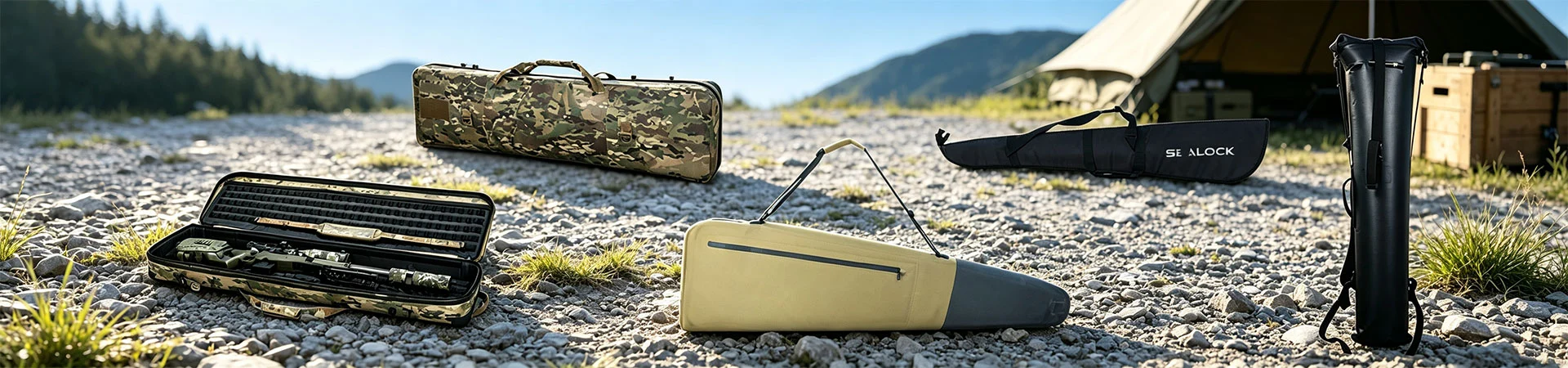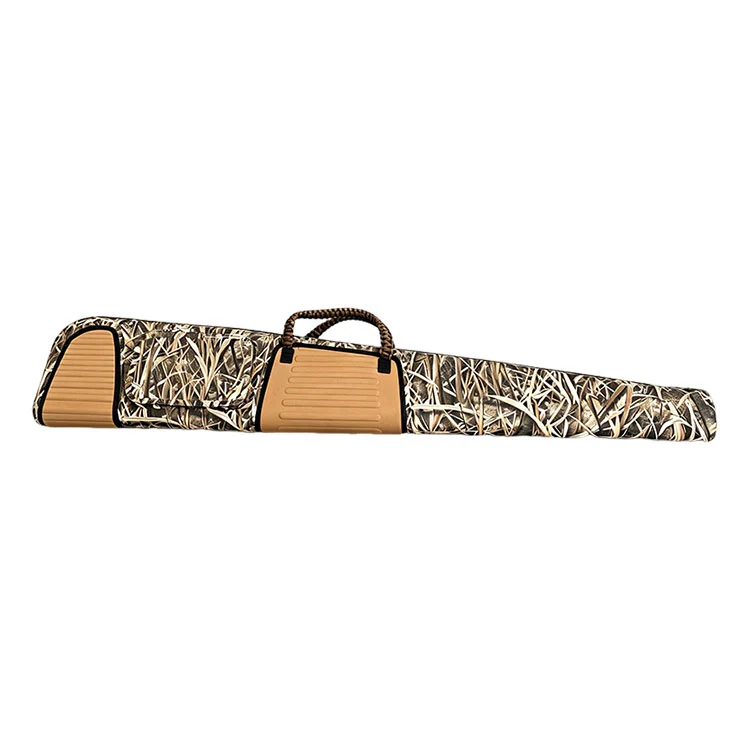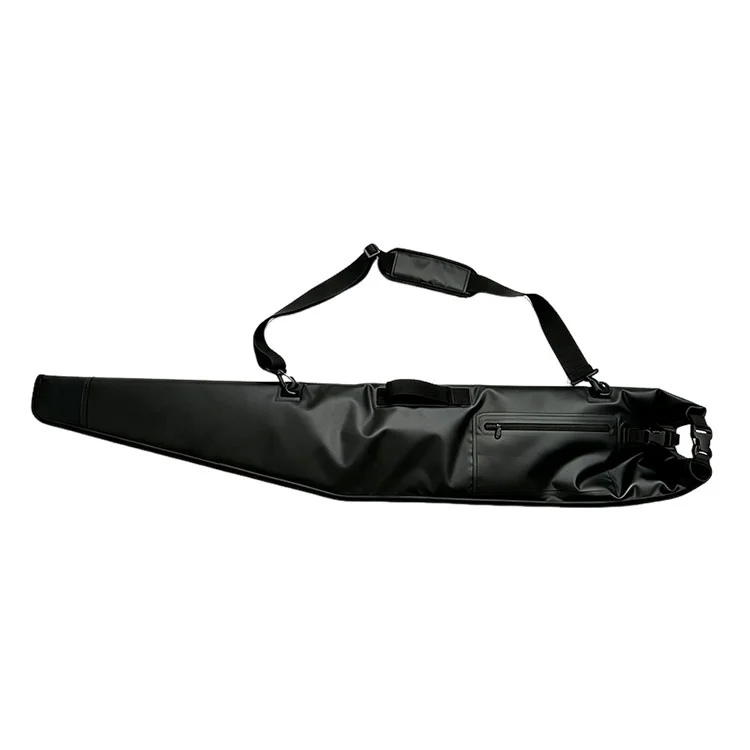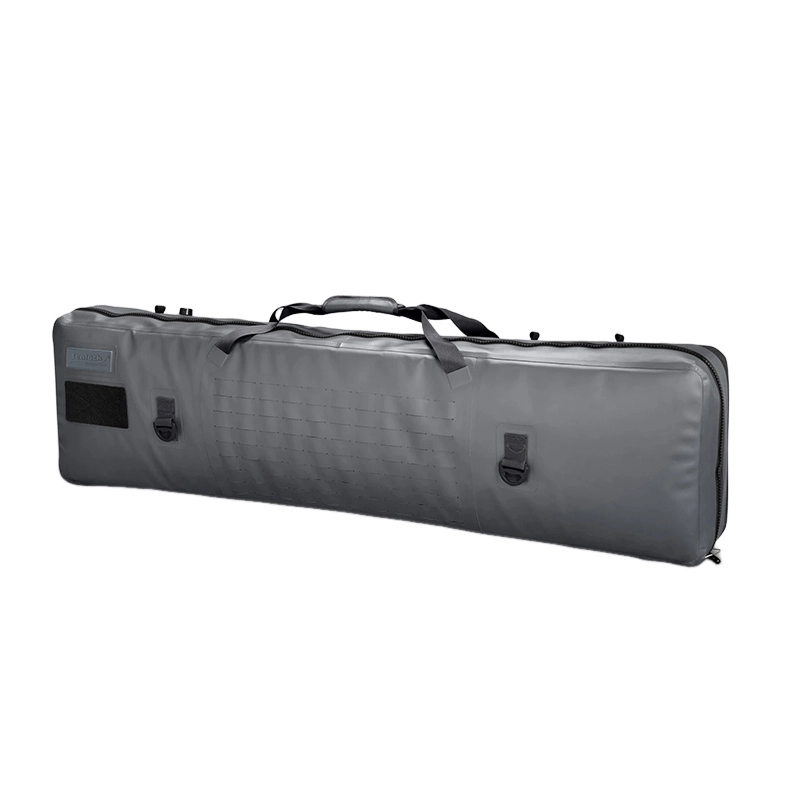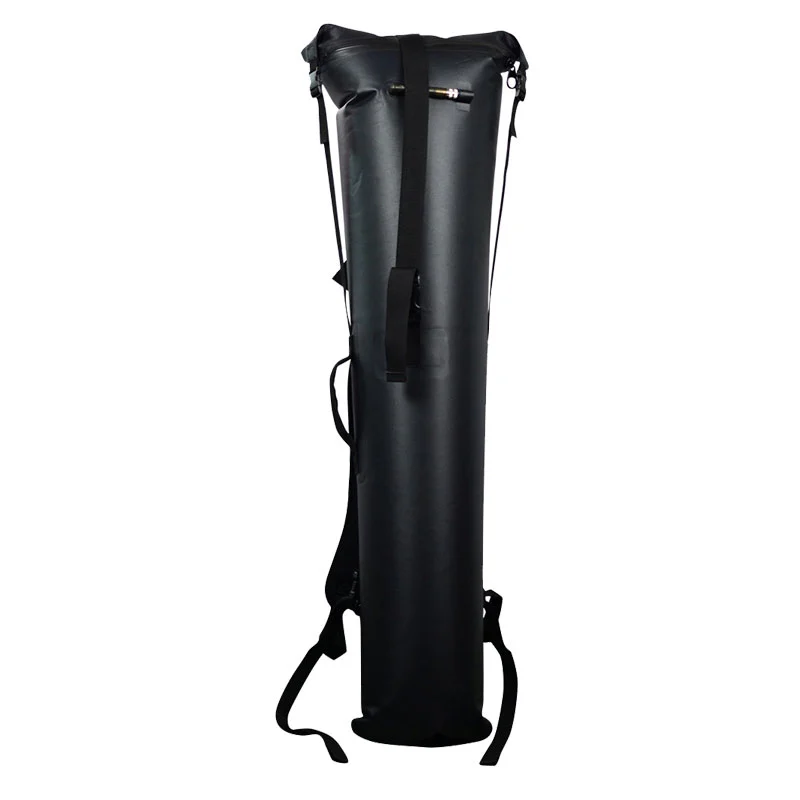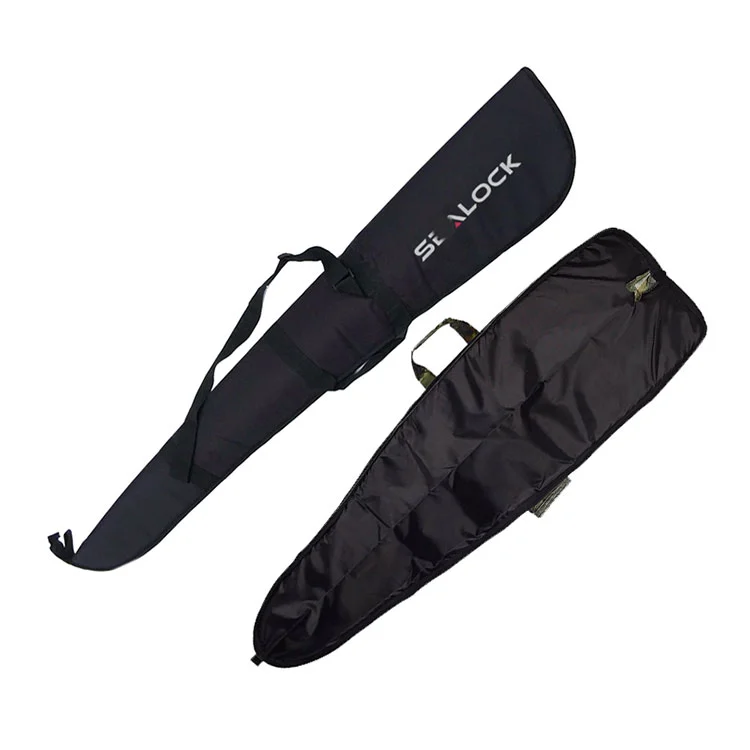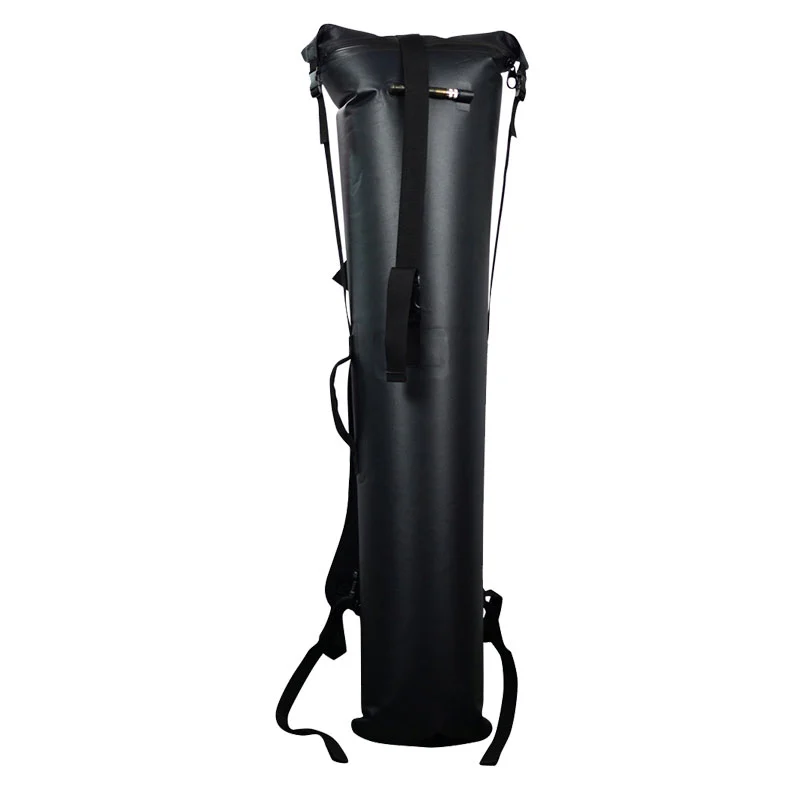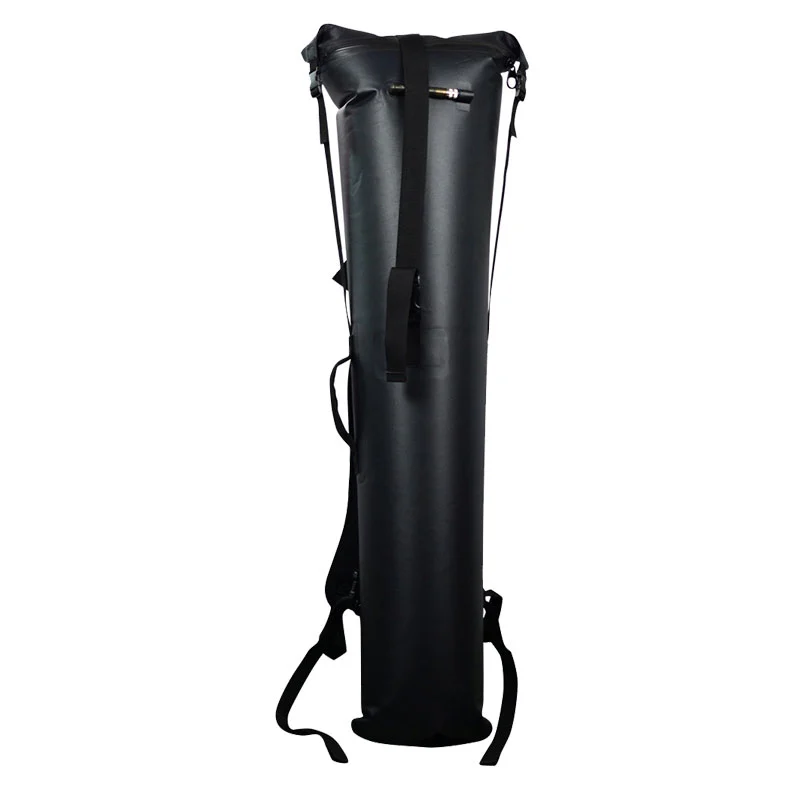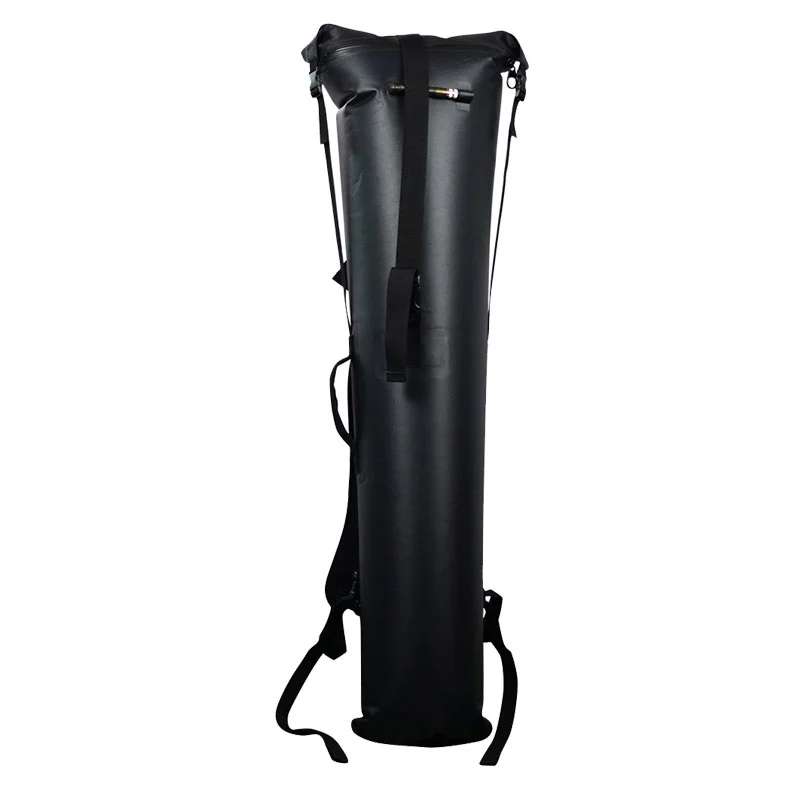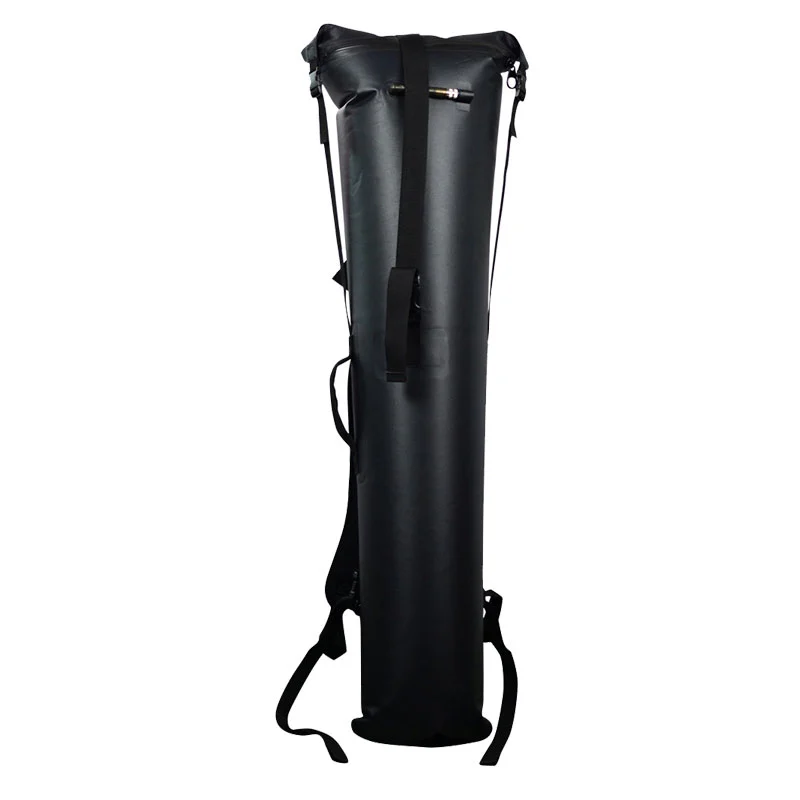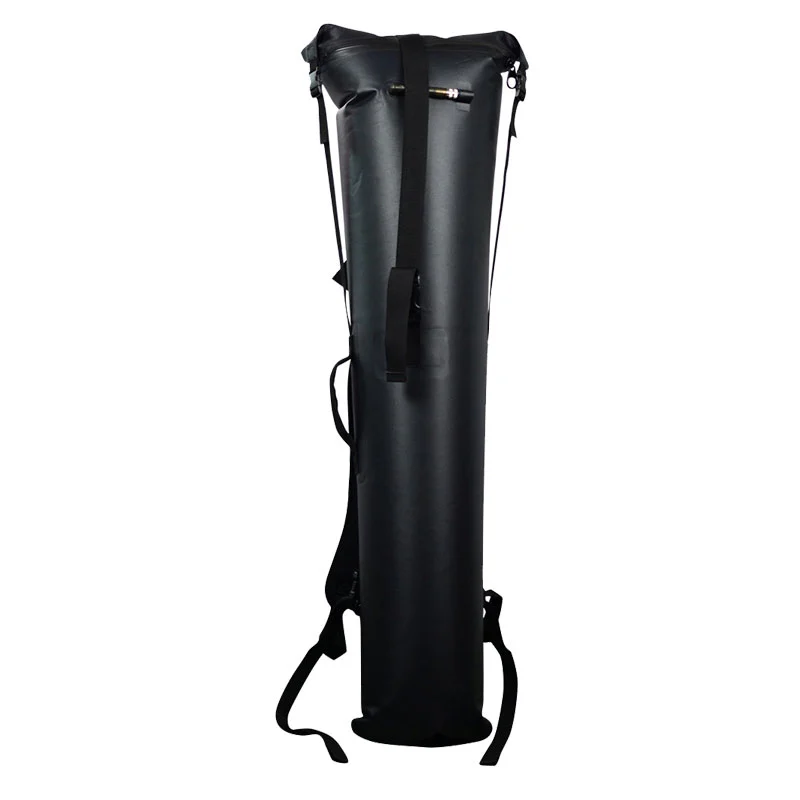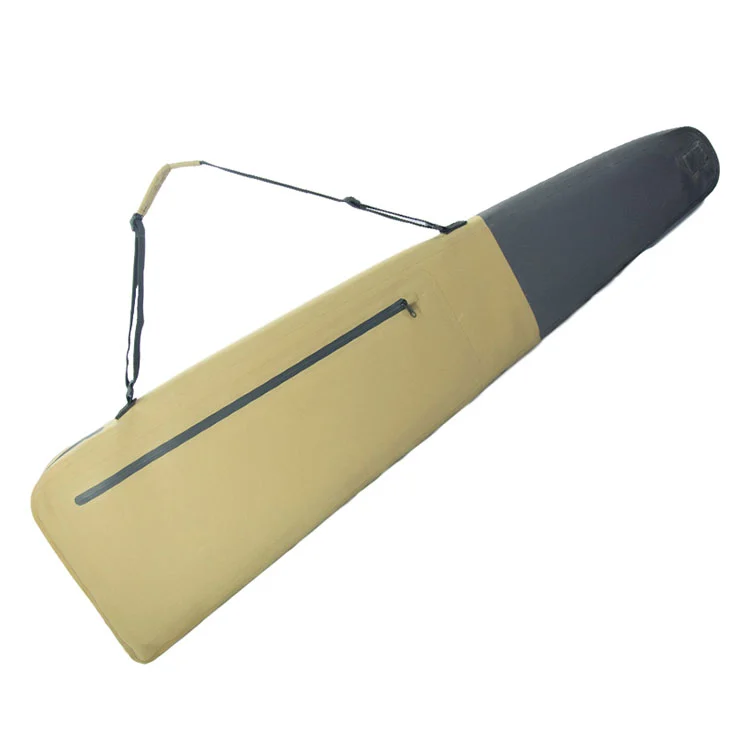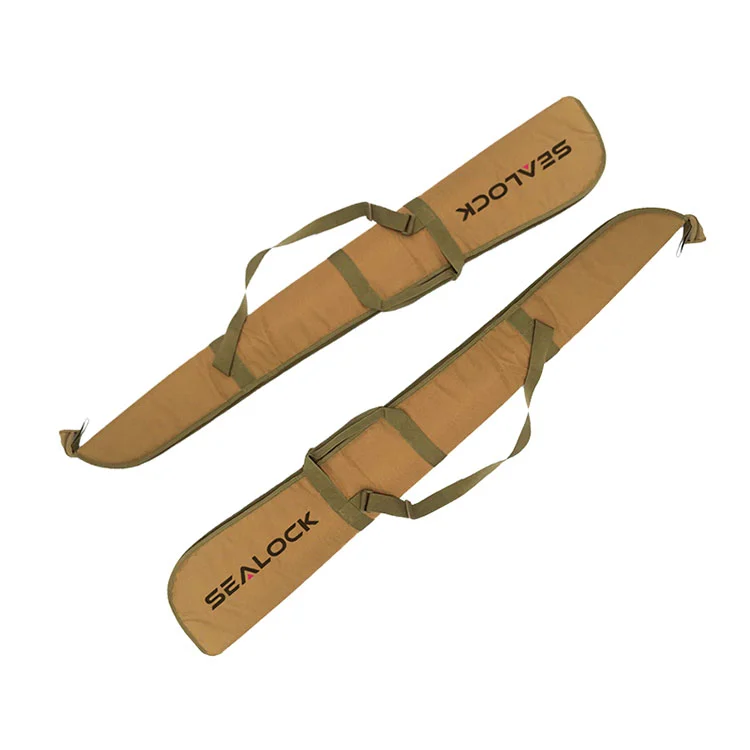
Looking for a professional supplier of Zippered Rifle Case? Choose Sealock. We reinforce the full-length nylon coil zippers and secure both ends with knotting. The size is 122×26cm and the self-weight is approximately 0.85kg. The minimum order quantity is 300 pieces. The sample period is 7-10 days. We support customizing the zipper specifications and the puller styles. Welcome to consult us.
Sealock SL-E899 optimizes the zippers as the core durable component. The coil zippers are suitable for tapered body packaging and are less likely to get stuck. The knotting process disperses the opening and lifting stress. The Zippered Rifle Case is made of 600D Oxford fabric and 10-15mm foam. It has been tested under sand and dust, repeated opening and closing, and glove operation.
Full-length coil closure on the SL-E899
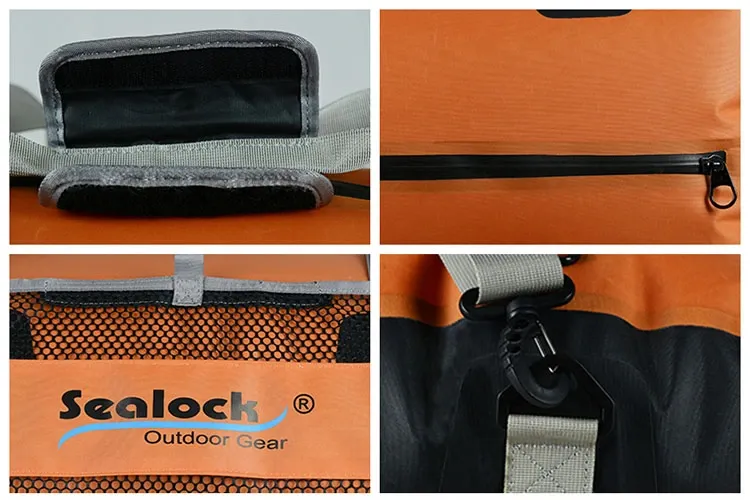
Coil, Slider, Tape, Stops
A zipper is an assembly rather than a single component, and each part can be specified independently. Most soft-case zipper failures trace to one of them being under-specified for the load it actually carries.
Why coil rather than moulded teeth
A coil is a continuous monofilament spiral stitched to the tape. It follows the curve of a tapered case profile without binding, sits lower so it snags the lining less, and recovers after a partial separation under load where moulded teeth stay sprung apart.
The slider is the part that wears
A slider too light for the tape gauge loosens over time and begins separating the teeth behind it — the failure users describe as the zipper not closing properly when the teeth themselves are undamaged. Matching slider weight to tape gauge is the fix, and it is confirmed at sampling.
Terminations carry the highest stress
The top stop takes an impact every time the slider is run to the end; the bottom stop takes the force when the case is pulled open quickly. Both are bar-tack reinforced through the case seam so load transfers into the fabric structure rather than the zipper tape alone.
Six Ways a Zipper Fails, and What Prevents Each
Failure
Root Cause
Design Response
Slider separates teeth behind it
Slider worn or under-gauged for the tape
Heavy-duty slider matched to tape gauge
Slider jumps the coil
Track skewed under load
Zipper set into a reinforced, bound seam
Tape tears at the end
Stress concentrated at the termination
Bar-tack reinforcement into the case seam
Zipper binds or drags
Grit in the coil, or too tight a curve
Coil construction; low profile; cleanable track
Pull breaks off
Small pull forced with gloves
Enlarged pull specified for gloved operation
Lining caught in the slider
Lining unsupported near the track
Bound edge keeps the lining clear of the coil
Most of these are specification decisions rather than manufacturing defects, which is why zipper gauge, slider weight, and termination method are confirmed at the sampling stage on OEM projects.
Upgraded weight for rental and high-cycle programmes
Slider weight
Matched to the tape gauge; specified together
Pull size and style
Enlarged for cold-weather and gloved operation
Zipper tape colour
Contrast or brand-matched
Termination reinforcement
Bar-tack depth specified for fleet use
Service parts
Sliders and pulls supplied for dealer programmes
Product length
Sets the zipper run length
Branding
Screen print, heat transfer, or embroidery
Assembly Sequence
1. Incoming inspection of fabric, foam, lining, webbing, and zipper components
2. Precision cutting of shell, foam, and lining
3. Layer assembly with the zipper seam area built as a reinforced bound seam
4. Full-length zipper installation into the supported seam
5. Bar-tack reinforcement at both terminations through the case structure
6. Accessory pocket, strap, and handle attachment
7. Edge binding to keep the lining clear of the coil
8. Full-run zipper alignment and function check
9. Final inspection and export packing
Inspection Points
Point
Method
Frequency
Zipper component inspection
Smoothness and gauge verification
Every batch
Track alignment
Full-run visual inspection
100%
Termination bar-tack
Visual verification
100%
Lining clearance at the coil
Interior inspection
100%
Full-length operation
Open and close test
100%
Handle and strap pull
Load test
Sampling
Cycle Testing
Test
Method
Outcome
Extended cycling
Repeated full-length operation beyond expected seasonal use
Slider movement, coil alignment, and stops retained
Loaded closure
Case lifted and carried closed and fully loaded
Track held alignment; terminations unstressed
Grit contamination
Dust and fine grit introduced to the coil, then cleaned
Track recovered smooth operation
Gloved operation
Operated wearing heavy gloves
Pull gripped and run without forcing
Lining interference
Repeated operation with the lining adjacent
No lining caught by the slider
Water-resistance
Surface spray on the outer fabric
Shed surface water; interior dry
A standard coil zipper closes the case against dust and casual weather. It is not a sealed zipper and the case is not immersion rated.
Best Suited To
High-frequency range use where a rifle is cased dozens of times per session; rental and club fleets that accumulate cycles far faster than private owners; cold-weather hunting where an enlarged pull prevents the forcing that damages zippers; dusty and sandy environments where coil construction tolerates contamination; and everyday transport where full-length access lowers the risk of knocking an optic during loading.
Project Notes
United States — indoor range rental programme
Cases were being replaced roughly twice a year, and in almost every instance the zipper had failed while fabric and foam were still serviceable — rental units cycle dozens of times a day rather than a few times a week. We moved to a heavier gauge with a matched slider and bar-tacked both terminations, leaving the rest of the specification unchanged so the cost increase stayed confined to the closure. 450 pcs, 40 days, replacement cycle extended past the first full year.
Middle East — desert hunting outfitter
Moulded-tooth zippers on previous cases bound within a season in fine sand, and clients forced them until sliders broke. We specified a low-profile coil with a bound seam keeping the lining clear, then verified that the track recovered smooth operation after deliberate grit contamination and cleaning. 550 pcs, 42 days, no slider failures reported in the first season.
Scandinavia — cold-climate distributor
Warranty claims clustered around broken pulls and torn tape. The cause was not the zipper but the pull: customers could not grip it with winter gloves and were forcing it. We fitted an enlarged pull and reinforced both terminations. 800 pcs, 44 days, pull and tape claims fell to near zero over the following winter.
What Buyers Told Us
“Our rental cases used to die at the zipper while everything else was fine. Upgrading just that one component doubled the service life.”
— Operations Manager, Indoor Range
“We deliberately buried one in sand, cleaned it, and it still ran. That test convinced our purchasing team more than any spec sheet.”
— Equipment Buyer, Desert Hunting Outfitter
“You explained why the tape was tearing at the ends rather than just replacing the units. That diagnosis changed what we specified.”
— Quality Lead, Firearms Accessories Importer
What Buyers Ask
1. Why does the zipper decide service life?
It is the most-used moving part — operated every time the firearm goes in or out, carrying load when the case is lifted closed, and meeting grit and moisture on every trip. When a soft case fails, the zipper has usually failed first while the fabric and foam are still sound.
2. Why coil rather than moulded teeth?
A coil follows the curve of a tapered case without binding, sits lower so it snags the lining less, and recovers after a partial separation rather than staying sprung open. It also tolerates grit better in dusty and sandy conditions.
3. What actually causes a zipper to stop closing?
Usually a worn or under-gauged slider separating the teeth behind it, not damage to the teeth. Matching slider weight to tape gauge is the fix, which is why both are confirmed at sampling.
4. How are the terminations reinforced?
Both ends are bar-tack reinforced through the case seam so stress transfers into the fabric structure rather than the zipper tape alone. The ends carry the highest concentrated stress.
5. Can the zipper be repaired or replaced?
A damaged slider or pull can generally be addressed at dealer level, which is why we supply service parts on fleet and rental programmes. Full tape replacement is a workshop repair, and we recommend fleet buyers stock a small quantity of sliders and pulls.
6. CanZippered Rifle Case be operated with heavy gloves?
With the enlarged pull option, yes. Forcing is the most common precursor to zipper damage, and it happens most in cold weather when a small pull cannot be gripped properly.
7. What if grit gets into the zipper?
Coil construction and a cleanable low-profile track tolerate contamination better than moulded teeth. In testing the track recovered after deliberate grit contamination and cleaning. Brush or rinse the track after dusty outings.
8. Can the lining get caught in the slider?
The bound edge keeps the lining clear of the coil, which is the standard cause of lining being caught. This is a construction detail checked during in-process inspection rather than an option.
9. Should we specify a heavier zipper for a rental fleet?
We recommend it. Rental fleets accumulate cycles far faster than private owners, and upgrading gauge and slider while leaving the rest unchanged confines the cost increase to the component that determines service life.
10. Can the tape and pull be colour-matched to our branding?
Yes. Tape colour, slider and pull style, and pull size are all customizable, and several customers use a contrasting pull as a brand cue as well as a functional feature.
11. Is this a sealed or waterproof zipper?
No. It is a standard coil closure that keeps out dust and casual weather. The case is water-resistant rather than waterproof, and is not immersion rated.
12. What are the commercial terms?
MOQ 300 pcs, samples in 7–10 days, production in 30–45 days, quoted EXW, FOB, or CIF, with development covering zipper gauge, slider and pull, tape colour, termination reinforcement, and packaging.
We use cookies to offer you a better browsing experience, analyze site traffic and personalize content. By using this site, you agree to our use of cookies. Privacy Policy