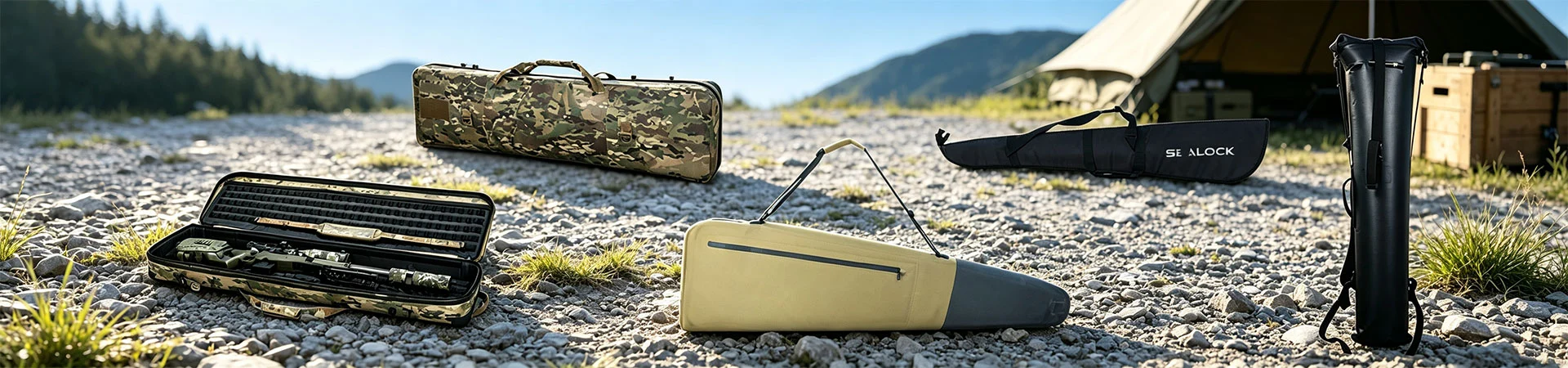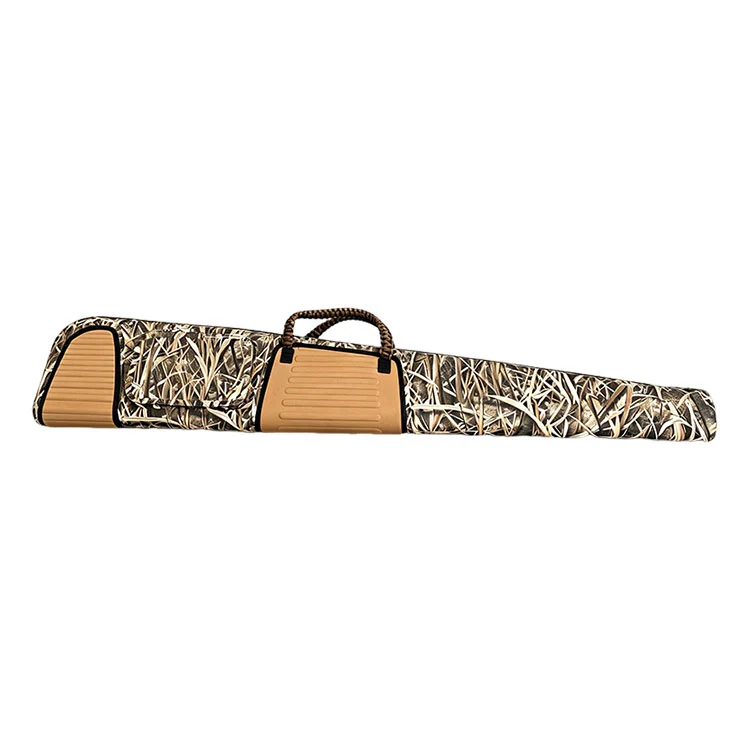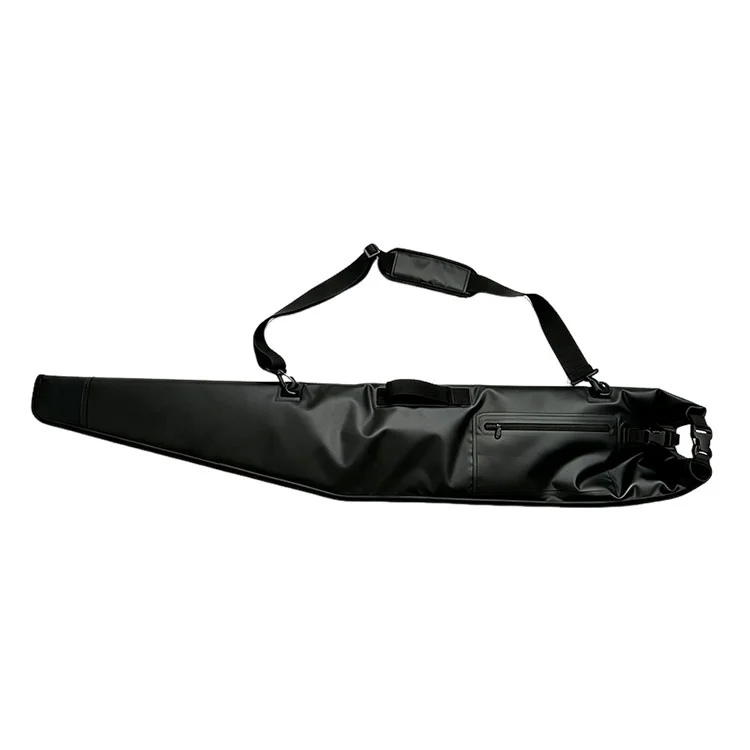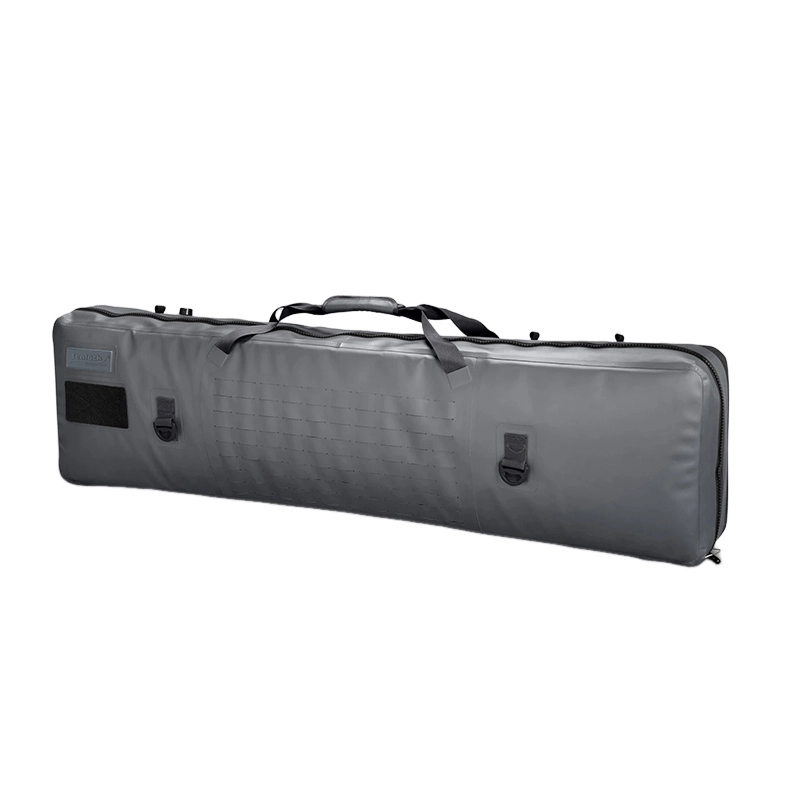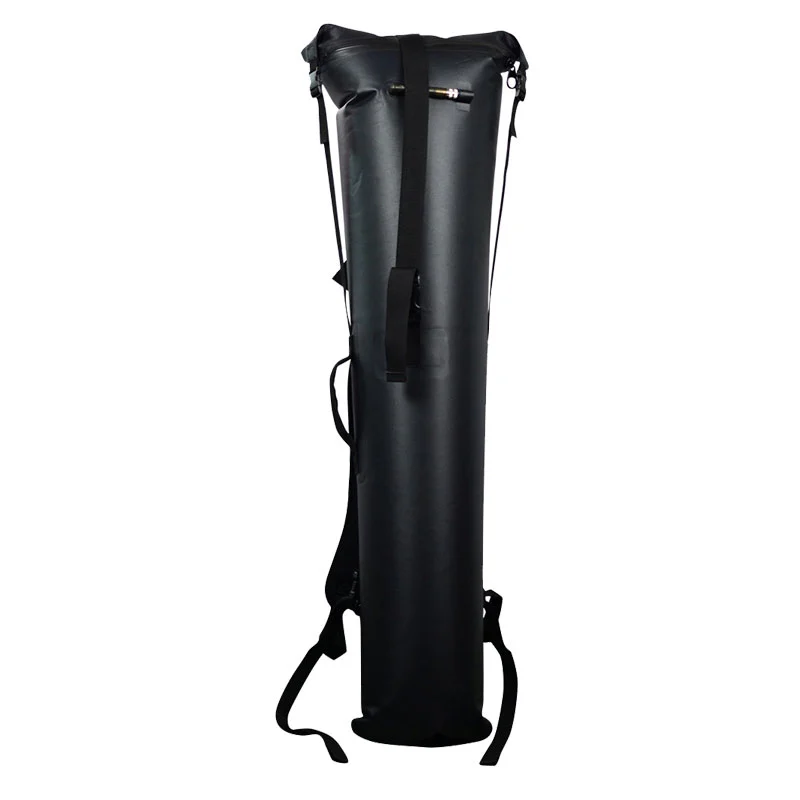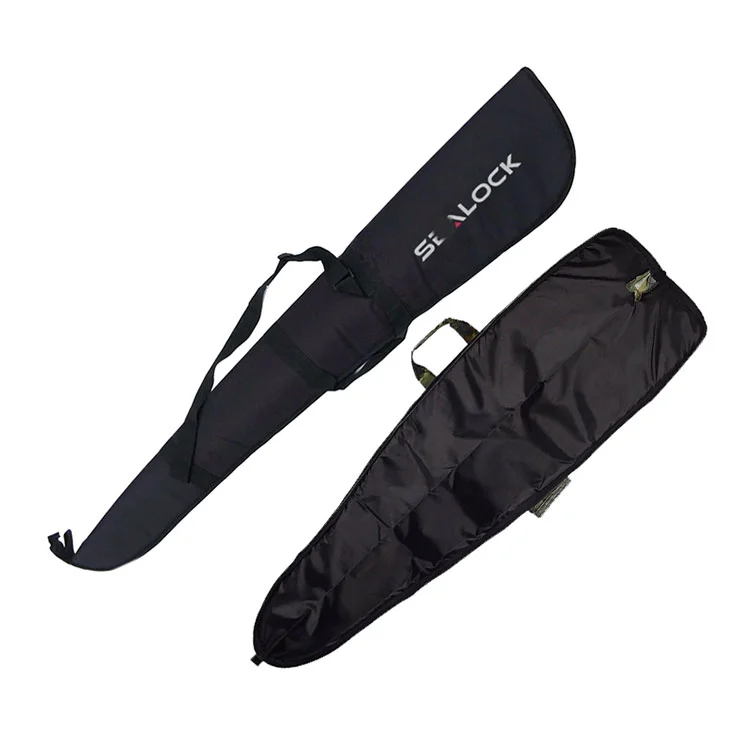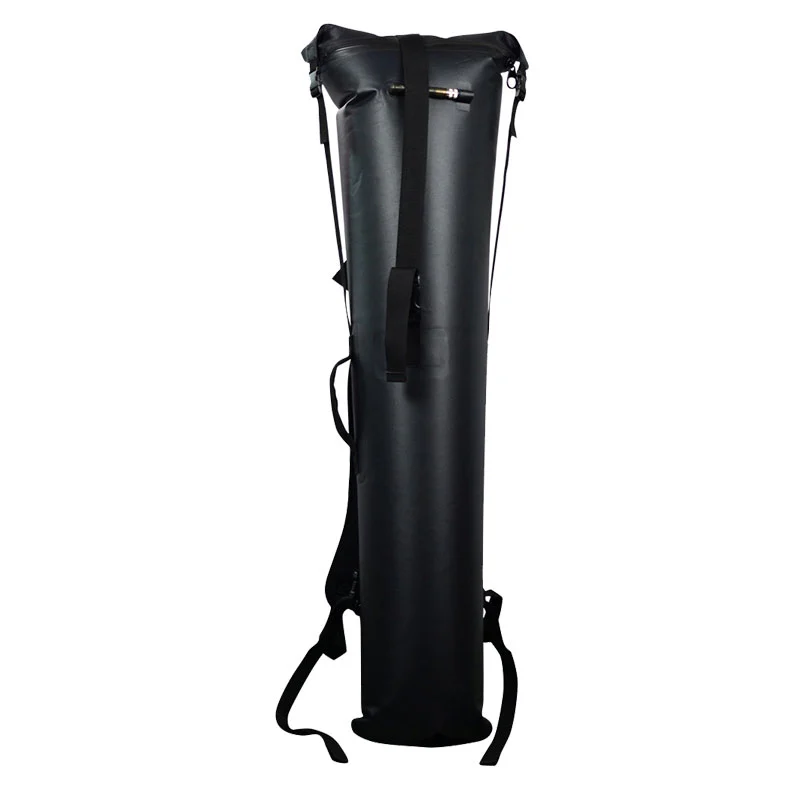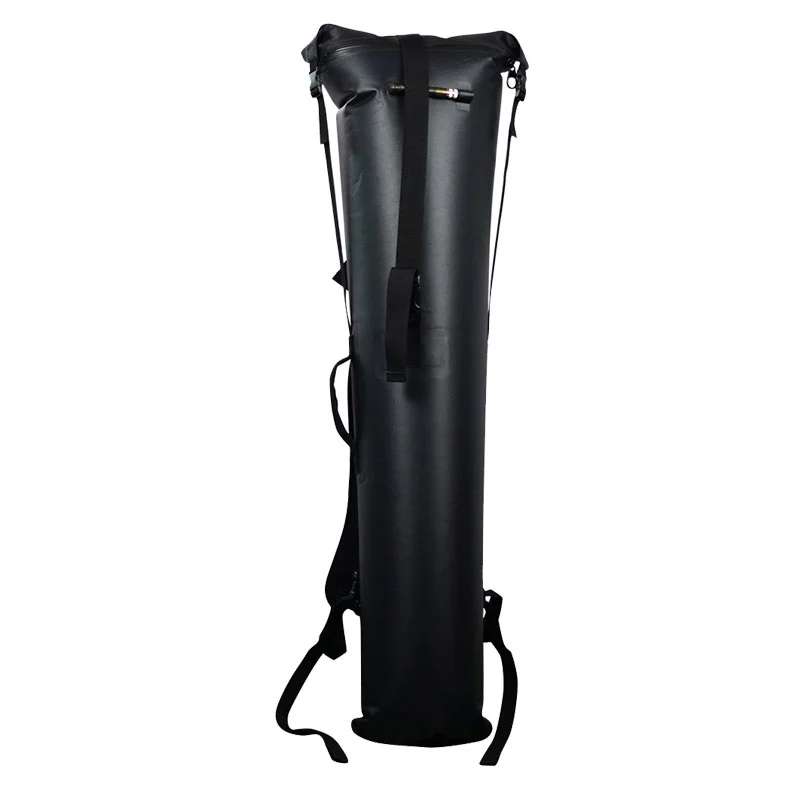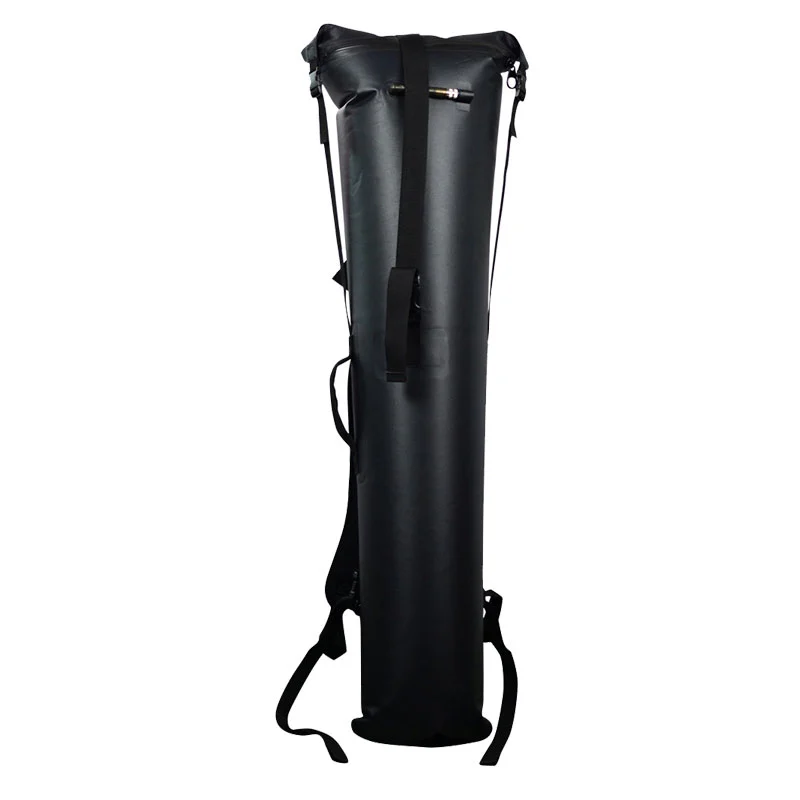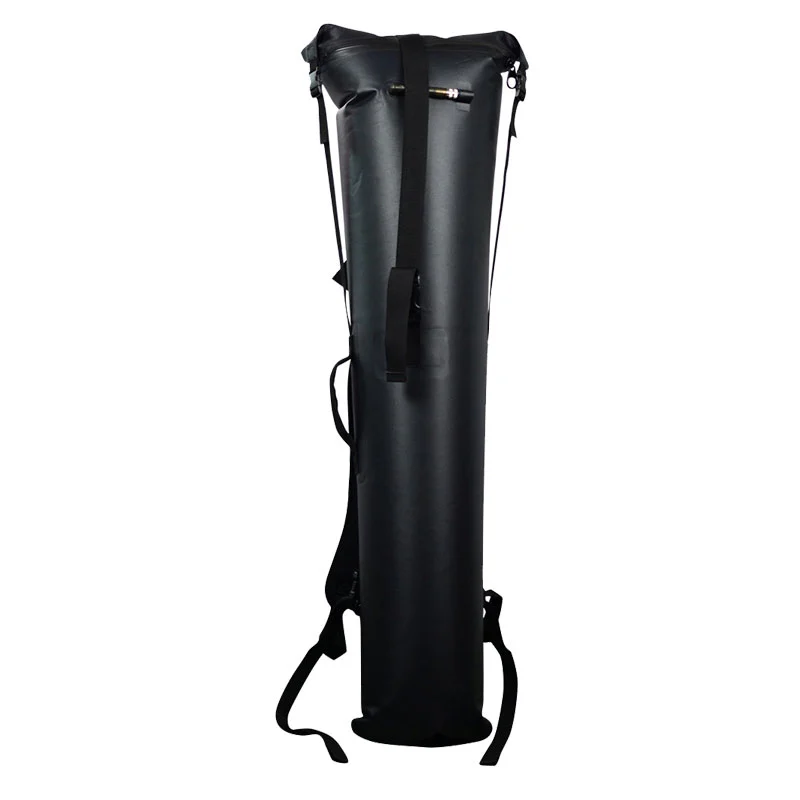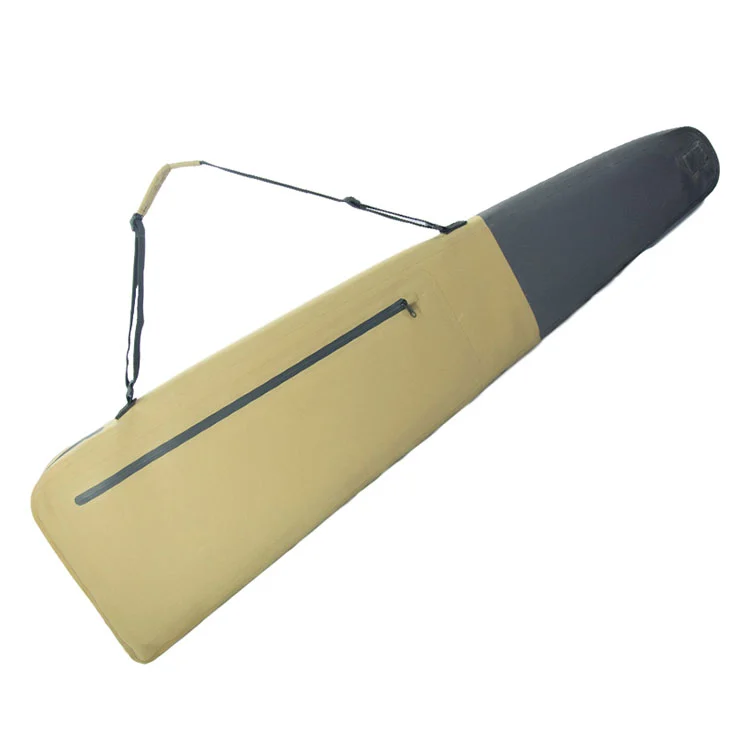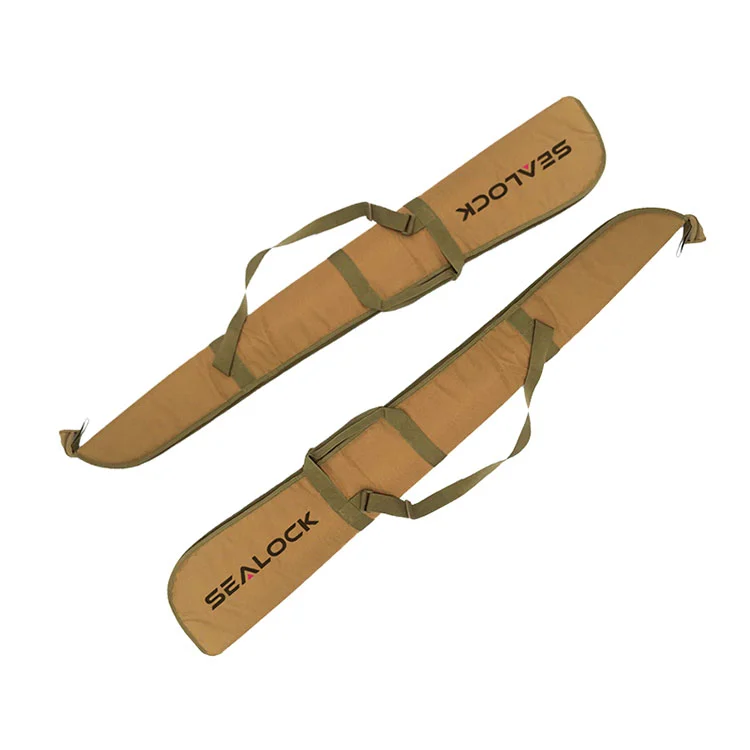
Sealock offers you professional high-quality Soft-Sided Gun Case. The SL-E899 model is mainly designed for daily gun storage and transportation. It weighs approximately 0.85kg, significantly lighter than the 4-5kg hard gun bags of the same specification. The outer layer is made of 600D Oxford fabric combined with 10-15mm cushioning foam. The minimum order quantity is 300 pieces, and the sample production cycle is 7-10 days. Customized versions, colors and logos are supported.
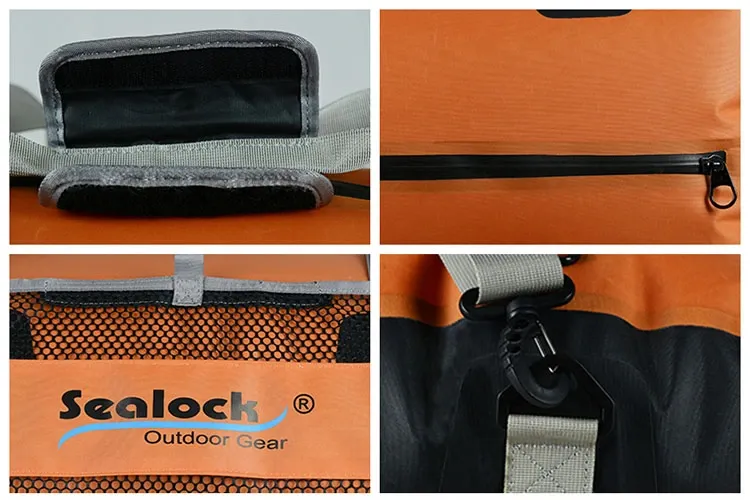
The Sealock SL-E899 Soft-Sided Gun Case is specially designed to protect the gun from scratches, bumps and dust when used in frequent scenarios such as target practice, hiking carry and cabinet storage. It is equipped with a full-length zipper, a front auxiliary pocket and a detachable shoulder strap. You can choose either rifle straight-cut or shotgun conical-cut models. The product has undergone multiple tests including weight-bearing, wear resistance and splashing resistance.
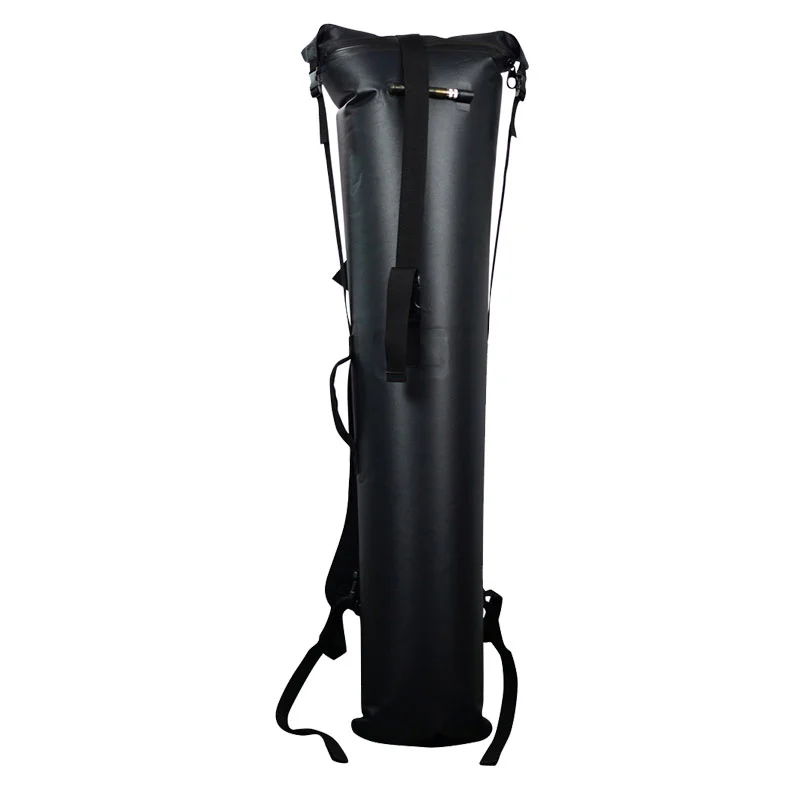
SL-E899 soft-sided gun case
Two Products, Two Failure Risks
What a hard case is engineered against
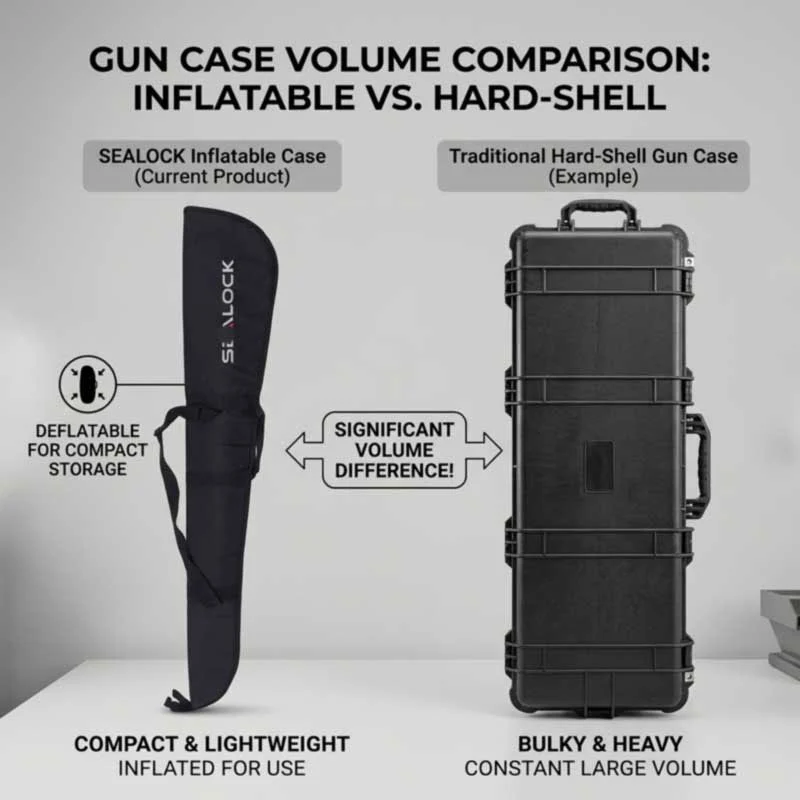
Crushing, and handling by people who do not know what is inside. Its rigid shell is what makes airline hold transport, freight shipping, and stacked storage viable, and most airlines require a lockable rigid case for checked firearms. It weighs 4–5 kg at this length and opens through latches.
What a soft case is engineered against
Scratches, knocks, dust, and abrasion during routine handling — the risks that occur weekly rather than annually. At approximately 0.85 kg it is a fifth of the weight, opens through a full-length zip in one motion, and stores flat in a cabinet or behind a seat.
The Decision Table
If the Priority Is
Choose
Because
Airline or freight transport
Hard case
Crush resistance and a lockable rigid shell
Carrying on foot
Soft-sided
approx. 0.85 kg against 4–5 kg
Frequent access at a range
Soft-sided
Full-length zip; no latches to work
Stacked or third-party handling
Hard case
Rigid shell resists compression
Storage in limited space
Soft-sided
Stores flat; a fraction of the footprint
Everyday scratch and knock protection
Soft-sided
Foam and lining cover the common risks
Long-term secure storage
Hard case
Rigid, securable construction
Unit cost across a range
Soft-sided
Lower at comparable finish quality
For most owners the hard case is used a few times a year and the soft case constantly. That usage ratio is the argument for stocking both, and for not positioning the soft case as the budget option.
Why Positioning Changes the Sale
A retailer who presents a soft case purely as the cheaper alternative tends to under-sell it. The customer buying a hard case for a trip abroad still needs something for the other fifty weeks of the year, and that is a second sale rather than a lost one.
Positioned correctly the soft case is the everyday product and the hard case is the specialist one. Brands running both tiers report the soft line turning over considerably faster, because it addresses a need the customer meets every time the firearm is handled.
What Makes It Work as the Everyday Case
Attribute
Figure or Detail
Consequence
Weight
approx. 0.85 kg
Carried rather than left in the vehicle
Structure
Flexible, three-layer
Conforms to available space instead of demanding a footprint
Opening
Full-length coil zipper
One motion in and out at a range bench
Padding
Foam, 10–15 mm
Covers knock and scratch risk without hard-case weight
Profile
Tapered cut
Less volume than a rectangular bag of the same length
To an existing hard case range, so the two read as a family
Camouflage pattern
Customer pattern matching
Branding
Screen print, heat transfer, or embroidery
Lining
Standard polyester or soft fleece upgrade
Packaging
Colour box, printed carton, hang tag, barcode
Production Flow
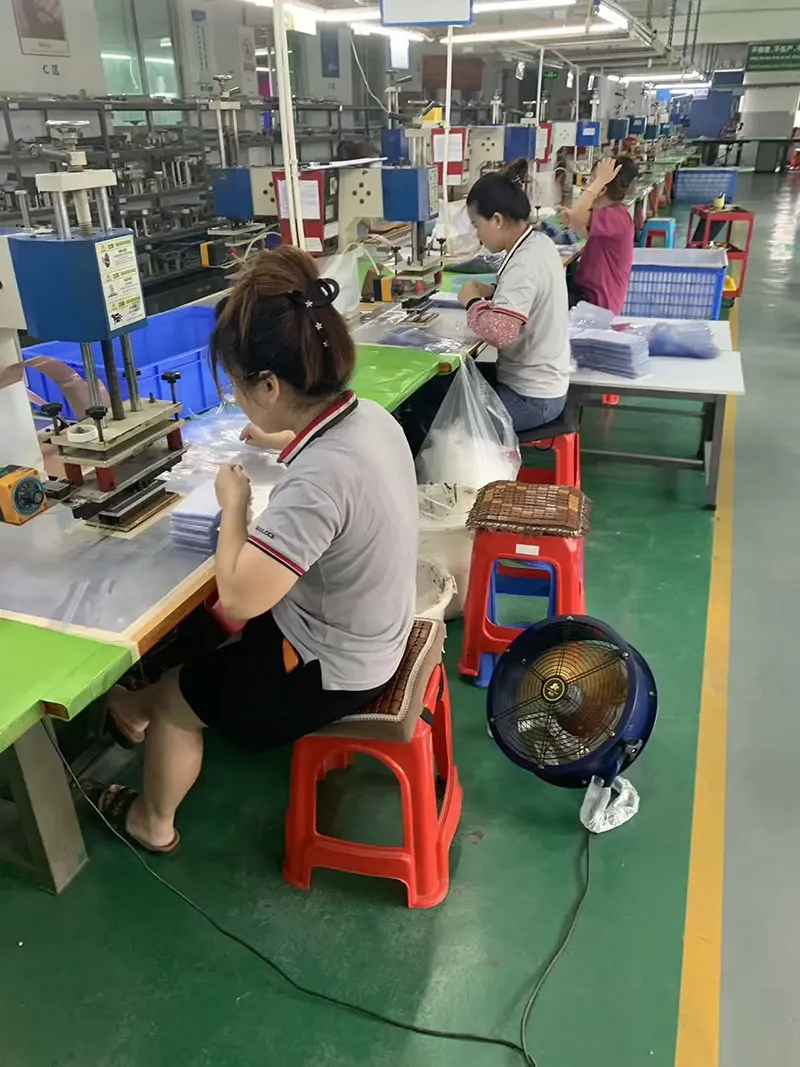
1. Incoming inspection of fabric, foam, lining, webbing, and zipper
2. Precision cutting of shell, foam, and lining
3. Layer assembly between outer and inner
4. Full-length zipper installation
5. Accessory pocket, strap, and handle attachment with bar-tack reinforcement
6. Edge binding and seam reinforcement
7. Function and water-resistance inspection
8. Final inspection and export packing
Quality Gates
Gate
Standard
Incoming material inspection
Every batch
Foam thickness and placement
100%
Stitch alignment and density
In-process
Zipper function
100%
Handle and strap pull test
Sampling
Dimensional verification
Sampling
Packaging inspection
100%
Trials
Trial
Method
Outcome
Carry comfort
Loaded case carried over mixed terrain
Balanced; strap held adjustment
Vehicle transport
Pickup and SUV cargo areas over uneven roads
Internal stability held; foam recovered
Storage compression
Stored under the weight of other equipment
Recovered shape; no permanent set
Abrasion
Wooden platforms, cargo floors, benches, bark
Structural integrity retained; cosmetic wear only
Zipper cycle
Repeated full-length operation
Smooth movement; full closure
Water-resistance
Surface spray and rain-carry
Shed surface water; interior dry
Storage compression is included because soft cases are routinely stacked under gear in vehicles and cabinets. The construction is stitched and not immersion rated.
Programme Fit
Everyday field and range transport; carrying on foot where a hard case becomes an awkward load; range sessions with repeated casing and uncasing; cabinet and vehicle storage where a rigid case will not fit; and as the companion product to an existing hard-case range rather than its replacement.
Soft Against Hard, Side by Side
Feature
Soft-Sided
Hard Case
Weight
approx. 0.85 kg
4–5 kg
Crush resistance
Cushioning only
Rigid shell
Airline checked transport
Not suitable
Standard requirement
Carrying on foot
Comfortable with strap
Awkward over distance
Access speed
Full-length zip
Latches and lid
Storage footprint
Flat and flexible
Fixed and bulky
Typical use frequency
Weekly or more
Occasional
Unit cost
Lower
Higher
The soft case handles frequency; the hard case handles severity.
Case Files
United Kingdom — firearms retail chain
Hard cases sold well but the chain had no soft option, and staff were losing the follow-on sale when customers asked what to use for weekly range trips. We matched the exterior colourway and logo treatment to the existing hard case range so it read as a companion product rather than a cheaper substitute. 1,200 pcs, 43 days, sold as an attachment to hard-case sales.
North America — e-commerce seller
Hard cases were expensive to ship and prone to carton damage claims. We optimised folded packing dimensions and specified a colour box sized to the folded case, reducing dimensional weight while keeping a retail-grade unboxing presentation. 2,000 pcs, 41 days, lower per-unit shipping than the hard case line.
Scotland — hunting estate
Guest and loan rifles moved daily between gun room, vehicles, and hill. Hard cases were slow to handle at volume and took excessive space in estate vehicles. We supplied an estate colourway with upgraded handle reinforcement for repeated daily lifting and numbered labels matching each case to its rifle. 300 pcs, 39 days, retained in service across two seasons.
What Buyers Told Us
“Matching it to our hard case range was the right call. Customers stopped reading it as the cheap option and started buying both.”
— Buying Director, Firearms Retail Chain
“Six of these fit in the shelf run where four hard cases used to sit. That changed what we could merchandise in the same space.”
— Store Manager, Sporting Goods Retailer
“You told us plainly it was not for airline hold transport. We would rather hear that upfront than deal with the complaint later.”
— Category Buyer, Outdoor Distributor
Buyer Questions
1. Should we stock a soft case or a hard case?
Both, if the range allows. A hard case resists crushing and meets airline requirements; a soft case covers the frequent scratch, knock, and dust protection of everyday handling. Most owners use a hard case a few times a year and a soft case constantly.
2. Can this be used for airline checked baggage?
No. Airlines generally require a lockable rigid case for checked firearms. This is built for everyday ground transport and storage.
3. Is a soft case just the budget option?
Positioning it that way tends to under-sell it. It is the everyday product, used far more often, and customers who own a hard case still need one. Several of our customers match the soft case finish to their hard case range so it reads as a companion product.
4. Does it protect against crushing?
It cushions impact through the 10–15 mm foam layer but does not resist crushing the way a rigid shell does. If cases will be stacked or handled by third parties in freight, specify a hard case for that use.
5. Is Soft-Sided Gun Case waterproof?
No. The 600D Oxford outer is water-resistant against rain and spray during normal carry. It is stitched with a standard coil zipper and is not designed for immersion.
6. Can it be configured for both rifles and shotguns?
Yes. It is produced in a straight rifle cut and a tapered shotgun cut, with length customizable within each. Many customers run both profiles from one programme.
7. What padding thickness should we specify?
The standard 10–15 mm range is the most common retail choice. Thinner suits entry-level volume and thicker suits premium positioning.
8. How much shelf space does it save?
It stores flat and flexibly rather than holding a fixed footprint. Customers commonly report fitting around half again as many units into the same shelf run, though the figure depends on fixture depth and facing.
9. Does the foam recover after storage under other gear?
Yes. Storage compression recovery is part of our testing, since soft cases are routinely stacked under equipment. The foam is specified to recover rather than take a permanent set.
10. Can the colourway be matched to our existing range?
Yes, and it is one of the more effective ways to position a soft case as part of a family rather than a substitute. We work from physical samples or your specification.
11. Does packing folded reduce shipping cost?
It improves carton efficiency against rigid cases, which matters most for sea freight volume and for online sellers whose costs are driven by dimensional weight. Carton and pallet configuration is calculated per project.
12. What are the commercial terms?
MOQ 300 pcs, samples in 7–10 days, production in 30–45 days, quoted EXW, FOB, or CIF, with development covering profile, length, padding, colourway matching, branding, and packaging.
We use cookies to offer you a better browsing experience, analyze site traffic and personalize content. By using this site, you agree to our use of cookies. Privacy Policy