Products
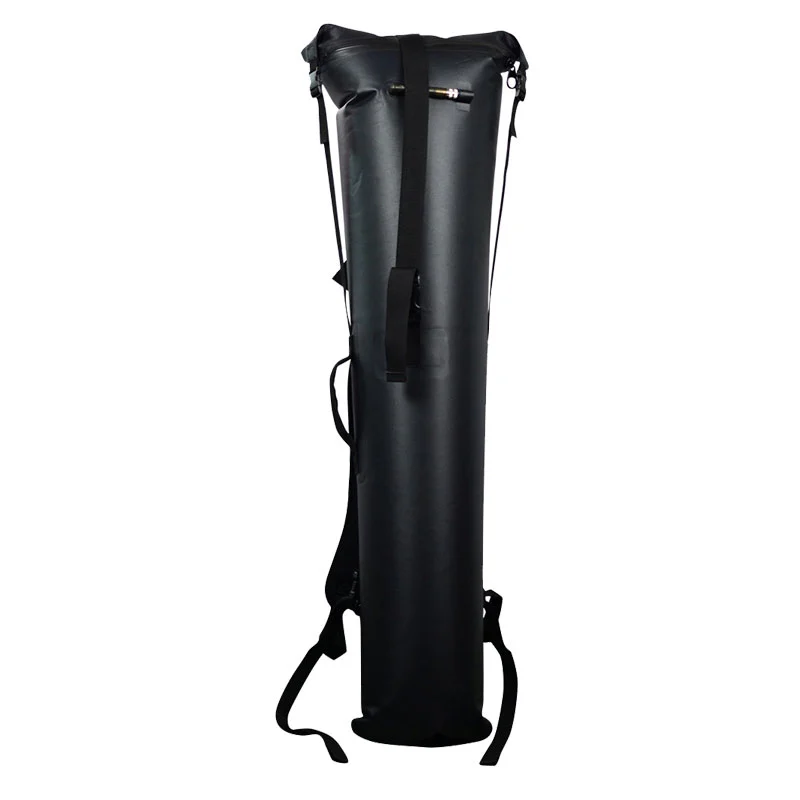
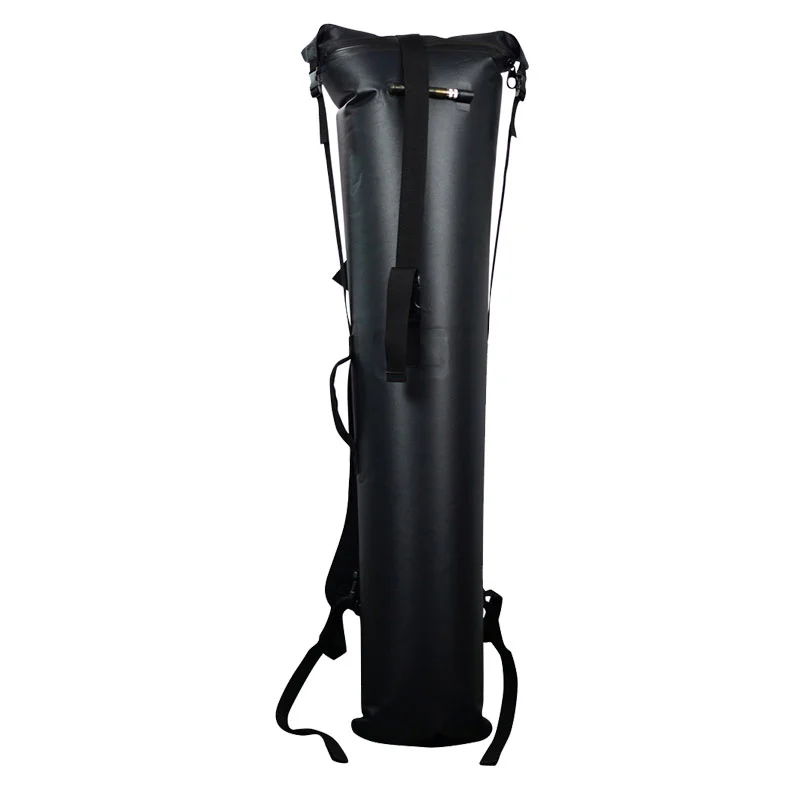
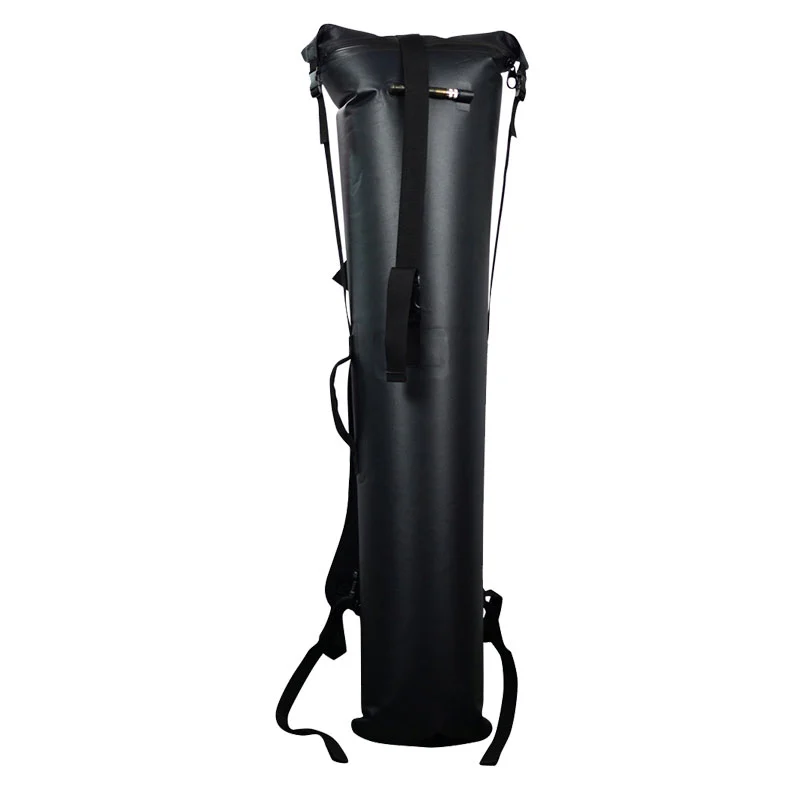
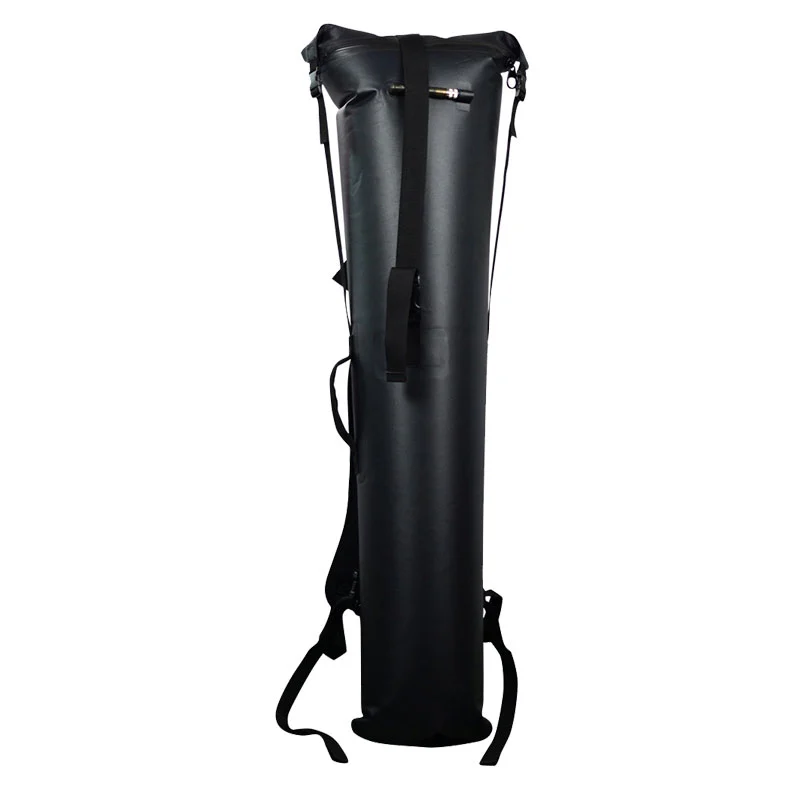
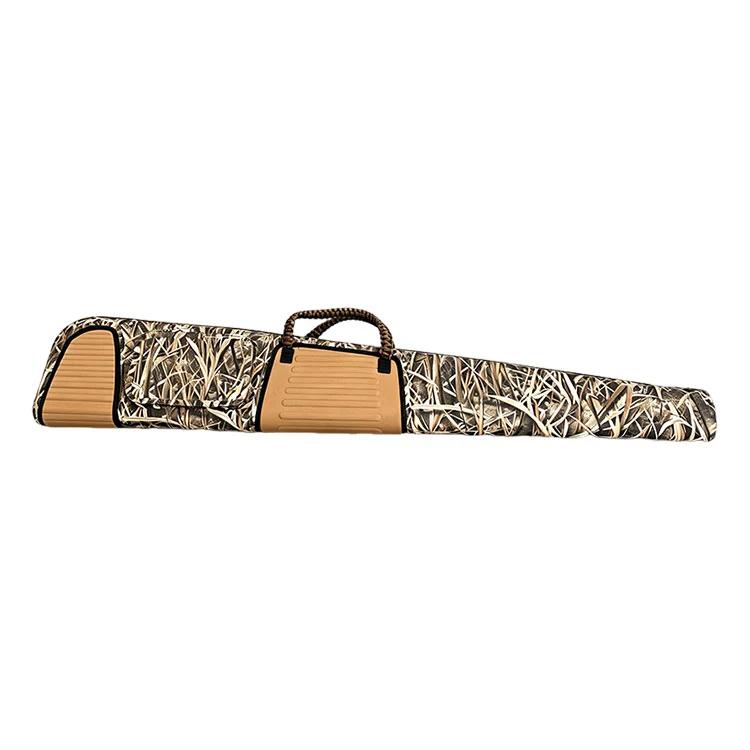
Hunting Shotgun Case
  • Hunting Shotgun CaseHunting Shotgun Case
  • Hunting Shotgun CaseHunting Shotgun Case
  • Hunting Shotgun CaseHunting Shotgun Case
  • Hunting Shotgun CaseHunting Shotgun Case
  • Hunting Shotgun CaseHunting Shotgun Case

Hunting Shotgun Case

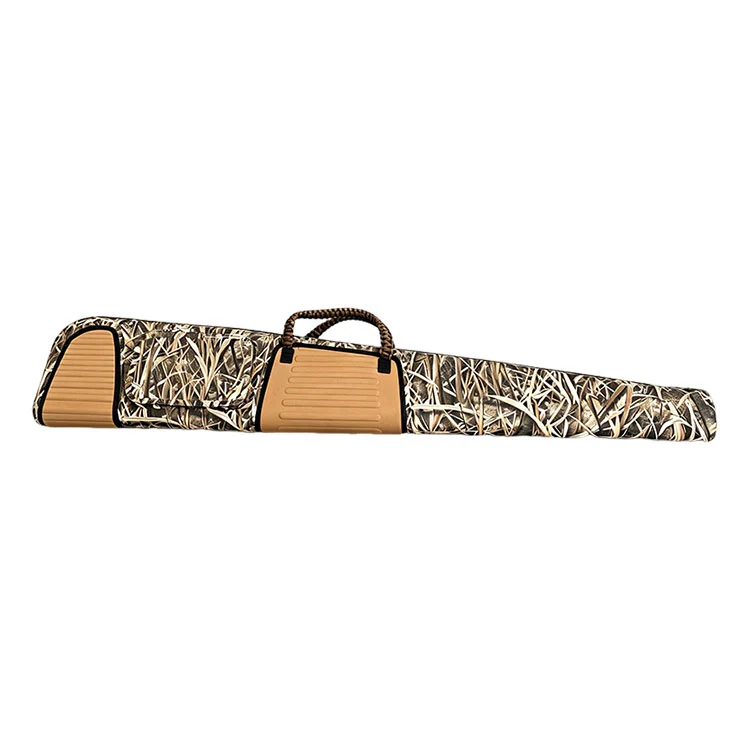
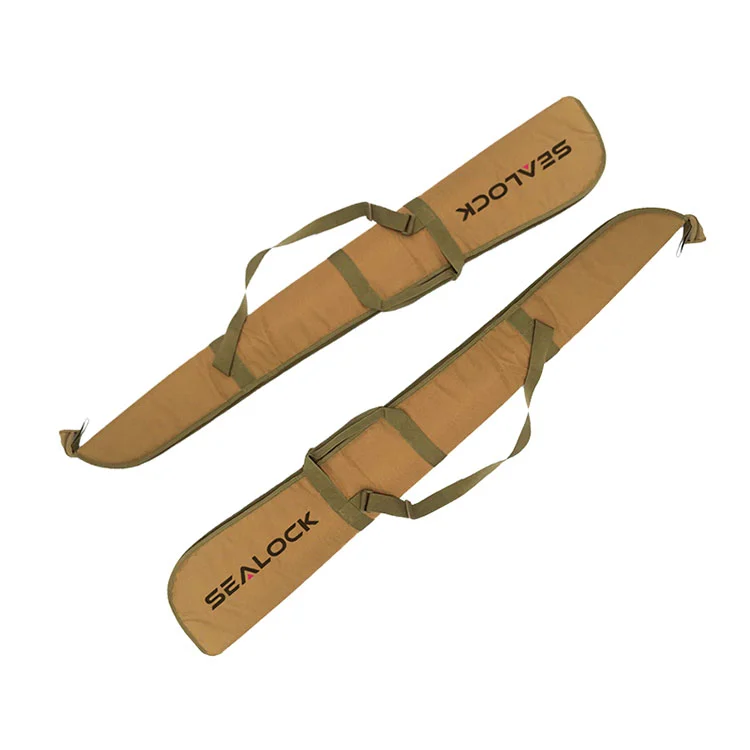
The SL-E899 hunting shotgun case is a soft padded gun case measuring 122 × 26 cm (48 × 10–11 in) at approximately 0.85 kg. Construction is 600D polyester Oxford with a water-resistant finish over 10–15 mm foam padding and a soft polyester lining, closed by a full-length coil zipper, with one zippered front pocket, an adjustable removable shoulder strap and a reinforced handle. The tapered cut follows the shotgun outline from buttstock to muzzle. Colourways: sand, army green, woodland camouflage, black. MOQ 300 pcs, samples in 7–10 days, production in 30–45 days.

The Hunting Shotgun Case takes one shotgun up to approximately 46 in overall. Internal length is specified against the gun as it is carried — sling, recoil pad and any magazine extension fitted — rather than against barrel length alone, because a receiver and stock add roughly 38 cm to a quoted barrel figure. Length, padding thickness, zip pull size and camouflage pattern are all OEM variables.

Barrel length is not the fit dimension. A 26 in barrel runs approximately 104 cm overall, a 28 in barrel 109 cm, a 30 in barrel 114 cm and a 32 in barrel 119 cm, against 122 cm of body length. Specify with approximately 4 cm of clearance, which places the practical ceiling near 46 in overall.

Hunting Shotgun CaseHunting Shotgun Case

Barrel Length Against Internal Length

Overall length is what matters, not barrel length, and buyers routinely quote the wrong one. Adding a receiver and stock to a barrel adds roughly 38 cm.

Barrel Approximate Overall Length Fit in a 122 cm Body
26 in approx. 104 cm (41 in) Comfortable margin
28 in approx. 109 cm (43 in) Comfortable margin
30 in approx. 114 cm (45 in) Fits with working clearance
32 in approx. 119 cm (47 in) Tight; confirm against the actual gun

The practical recommendation is to specify internal length against the longest gun in the intended range with about 4 cm of clearance — roughly a 46 in overall ceiling in a 122 cm body. Longer ranges are quoted with an extended body rather than sold on a tight fit.

What Gets Left On the Gun

Guns are almost never cased stripped. A sling, an extended recoil pad, a magazine extension, or a fitted choke wrench pouch each adds bulk that the catalogue dimension did not account for.

Slings. Left attached by most hunters. They add width at the swivel points rather than length, and a case cut tight across the receiver will not close over one.

Recoil pads. An aftermarket pad can add 2–3 cm of overall length on a gun already near the ceiling.

Magazine extensions. Add length at the muzzle end, which is exactly where a tapered cut has least room.

The rule we work to. Specify against the gun as the hunter carries it — dressed, not stripped. We test-fit samples against a customer-supplied reference gun rather than a drawing.

A Season of Handling

A Hunting Shotgun Case is not opened twice a year. On a thirty-day season with six load-and-unload cycles a day — vehicle, walk-in, stand, lunch, second drive, home — the zip runs roughly 180 times a season and around 540 times across three.

Component What That Cycle Count Does Specification Response
Zip The most-used moving part; sliders wear before teeth Heavy-duty coil; slider matched to tape gauge
Zip terminations Take the shock at each end of every run Bar-tacked through the case seam
Lining Wears where the gun contacts on every insertion Full-length opening removes the dragging motion
Strap anchors Loaded and unloaded with each carry Bar-tack reinforcement at both attachment points
Foam Compressed at the same points each time 10–15 mm specified to recover rather than take a set

Gloves, Cold, and Wet Hands

Most hunting handling happens with reduced dexterity. A case that is easy to work bare-handed in a showroom can be awkward at first light in November.

1. Specify an enlarged zip pull so it can be gripped through a glove without forcing

2. Keep the strap adjuster reachable while the case is being worn, not only when it is off

3. Choose a full-length opening so the gun lays in rather than needing alignment by feel

4. Avoid small hardware anywhere the user has to operate it in the dark

Forcing a small pull with cold hands is the most common precursor to zip damage on hunting cases, and it is a specification problem rather than a user error.

Dogs, Mud, and What Cleans Off

A working dog turns every retrieve into a wet, muddy scene, and the case is usually on the ground for it. The 600D Oxford outer wipes down with a damp cloth and dries without holding odour, and the water-resistant finish sheds the spray a shaking dog produces.

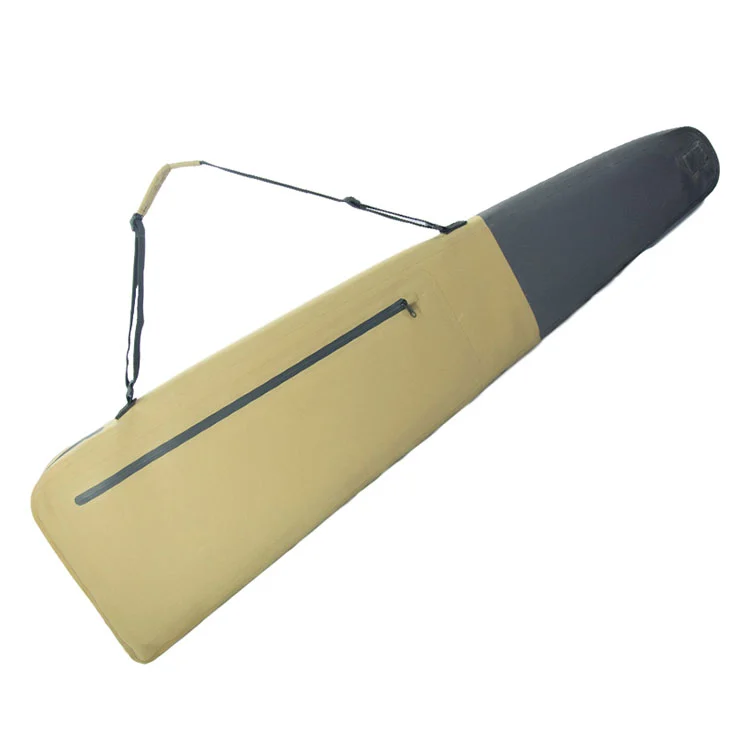
The limit, stated:the case is water-resistant, not waterproof. It sheds rain, spray, and dew during normal carry. Setting it in standing water in a flooded blind, or leaving it out through sustained soaking, exceeds what a stitched construction with a standard coil zip is built for. Hunters working flooded ground should be sold a welded waterproof case instead.

Specification

Item Specification
Model SL-E899
Size 122 × 26 cm (48 × 10–11 in)
Weight approx. 0.85 kg
Outer fabric 600D polyester Oxford, water-resistant finish
Padding Foam, 10–15 mm
Inner lining Soft polyester
Closure Full-length coil zipper
Accessory pocket 1 zippered front pocket
Profile Tapered rifle and shotgun cut
Carry Adjustable removable shoulder strap + reinforced handle
Construction Heavy-duty stitching, bound edges
Weather rating Water-resistant
Colourways Sand / Army Green / Camouflage / Black
MOQ 300 pcs
Sample lead time 7–10 days
Production lead time 30–45 days
OEM / ODM Supported

Hunting-Specific Options

Option Notes
Internal length Specified against the dressed reference gun
Internal width at the receiver Clearance for an attached sling
Muzzle-end clearance For magazine extensions on a tapered cut
Enlarged zip pull Gloved operation in cold conditions
Camouflage pattern Woodland, marsh, or customer pattern matching
Solid colourways Sand, army green, and black
Padding thickness Positions the case across price tiers
Branding Screen print, heat transfer, or embroidery

How It Is Made

5. Incoming inspection of Oxford fabric, foam, lining, webbing, and zip

6. Precision cutting to the tapered shotgun pattern at the specified length

7. Foam and lining assembly through the full body

8. Full-length zip installation into a reinforced bound seam

9. Bar-tack reinforcement at zip terminations and strap anchors

10. Accessory pocket, strap, and handle attachment

11. Edge binding and seam reinforcement

12. Test fit against the approved reference profile

13. Final inspection and export packing

Checks Before Shipment

Check Method Frequency
Incoming material Visual and dimensional Every batch
Internal length Measurement against approved pattern Sampling
Test fit Against reference gun profile where specified Sampling
Foam placement Visual through the body 100%
Zip function and terminations Full-length operation and bar-tack check 100%
Strap and handle Loaded pull test Sampling
Packaging Carton verification 100%

Season Trials

Trial Method Outcome
Dressed-gun fit Cased with a slinged 30 in gun and an extended pad Closed without forcing at the specified length
Cycle simulation Zip run to a full season's estimated cycle count Slider, coil, and terminations retained function
Gloved operation Zip and adjuster worked wearing heavy gloves Completed without forcing
Mud and wipe-down Coated in field mud, then wiped and dried Cleaned fully; no odour retained
Water-resistance Surface spray and rain-carry simulation Shed surface water; interior stayed dry
Foam recovery Repeated compression at contact points Recovered; no permanent set
Abrasion Contact with cargo floors, stubble, and bark Cosmetic wear only

Season Types It Suits

Driven and walked-up game days with repeated vehicle-to-peg transitions; upland bird hunting over walked ground; rough shooting where the case rides in a vehicle between drives; dog-worked days where the case sits on wet ground during retrieves; clay and practice sessions between hunting weekends; and cabinet storage across the closed season.

Recent Work

United Kingdom — game shooting supplier

Returns were clustering on 32-inch trap and wildfowling guns that would not close once slings and extended pads were fitted, despite the barrel length appearing to fit. We moved that range onto an extended body with 4 cm additional clearance and began test-fitting against a customer-supplied dressed reference gun. 600 pcs, 42 days, length-related returns resolved.

Nordic region — hunting distributor

Warranty claims were concentrated on broken zip pulls in cold-weather months. The cause was not the zip but the pull size — hunters could not grip it through winter gloves and were forcing it. We fitted an enlarged pull and reinforced both terminations. 750 pcs, 43 days, pull claims fell substantially the following season.

North America — dog-focused retail brand

The brand's customers hunt over retrieving dogs and wanted a case that would take mud and shaken-off water without holding odour across a season. We specified the standard water-resistant Oxford with a marsh camouflage and supplied care guidance on the hang tag, while directing their flooded-timber customers to a welded product instead. 500 pcs, 40 days.

What Buyers Told Us

“The barrel length fitted. The gun with its sling and pad on did not. Once you started test-fitting a dressed gun the problem went away.”

— Product Manager, Game Shooting Supplier

“A bigger zip pull sounds trivial until you look at where our warranty claims were coming from. It was almost all of them.”

— Purchasing Manager, Nordic Hunting Distributor

“You sent our flooded-timber customers to a different product rather than selling them this one. That is why we came back for the next order.”

— Brand Owner, Dog-Focused Retail Brand

Buyer Questions

1. How do I know what internal length to specify?

Measure overall length on the gun as the hunter carries it, not the barrel. A barrel plus receiver and stock adds roughly 38 cm, so a 30 in barrel is about 114 cm overall. Specify with around 4 cm of clearance, which puts the practical ceiling near 46 in overall in a 122 cm body.

2. Why do guns that should fit sometimes not close?

Because the catalogue dimension assumes a stripped gun. Slings add width at the receiver, aftermarket recoil pads add 2–3 cm of length, and magazine extensions add length at the muzzle where a tapered cut has least room. We test-fit against a dressed reference gun.

3. Will Hunting Shotgun Case take a 32-inch trap gun?

At around 119 cm overall it is tight in a 122 cm body, and we would quote an extended body rather than sell a marginal fit. Confirm against the actual gun during sampling.

4. How many times will the zip be used in a season?

On a thirty-day season with six cycles a day, roughly 180 times, and around 540 across three seasons. That is why zip gauge, slider weight, and bar-tacked terminations matter more on a hunting case than on a range case.

5. Can it be operated with winter gloves?

With the enlarged pull option, yes. Forcing a small pull with cold hands is the most common precursor to zip damage on hunting cases, and it is a specification problem rather than user error.

6. Does it cope with a wet, muddy dog?

Yes. The Oxford outer wipes down with a damp cloth and dries without holding odour, and the water-resistant finish sheds the spray a shaking dog produces.

7. Is it waterproof enough for flooded blinds?

No. It is water-resistant against rain and spray during normal carry. Setting it in standing water or leaving it through sustained soaking exceeds what a stitched construction with a standard coil zip is built for — flooded-ground hunters should use a welded waterproof case.

8. What camouflage patterns are available?

Woodland and marsh patterns as standard, with customer pattern matching available, alongside sand, army green, and black solid colourways.

9. Does the padding hold up across seasons?

The 10–15 mm foam is specified to recover rather than take a permanent set, and repeated compression at contact points is part of our testing.

10. Can we run different lengths within one order?

Yes. Buyers commonly specify two lengths from the same pattern — a standard body for field guns and an extended body for long trap and wildfowling guns.

11. What branding methods suit this fabric?

Screen printing is standard for 600D Oxford, with heat transfer for fine detail and embroidery for premium positioning.

12. What are the commercial terms?

MOQ 300 pcs, samples in 7–10 days, production in 30–45 days, quoted EXW, FOB, or CIF, with development covering length, receiver and muzzle clearance, zip hardware, camouflage, padding, and packaging.

Send Inquiry
Contact Info
Send your inquiry to Sealock, submit your requirements here. We provide prompt response support services for hunting equipment brands worldwide.
X
We use cookies to offer you a better browsing experience, analyze site traffic and personalize content. By using this site, you agree to our use of cookies. Privacy Policy
RejectAccept