Products
Waterfowl Duck Hunting Waterproof Gun Case
  • Waterfowl Duck Hunting Waterproof Gun CaseWaterfowl Duck Hunting Waterproof Gun Case

Waterfowl Duck Hunting Waterproof Gun Case

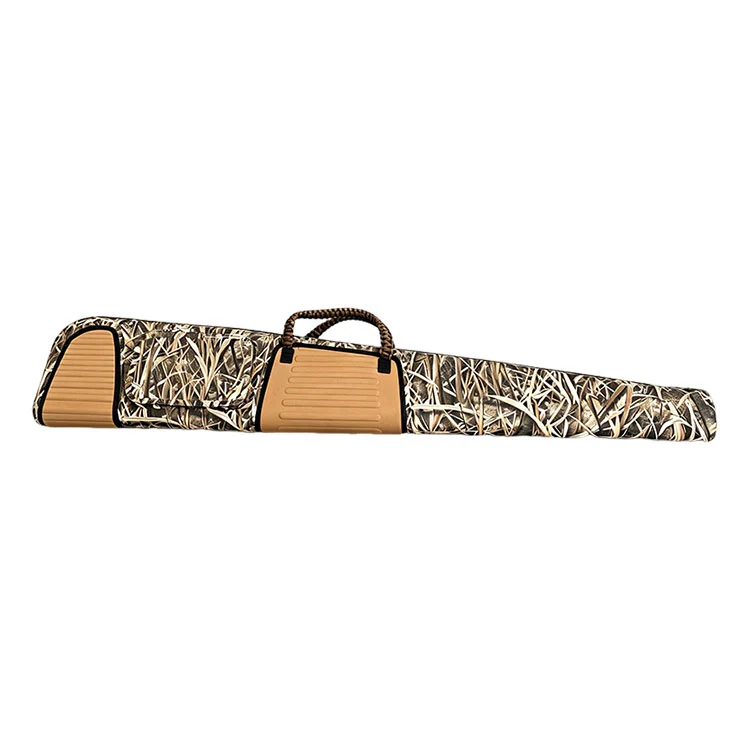
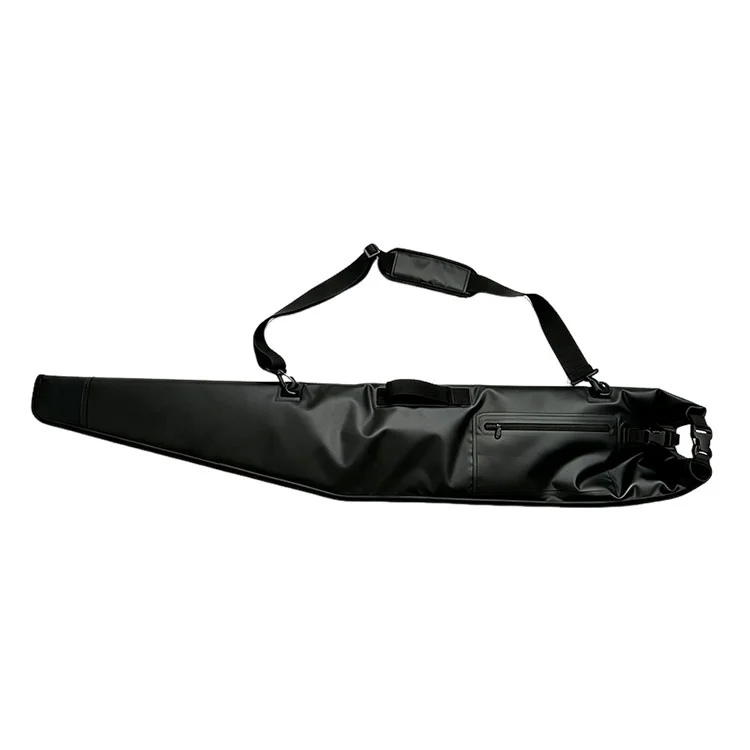
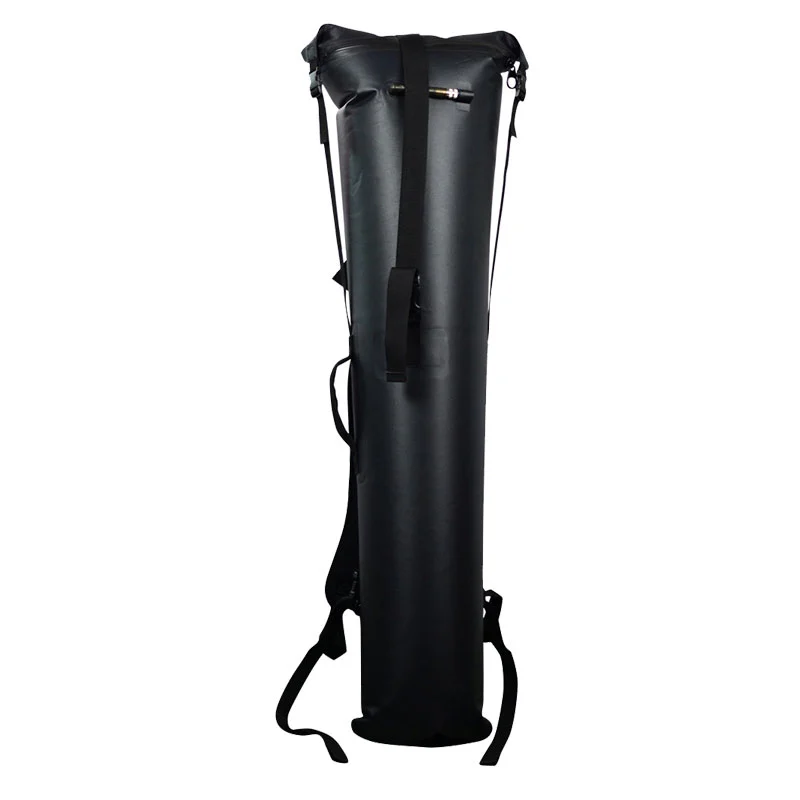
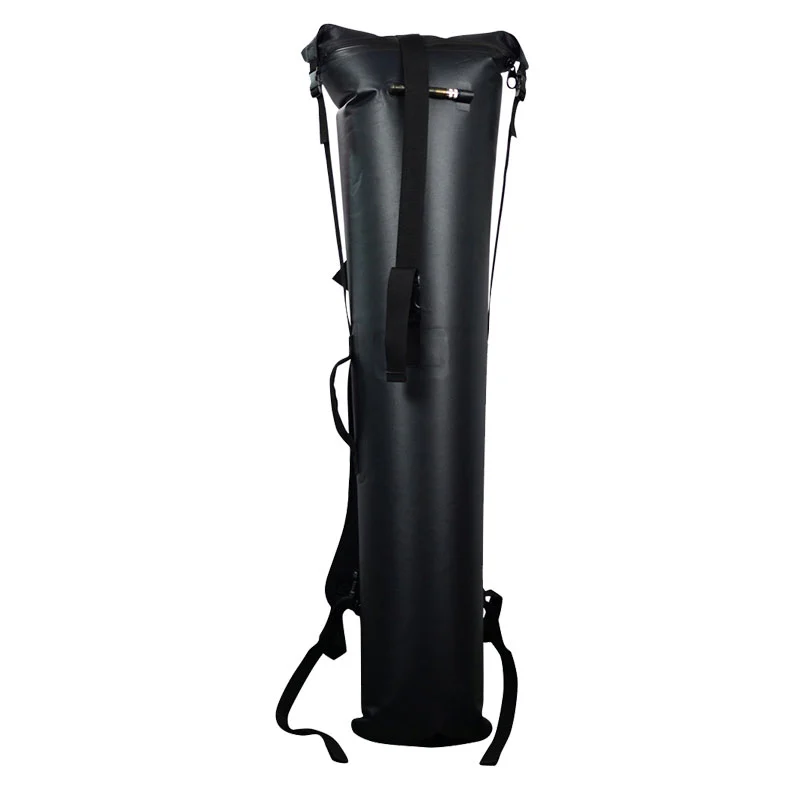
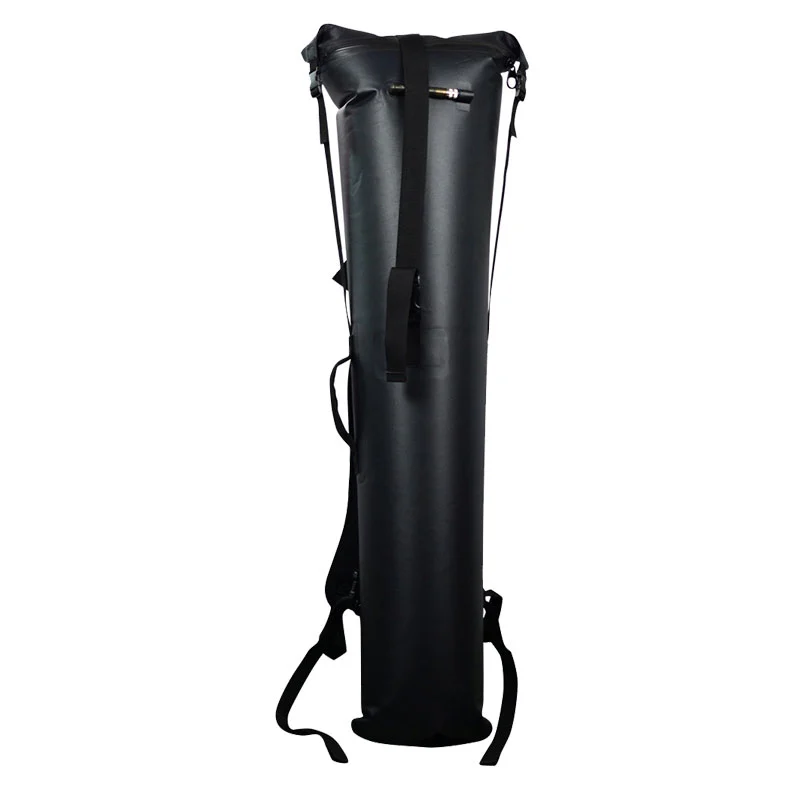
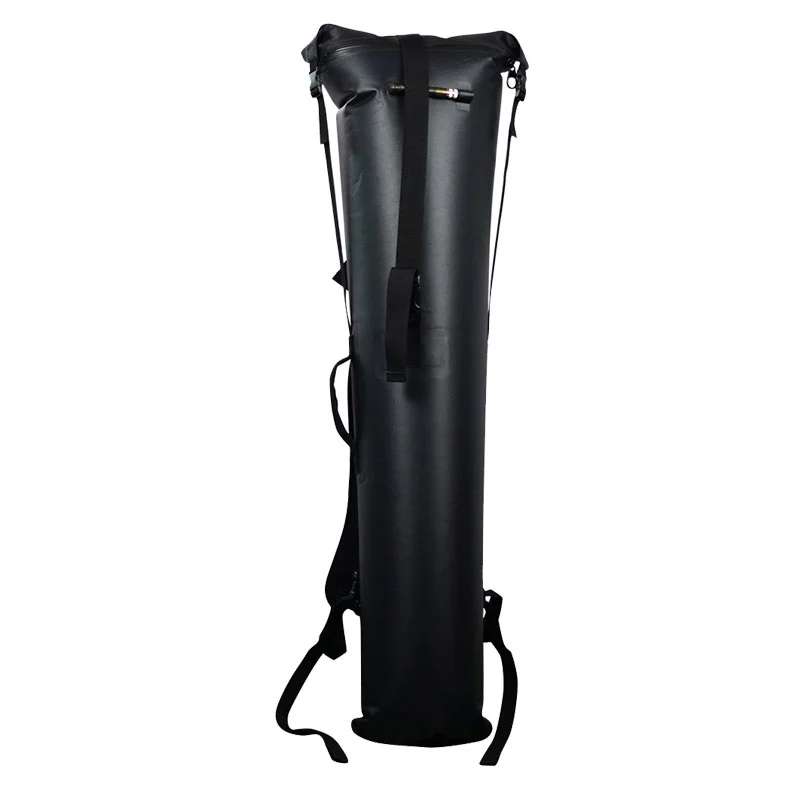
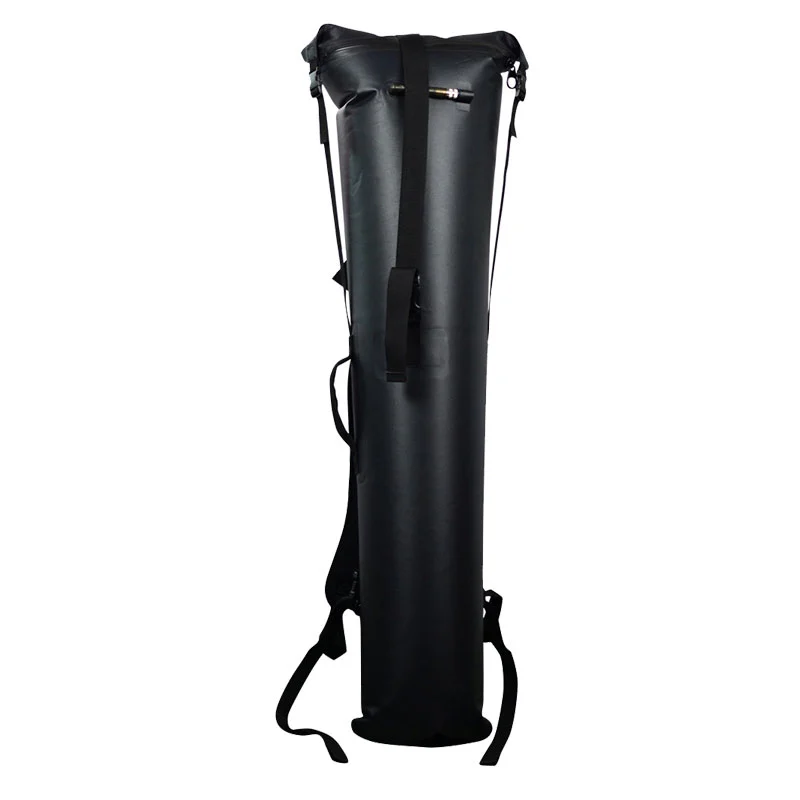
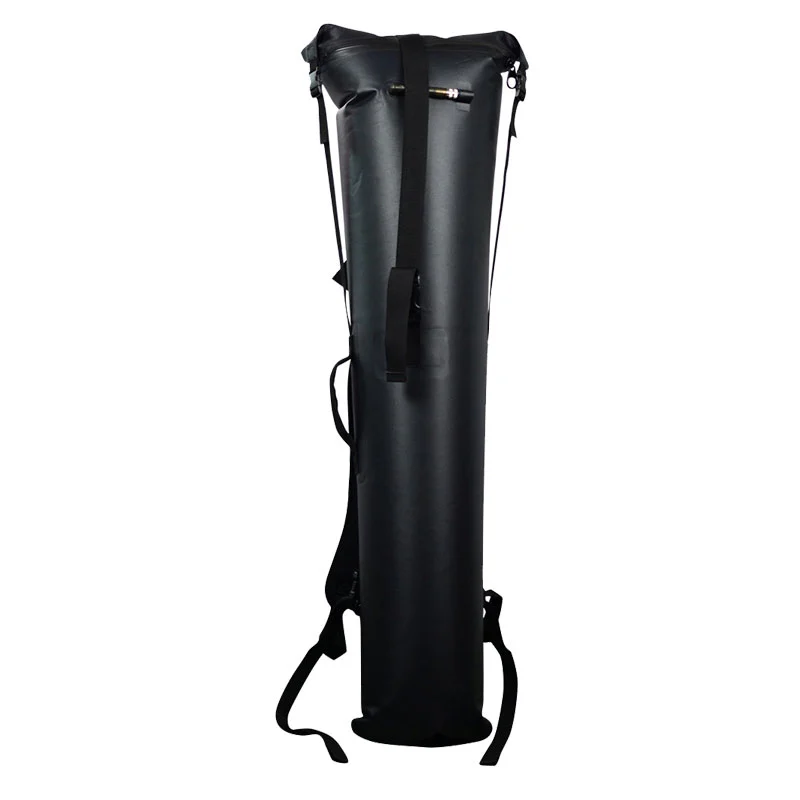
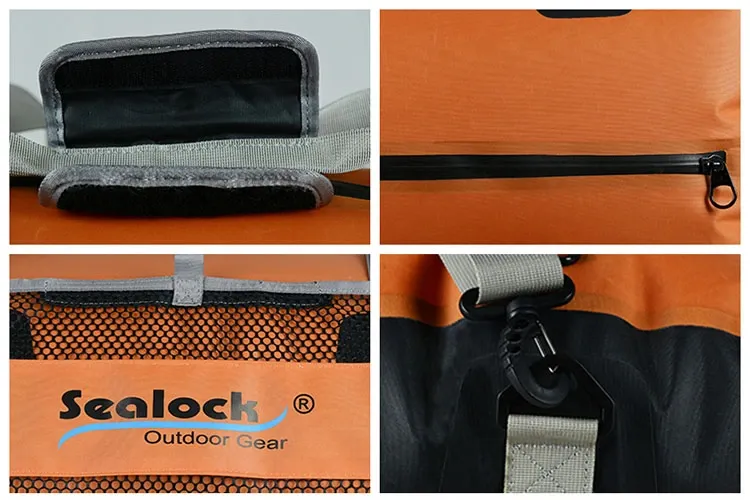
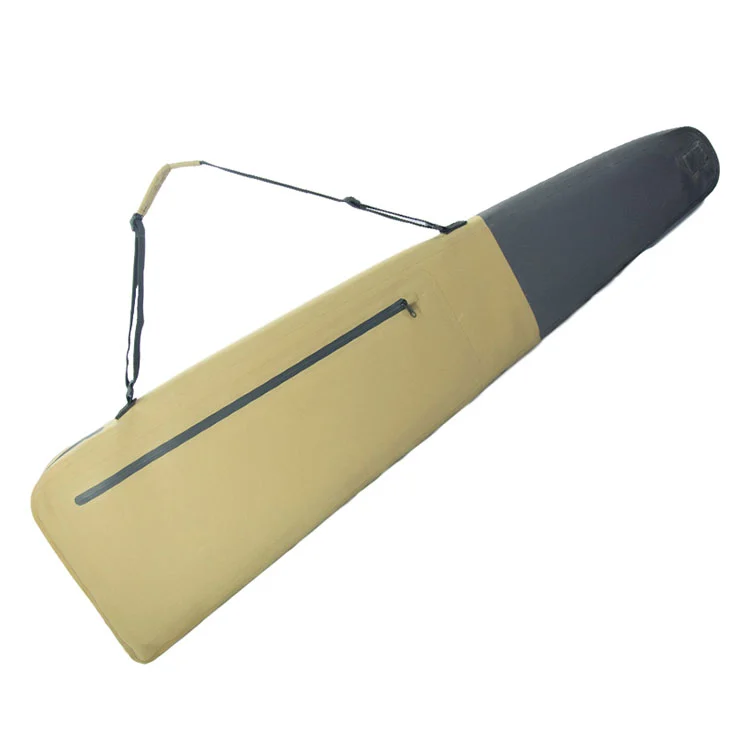
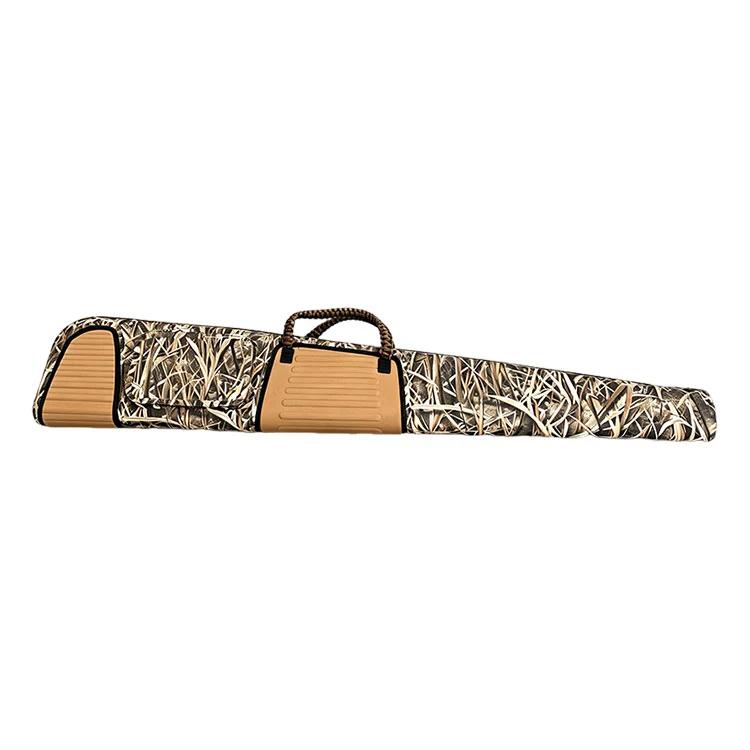
The Waterfowl Duck Hunting Waterproof Gun Case measures 122 × 30 × 8 cm at approximately 1.1 kg, rated IPX7 for immersion in one metre of water for thirty minutes. The 840D TPU laminated shell is RF welded as a one-piece body with a sealed zipper welded into the body seam, opening in approximately four seconds. Chamber clearance is set for long waterfowl guns with extended magazine tubes. Marsh and timber camouflage, khaki, black and army green. MOQ 300 pcs.

The Waterfowl Duck Hunting Waterproof Gun Case is specified for blind, pit and boat positions where it sits in standing water rather than under rain, which is an immersion condition rather than a rain-resistance one. An enlarged zip pull is specified for this discipline because the sealed closure has a firmer action than a standard zipper and is handled with wet gloved hands.

Opening time is approximately four seconds for the sealed zipper against approximately fifteen for a roll-top closure of the same length. Flooded pit floors, boat decks with bilge water and saturated marsh ground are immersion conditions rather than rain conditions, which is what the IPX7 rating covers.

Waterfowl Duck Hunting Waterproof Gun CaseWelded waterproof case in khaki and black
The Blind Floor Problem

Most weather ratings describe water arriving from above. A waterfowl case sits in it.

Situation What the Case Is Actually In Rating Needed
Flooded pit blind Standing water on the floor Immersion, not rain resistance
Boat deck with bilge water Water sloshing across the deck Immersion, sustained contact
Marsh edge set-down Saturated ground under the case Immersion
Layout blind in rain Rain plus ground water Both
Timber hole Water at variable depth Immersion

IPX7 covers all of these — immersion in one metre of water for thirty minutes — where a water-resistant rating covers none of them properly. The distinction matters more in waterfowl hunting than in any other discipline.

Four Seconds Against Fifteen

Between flights the gun is cased. When birds work the case has to open now, and a sealing method that takes fifteen seconds gets left open instead — which defeats the rating entirely.

Why this matters more here than elsewhere. A hunter who finds sealing slow stops sealing. The case then sits open on a wet floor, and the waterproof rating protects nothing. Fast sealing is what makes the rating operative rather than theoretical.

What the roll-top offers instead. Buoyancy. A roll-top retains air and floats with a gun inside, which matters in deep timber and open water where a case can go under and be lost. That is the trade, and it is a real one.

Which of the Two to Sell

Hunting Situation Recommended Reason
Pit and field blinds SL-E603 sealed zipper Water underfoot, no risk of losing the case
Boat deck, case stays aboard SL-E603 sealed zipper Fast access; deck water is immersion not loss
Flooded timber, wading deep SL-E302 roll-top A dropped case can be lost; buoyancy matters
Open water, rough conditions SL-E302 roll-top Overboard risk is real
Marsh edge and reedbeds Either Choose on access speed against buoyancy
Layout boat SL-E603 sealed zipper Confined; fast handling in a low position
The one thing to be clear about:this case does not float. Flotation on our roll-top range comes from retained air, and a zippered case is not sealed that way. Hunters wading deep timber or working open water where a dropped case could be lost should be sold the roll-top instead, whatever the access advantage.

Cold, Wet Hands

Waterfowl handling happens at first light in freezing conditions with wet gloves. A sealed zipper has a firmer action than a standard one because the slider is compressing the sealing faces, so pull size matters more here than on a conventional case.

An enlarged pull is close to essential for this discipline. Forcing a stiff sealed zipper with gloved hands is the main way the closure gets damaged, and the enlarged pull removes the reason to force it.

Salt, Silt, and the Rinse

Tidal marsh means salt and fine silt, and the sealed zipper is the one component that asks something back. Grit lodged between the sealing faces holds them apart and degrades the seal from that point along the track.

1. Rinse the zipper track with fresh water at the end of the day

2. Run the slider several times while rinsing so silt clears from between the faces

3. Hose the welded shell freely — there is no seam tape to lift

4. Dry the case open rather than sealed

5. Store zipped but not under packing tension

The welded shell tolerates the hose. The zipper is the part that needs the slider run through while rinsing, and that step is what carries the seal through a full season of tidal work.

Specification

Item Specification
Model SL-E603
Product type Fully welded waterproof rifle case
Size 122 × 30 × 8 cm (estimated)
Weight approx. 1.1 kg (estimated)
Internal capacity approx. 25–30 L
Shell material 840D TPU laminated fabric
Construction RF welded, one-piece body
Seam type High-frequency welded, heat-sealed edges
Waterproof rating IPX7
Closure Waterproof zipper
Accessory pocket 1 welded waterproof zippered pocket
Profile Rounded buttstock chamber, tapered barrel chamber
Carry Adjustable removable shoulder strap + reinforced handle
Colourways Khaki / Black / Army Green, two-tone
Firearm compatibility Hunting, bolt-action, tactical rifles; shotguns
MOQ 300 pcs
Sample lead time 7–10 days
Production lead time 30–45 days
OEM / ODM Supported
Origin China

Waterfowl Options

Option Notes
Enlarged zipper pull Close to essential for gloved cold-weather handling
Marsh or timber camouflage Welded panel printing or customer pattern
Colour split Khaki, black, and army green in any combination
Body length 48 in and 52 in quoted; sized for long waterfowl guns
Chamber clearance Set for extended magazine tubes at the muzzle end
Care card Multilingual; covers the rinse routine
Welded logo patch Applied without piercing the shell
Third-party inspection SGS or QIMA per production run

Production Sequence

6. Incoming fabric inspection and weldability trial

7. Welding parameter setup and first-article peel test

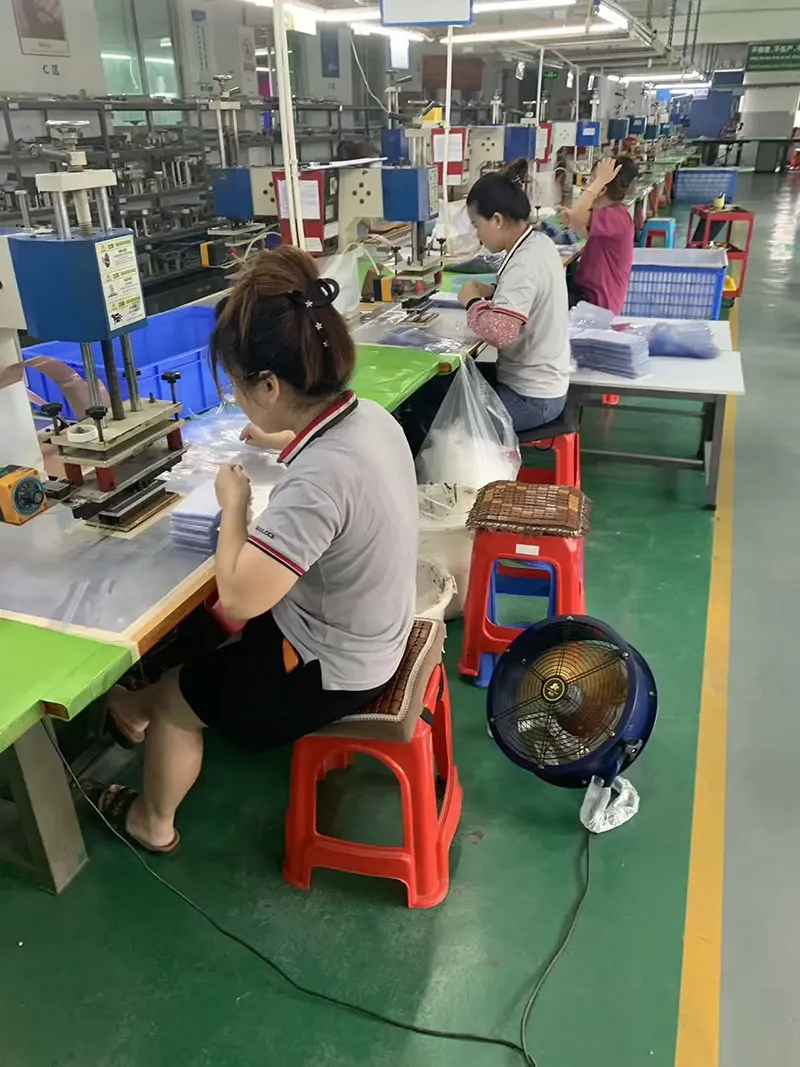
8. Precision cutting and RF welding of the chambered shell

9. Sealed zipper welded into the body seam

10. Welded pocket and anchor patch attachment

11. Enlarged pull fitting where specified

12. Immersion verification on a finished unit

13. Final inspection and export packing

Marsh Verification

Check Method Frequency
Welded seam integrity Full visual inspection 100%
Zipper-to-shell weld Full-run inspection of the join 100%
Muzzle-end clearance Test fit against a long waterfowl gun Sampling
Pull size Gloved operation check where specified Sampling
Immersion verification IPX7 condition on a finished unit Per approved sampling plan
Packaging Carton verification 100%

Field Trials

Trial Method Outcome
Standing water Case set in standing water for an extended period Interior dry; no ingress at seams or closure
IPX7 immersion Finished unit, 1 m for 30 minutes No ingress at any welded seam or the closure
Access time Timed opening against a roll-top of equal length approx. 4 seconds against approx. 15
Gloved operation Enlarged pull worked with wet winter gloves Gripped and run without forcing
Silt contamination Marsh silt in the track, rinsed with slider run Sealing restored after rinsing
Salt exposure Salt-water immersion, rinsed and dried No corrosion; welds unaffected
Hose-down Shell hosed and scrubbed after mud exposure Cleaned fully; no tape edge to lift

Where It Goes

Pit and field blinds with water underfoot; boat decks where the case stays aboard; layout boats needing fast handling in a confined low position; marsh edges and reedbeds; tidal and coastal goose hunting; and any waterfowl programme where the case is opened often enough that sealing speed decides whether it gets sealed at all.

Recent Work

Arkansas — pit blind operation

Pits flood, and the operation had been using water-resistant cases that sat in standing water on the floor. IPX7 was the actual requirement rather than a rain rating, and the fast closure meant guides sealed cases between flights instead of leaving them open. 400 pcs, 42 days.

Chesapeake Bay — layout boat guide

Working low in a layout boat with a case that has to open fast in a confined position ruled out a roll-top on handling grounds. Deck water was immersion rather than a loss risk, so the sealed zipper was the right trade. 250 pcs, 41 days.

Netherlands — flooded polder distributor

Some of their customers wade deep and some hunt fixed positions, so one product would not serve both. We supplied the sealed-zipper case for blind and boat customers and the roll-top for wading customers, with counter guidance on which to recommend. 350 pcs sealed, 200 pcs roll-top, 44 days.

What Buyers Told Us

“Fifteen seconds and hunters just leave it open. Four seconds and they actually seal it between flights.”

— Head Guide, Pit Blind Operation

“Deck water is immersion, not losing the case. Once you framed it that way the choice was obvious.”

— Owner, Layout Boat Guiding

“You gave our counter staff a rule for which case to recommend. That was worth more than the product spec.”

— Category Buyer, Distributor

1. Why does a Waterfowl Duck Hunting Waterproof Gun Case need an immersion rating?

Because it sits in water rather than under it. A flooded pit floor, a deck with bilge water, and saturated marsh ground are all immersion conditions, and a water-resistant rating covers none of them properly.

2. Why does opening speed matter for the rating?

A hunter who finds sealing slow stops sealing, and the case then sits open on a wet floor. Four seconds against fifteen is what makes the rating operative rather than theoretical.

3. Does this case float?

No. Flotation on our roll-top range comes from retained air, and a zippered case is not sealed that way. Hunters wading deep timber or working open water where a case could be lost should use the roll-top.

4. Which case should I sell to a flooded timber hunter?

The roll-top. A dropped case in deep timber can be lost, and buoyancy matters more there than access speed. The sealed zipper suits fixed positions and boats where the case stays put.

5. Is the enlarged pull necessary?

Close to it for this discipline. A sealed zipper has a firmer action because the slider compresses the sealing faces, and forcing a stiff closure with wet gloved hands is the main way it gets damaged.

6. What does salt and silt do to the closure?

Grit between the sealing faces holds them apart and degrades the seal along the track. Rinsing with the slider run through restores it, which is why the rinse routine matters on tidal ground.

7. Can I hose theWaterfowl Duck Hunting Waterproof Gun Case down?

The welded shell yes, freely — there is no seam tape to lift. The zipper needs the slider run through while rinsing rather than just a hose over the top.

8. Will it take a long waterfowl gun with an extended magazine?

Chamber clearance is set for extended magazine tubes at the muzzle end, and 48 in and 52 in bodies are both quoted. Confirm against the actual gun at sampling.

9. What camouflage is available?

Marsh and timber patterns applied to welded panels, plus khaki, black, and army green solid colourways in any two-tone combination. Customer pattern matching is available.

10. Does the accessory pocket stay dry in a flooded blind?

Yes. It is welded to the shell and sealed in its own right, and pocket isolation is verified by filling it and immersing the case.

11. How should it be stored after the season?

Rinsed, dried open, then stored zipped but not under packing tension and out of direct sunlight, so the sealing faces are not held compressed at one point for months.

12. What are the commercial terms?

MOQ 300 pcs, samples in 7–10 days, production in 30–45 days, quoted EXW, FOB, or CIF, with development covering pull size, camouflage, chamber clearance, length, care cards, and packaging.

Send Inquiry
Contact Info
Send your inquiry to Sealock, submit your requirements here. We provide prompt response support services for hunting equipment brands worldwide.
X
We use cookies to offer you a better browsing experience, analyze site traffic and personalize content. By using this site, you agree to our use of cookies. Privacy Policy
RejectAccept